

All About Gum Health
Manage, Heal & Prevent
Gingivitis, Bleeding Gums, Sore Gums, Periodontitis, Post surgical wounds, Mouth Sores and Oral Inflammation


Monday, November 16, 2026
Can Mouthwash Help With Gum Inflammation? Benefits, Causes & Care Tips
Red, swollen, or bleeding gums can be signs of inflammation that should not be ignored. While mouthwash may help support gum health and complement your daily oral hygiene routine, it is important to understand what causes gum inflammation and how to address it properly. Discover how mouthwash works, which ingredients to look for, and practical ways to maintain healthier gums.

Friday, November 13, 2026
What Causes Sensitive Gums? Common Reasons, Symptoms, and How to Care for Them
Sensitive gums can make everyday activities like brushing, flossing, and eating uncomfortable. From plaque buildup and gum inflammation to brushing too hard and hormonal changes, several factors can contribute to gum sensitivity. Understanding the possible causes can help you make better oral care choices and maintain healthier gums. Learn how to recognize the signs, manage discomfort, and support your gum health with a consistent oral hygiene routine.

Friday, November 13, 2026
Can Mouthwash Help With Gum Inflammation? Benefits, Best Practices, and What You Should Know
Gum inflammation can cause redness, swelling, tenderness, and bleeding, making everyday activities like brushing and flossing uncomfortable. While proper brushing and flossing remain essential, the right mouthwash may provide additional support for maintaining a healthier oral environment. Learn how mouthwash can help manage plaque, support gum health, and become part of a consistent oral hygiene routine.

Wednesday, November 11, 2026
How to Floss Properly for Healthier Gums: A Complete Guide
Flossing is an essential part of maintaining healthy teeth and gums, yet many people skip it or are unsure how to do it correctly. Proper flossing helps remove plaque, food particles, and bacteria from areas that toothbrushes cannot easily reach. Discover the correct flossing technique, common mistakes to avoid, and simple daily habits that can help support healthier gums and better oral hygiene.

Tuesday, November 10, 2026
Why Does Bad Breath Keep Coming Back? Common Causes and How to Stop It
Does bad breath return even after brushing your teeth or using mouthwash? Persistent bad breath can be caused by bacteria on the tongue, plaque buildup, gum problems, dry mouth, and other underlying factors. Learn why bad breath keeps coming back, how to identify its possible causes, and what daily habits can help you maintain fresher breath and better oral health.
Monday, November 09, 2026
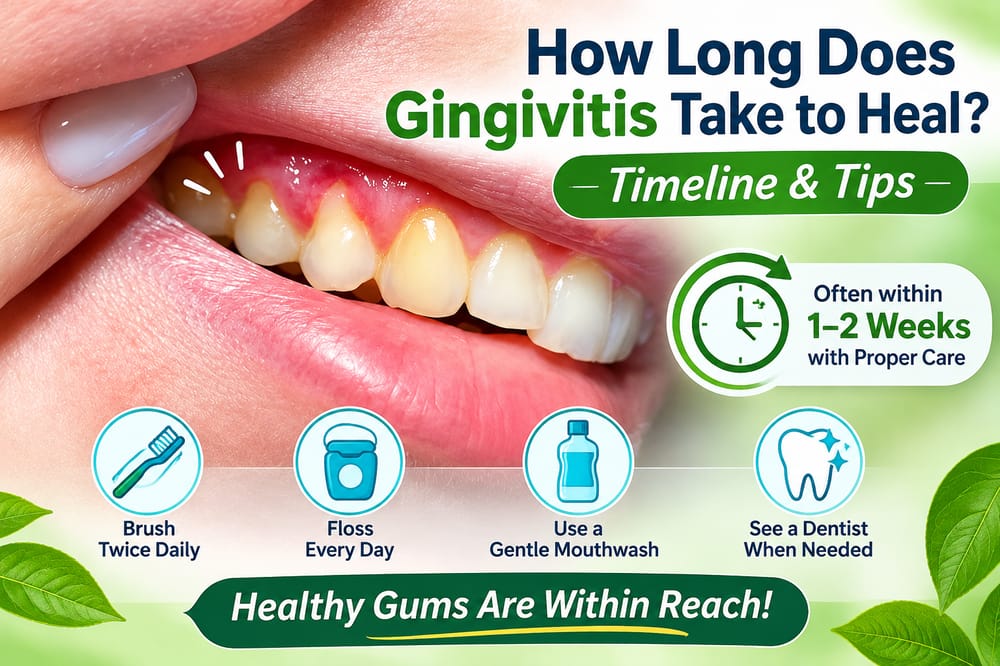
How Long Does Gingivitis Take to Heal? Recovery Timeline, Causes, and Care Tips
Gingivitis is an early form of gum disease that can cause redness, swelling, tenderness, and bleeding gums. The good news is that gingivitis is often reversible with proper oral hygiene and professional dental care. Discover how long it takes for inflamed gums to recover, what affects the healing process, and which daily habits can help support healthier gums.
Friday, November 06, 2026
Is Alcohol-Free Mouthwash Better for Your Gums? Benefits, Differences, and What to Look For
Choosing the right mouthwash can make a difference in your daily oral hygiene routine, especially if you experience sensitive, irritated, or inflamed gums. Alcohol-free mouthwash offers an alternative for people who prefer a gentler-feeling rinse without alcohol. Learn how it compares with alcohol-based mouthwash, what benefits it may offer, and how to choose an oral rinse that supports healthier gums.

Thursday, November 05, 2026
What Causes Plaque to Build Up on Your Teeth? Understanding the Causes and How to Prevent It
Dental plaque is a sticky film of bacteria that constantly forms on your teeth. Although plaque is a natural part of the mouth, allowing it to accumulate can contribute to tooth decay, gum inflammation, and other oral health problems. Learn what causes plaque buildup, how everyday habits influence its formation, and practical ways to keep your teeth and gums healthy.

Wednesday, November 04, 2026
Can You Reverse Gingivitis? What You Should Know About Restoring Your Gum Health
Gingivitis is an early stage of gum disease that causes redness, swelling, tenderness, and bleeding around the teeth. The encouraging news is that gingivitis is generally reversible with consistent oral hygiene, effective plaque removal, and appropriate professional dental care. Discover what causes gingivitis, how to recognize its early signs, and what steps you can take to support healthier gums and prevent further gum problems.

Tuesday, November 03, 2026
Should You Use Mouthwash Before or After Brushing? Understanding the Best Time for Your Oral Care Routine
Knowing when to use mouthwash can make a difference in your daily oral hygiene routine. While mouthwash can provide additional benefits for fresh breath, plaque control, and gum care, using it immediately after brushing may wash away some of the protective fluoride left behind by toothpaste. Discover the best time to use mouthwash, how to choose the right formula, and how to build a routine that supports healthier teeth and gums.

Tuesday, November 03, 2026
Why Are My Gums Red and Swollen? Common Causes, Warning Signs, and How to Care for Them
Red and swollen gums are common signs of irritation or inflammation, often associated with plaque buildup, gingivitis, or other oral health concerns. Although these symptoms may seem minor at first, understanding their causes can help you take the right steps toward healthier gums. Learn why gum inflammation happens, how to manage it through proper daily oral care, and when to seek professional dental advice.

Friday, October 30, 2026
Gingivitis vs. Periodontitis: What's the Difference? Signs, Causes, and Treatment
Gingivitis and periodontitis are two stages of gum disease, but they are not the same. While gingivitis is an early form of gum inflammation that can usually be reversed with proper care, periodontitis is a more advanced condition that can damage the tissues and bone supporting your teeth. Understanding their differences, recognizing the warning signs, and maintaining a consistent oral care routine can help you protect your gums and preserve your smile.

Thursday, October 29, 2026
How to Care for Sensitive Gums: Gentle Daily Habits for a Healthier Smile
Sensitive gums can make brushing, flossing, and eating uncomfortable, but understanding the possible causes can help you choose the right oral care routine. From using a soft-bristled toothbrush to selecting suitable oral care products, small daily changes can help support healthier gums and reduce irritation. Discover practical ways to care for sensitive gums and learn when it is important to seek professional dental advice.

Wednesday, October 28, 2026
Can Mouthwash Help Reduce Plaque? Benefits, Ingredients, and Oral Care Tips
Mouthwash can help reduce plaque buildup when the formula contains appropriate active ingredients, but it cannot replace brushing and flossing. Understanding how oral rinses work, which ingredients to look for, and how to use them correctly can help you build a routine that supports healthier teeth and gums. Discover how mouthwash fits into effective plaque control and when professional dental care may be necessary.
Tuesday, October 27, 2026
Is Bleeding When Flossing Normal? Causes, Prevention, and When to See a Dentist
Noticing blood when you floss can be concerning, especially if you are trying to maintain a healthy smile. Occasional bleeding may occur when you are new to flossing or using too much pressure, but recurring bleeding can also signal gum inflammation or another oral health concern. Learn why gums bleed during flossing, how to clean between your teeth correctly, and what you can do to support healthier gums.
Monday, November 16, 2026
Can Mouthwash Help With Gum Inflammation? Benefits, Causes & Care Tips
Red, swollen, or bleeding gums can be signs of inflammation that should not be ignored. While mouthwash may help support gum health and complement your daily oral hygiene routine, it is important to understand what causes gum inflammation and how to address it properly. Discover how mouthwash works, which ingredients to look for, and practical ways to maintain healthier gums.
Friday, November 13, 2026
What Causes Sensitive Gums? Common Reasons, Symptoms, and How to Care for Them
Sensitive gums can make everyday activities like brushing, flossing, and eating uncomfortable. From plaque buildup and gum inflammation to brushing too hard and hormonal changes, several factors can contribute to gum sensitivity. Understanding the possible causes can help you make better oral care choices and maintain healthier gums. Learn how to recognize the signs, manage discomfort, and support your gum health with a consistent oral hygiene routine.
Friday, November 13, 2026
Can Mouthwash Help With Gum Inflammation? Benefits, Best Practices, and What You Should Know
Gum inflammation can cause redness, swelling, tenderness, and bleeding, making everyday activities like brushing and flossing uncomfortable. While proper brushing and flossing remain essential, the right mouthwash may provide additional support for maintaining a healthier oral environment. Learn how mouthwash can help manage plaque, support gum health, and become part of a consistent oral hygiene routine.
Wednesday, November 11, 2026
How to Floss Properly for Healthier Gums: A Complete Guide
Flossing is an essential part of maintaining healthy teeth and gums, yet many people skip it or are unsure how to do it correctly. Proper flossing helps remove plaque, food particles, and bacteria from areas that toothbrushes cannot easily reach. Discover the correct flossing technique, common mistakes to avoid, and simple daily habits that can help support healthier gums and better oral hygiene.
Tuesday, November 10, 2026
Why Does Bad Breath Keep Coming Back? Common Causes and How to Stop It
Does bad breath return even after brushing your teeth or using mouthwash? Persistent bad breath can be caused by bacteria on the tongue, plaque buildup, gum problems, dry mouth, and other underlying factors. Learn why bad breath keeps coming back, how to identify its possible causes, and what daily habits can help you maintain fresher breath and better oral health.
Monday, November 09, 2026
How Long Does Gingivitis Take to Heal? Recovery Timeline, Causes, and Care Tips
Gingivitis is an early form of gum disease that can cause redness, swelling, tenderness, and bleeding gums. The good news is that gingivitis is often reversible with proper oral hygiene and professional dental care. Discover how long it takes for inflamed gums to recover, what affects the healing process, and which daily habits can help support healthier gums.
Friday, November 06, 2026
Is Alcohol-Free Mouthwash Better for Your Gums? Benefits, Differences, and What to Look For
Choosing the right mouthwash can make a difference in your daily oral hygiene routine, especially if you experience sensitive, irritated, or inflamed gums. Alcohol-free mouthwash offers an alternative for people who prefer a gentler-feeling rinse without alcohol. Learn how it compares with alcohol-based mouthwash, what benefits it may offer, and how to choose an oral rinse that supports healthier gums.
Thursday, November 05, 2026
What Causes Plaque to Build Up on Your Teeth? Understanding the Causes and How to Prevent It
Dental plaque is a sticky film of bacteria that constantly forms on your teeth. Although plaque is a natural part of the mouth, allowing it to accumulate can contribute to tooth decay, gum inflammation, and other oral health problems. Learn what causes plaque buildup, how everyday habits influence its formation, and practical ways to keep your teeth and gums healthy.
Wednesday, November 04, 2026
Can You Reverse Gingivitis? What You Should Know About Restoring Your Gum Health
Gingivitis is an early stage of gum disease that causes redness, swelling, tenderness, and bleeding around the teeth. The encouraging news is that gingivitis is generally reversible with consistent oral hygiene, effective plaque removal, and appropriate professional dental care. Discover what causes gingivitis, how to recognize its early signs, and what steps you can take to support healthier gums and prevent further gum problems.
Tuesday, November 03, 2026
Should You Use Mouthwash Before or After Brushing? Understanding the Best Time for Your Oral Care Routine
Knowing when to use mouthwash can make a difference in your daily oral hygiene routine. While mouthwash can provide additional benefits for fresh breath, plaque control, and gum care, using it immediately after brushing may wash away some of the protective fluoride left behind by toothpaste. Discover the best time to use mouthwash, how to choose the right formula, and how to build a routine that supports healthier teeth and gums.
Tuesday, November 03, 2026
Why Are My Gums Red and Swollen? Common Causes, Warning Signs, and How to Care for Them
Red and swollen gums are common signs of irritation or inflammation, often associated with plaque buildup, gingivitis, or other oral health concerns. Although these symptoms may seem minor at first, understanding their causes can help you take the right steps toward healthier gums. Learn why gum inflammation happens, how to manage it through proper daily oral care, and when to seek professional dental advice.
Friday, October 30, 2026
Gingivitis vs. Periodontitis: What's the Difference? Signs, Causes, and Treatment
Gingivitis and periodontitis are two stages of gum disease, but they are not the same. While gingivitis is an early form of gum inflammation that can usually be reversed with proper care, periodontitis is a more advanced condition that can damage the tissues and bone supporting your teeth. Understanding their differences, recognizing the warning signs, and maintaining a consistent oral care routine can help you protect your gums and preserve your smile.
Thursday, October 29, 2026
How to Care for Sensitive Gums: Gentle Daily Habits for a Healthier Smile
Sensitive gums can make brushing, flossing, and eating uncomfortable, but understanding the possible causes can help you choose the right oral care routine. From using a soft-bristled toothbrush to selecting suitable oral care products, small daily changes can help support healthier gums and reduce irritation. Discover practical ways to care for sensitive gums and learn when it is important to seek professional dental advice.
Wednesday, October 28, 2026
Can Mouthwash Help Reduce Plaque? Benefits, Ingredients, and Oral Care Tips
Mouthwash can help reduce plaque buildup when the formula contains appropriate active ingredients, but it cannot replace brushing and flossing. Understanding how oral rinses work, which ingredients to look for, and how to use them correctly can help you build a routine that supports healthier teeth and gums. Discover how mouthwash fits into effective plaque control and when professional dental care may be necessary.
Tuesday, October 27, 2026
Is Bleeding When Flossing Normal? Causes, Prevention, and When to See a Dentist
Noticing blood when you floss can be concerning, especially if you are trying to maintain a healthy smile. Occasional bleeding may occur when you are new to flossing or using too much pressure, but recurring bleeding can also signal gum inflammation or another oral health concern. Learn why gums bleed during flossing, how to clean between your teeth correctly, and what you can do to support healthier gums.
