Get Ready to
Enjoy PeriActive
Launching Feb 2023
Sign up now to get an alert when the product is available and get a special 10% off!
SiSign up now to get an alert when the product is available and get a special 10% off!

Manage, Heal & Prevent
Gingivitis, Bleeding Gums, Sore Gums, Periodontitis, Post surgical wounds, Mouth Sores and Oral Inflammation
Monday, October 26, 2026
What Should You Look for in a Gum Health Rinse? A Guide to Choosing the Right Oral Rinse
Choosing the right gum health rinse can be an important part of maintaining a healthy mouth, especially if you experience occasional gum tenderness, bleeding, or irritation. The best choice depends on your oral health needs, the ingredients in the formula, and how well the product fits into your daily routine. Learn what to look for in a gum health rinse, why alcohol-free formulas may appeal to some people, and how an oral rinse can complement brushing, flossing, and professional dental care.

What Should You Look for in a Gum Health Rinse?
When it comes to oral hygiene, brushing and flossing usually get the most attention. However, many adults also include an oral rinse in their daily routine to help maintain fresh breath and support their gum health.
If you have experienced bleeding gums, mild tenderness, or irritation around your teeth, you may have wondered whether a gum health rinse could help. With so many oral care products available, choosing one can feel confusing. Some formulas focus on fresh breath, while others are designed to support gum care, help control plaque, or provide additional benefits depending on their ingredients.
The important thing to remember is that not every mouthwash serves the same purpose. A product that makes your mouth feel fresh may not address the factors contributing to gum inflammation.
So, what should you look for in a gum health rinse?
The answer begins with understanding your oral health needs, reviewing the ingredients, considering whether the formula is comfortable to use, and choosing a product that complements a consistent oral hygiene routine.
In this guide, we will explore the features to consider when choosing an oral rinse, explain how rinses fit into everyday gum care, and discuss when professional dental advice may be necessary.
What Is a Gum Health Rinse?
A gum health rinse is an oral care product intended to complement regular brushing and cleaning between your teeth. Depending on its ingredients, it may help control certain oral bacteria, reduce plaque accumulation, freshen breath, or support specific gum health goals.
Some oral rinses are designed primarily for cosmetic purposes, such as temporarily improving breath freshness. Others contain active ingredients intended to provide therapeutic benefits, such as helping reduce plaque or gingivitis when used as directed.
The distinction matters because a fresh taste does not necessarily mean a product is helping control the plaque responsible for gum inflammation.
Dental plaque is a sticky film of bacteria that continually forms on your teeth. When it accumulates around the gumline, it can irritate the surrounding tissues and contribute to gingivitis, an early form of gum disease.
Common signs of gingivitis include red or swollen gums, tenderness, and bleeding during brushing or flossing.
An appropriate oral rinse may be a useful addition to your oral care routine, but it cannot replace brushing, interdental cleaning, or professional removal of hardened plaque, known as tartar.
1. Look for a Formula Designed to Support Gum Health
One of the first things to consider when choosing a gum health rinse is its intended purpose.
Some mouthwashes are formulated mainly to freshen breath. Others contain ingredients designed to help reduce plaque, gingivitis, or other specific oral health concerns.
If your main goal is gum care, read the product label carefully. Look for clear information about what the rinse is intended to do, which ingredients it contains, and how it should be used.
For example, certain active ingredients have evidence supporting their use in controlling plaque or gingivitis. Chlorhexidine is one example, but it is generally used for specific dental indications under professional guidance because it can cause side effects, including tooth staining and changes in taste.
Other formulas may be intended for everyday use as part of a general oral hygiene routine.
Do not assume that every product labeled as a gum health rinse provides the same benefits. The ingredients, concentrations, directions, and supporting evidence all matter.
If you have persistent bleeding or swollen gums, ask your dentist which type of rinse, if any, is appropriate for your situation.
2. Consider Whether an Alcohol-Free Formula Is Right for You
Alcohol content is another factor worth considering, particularly if you experience oral dryness or sensitivity.
Some oral rinses contain alcohol, while others are formulated without it. Alcohol-containing rinses may be comfortable for some people, but others find that they cause stinging or feel unpleasant when their mouths are already dry or irritated.
An alcohol-free mouthwash may offer a more comfortable experience for people who prefer to avoid that sensation.
However, alcohol-free does not automatically mean a product is more effective, safer for every individual, or better at controlling gum disease. The benefits of a rinse depend on its complete formulation and intended use.
When comparing products, consider whether the formula contains ingredients appropriate for your oral health goals and whether you can use it comfortably and consistently.
If you have a dry mouth, sensitive oral tissues, or a history of irritation from certain products, discuss suitable options with your dentist.
Why Some Adults Prefer Alcohol-Free Oral Rinses
Adults may choose an alcohol-free formula for several reasons:
It avoids the burning sensation that some people experience with alcohol-containing rinses.
It may feel more comfortable for people who are sensitive to certain oral care products.
It can be a practical option for people who prefer to avoid alcohol in their daily oral hygiene products.
It may fit more comfortably into a routine focused on maintaining oral moisture, depending on the other ingredients.
These preferences do not guarantee that an alcohol-free rinse will resolve dry mouth or gum inflammation. If you experience persistent dryness or irritation, it is important to identify the underlying cause.
3. Read the Ingredients List Carefully
The ingredient list provides useful information about what an oral rinse can and cannot do.
Rather than choosing a product based solely on its flavor, packaging, or marketing language, look at the formula and consider its intended benefits.
Ingredients That May Help Control Plaque and Gingivitis
Certain active ingredients have evidence supporting their use in managing plaque or gingivitis.
For example, cetylpyridinium chloride, often abbreviated as CPC, is an antiseptic ingredient used in some oral rinses to help control oral bacteria and plaque.
Chlorhexidine is another antiseptic that may be recommended for specific gum conditions. Because it can cause staining and other side effects, it should be used according to professional advice and product directions.
Essential oils are also used in some formulations intended to help control plaque and gingivitis. Their effects depend on the specific formulation and concentration.
These ingredients are not interchangeable, and not every rinse contains them. When comparing products, look for evidence supporting the specific formula rather than assuming that a single ingredient guarantees a particular result.
Fluoride for Additional Tooth Protection
If preventing tooth decay is also a priority, consider whether a fluoride-containing rinse is appropriate for your needs.
Fluoride helps strengthen tooth enamel and supports the prevention of cavities. However, fluoride's main purpose in oral care is protecting teeth from decay rather than directly treating gum inflammation.
Your dentist can help you decide whether a fluoride rinse would be beneficial based on your cavity risk and existing oral care routine.
Ingredients for Comfort and Freshness
Some oral rinses contain ingredients intended to improve taste, freshen breath, or make the formula more comfortable to use.
These features may improve the overall experience, but they should not be confused with evidence of plaque control or treatment for gum disease.
If you are prone to irritation, check the full ingredient list and discontinue a product if it consistently causes discomfort. Ask a dental professional about alternatives if the reaction persists.
4. Choose a Rinse That Fits Your Daily Oral Care Routine
The most suitable gum health rinse is one that matches your needs and can be used correctly alongside your existing oral hygiene habits.
A mouthwash should complement brushing and interdental cleaning, not become a substitute for them.
Brush twice daily for two minutes using fluoride toothpaste and a soft-bristled toothbrush. Clean between your teeth every day using floss, interdental brushes, or another suitable tool.
If you choose to add an oral rinse, follow the instructions on its label. Some products are intended for daily use, while others are designed for short-term use or specific dental conditions.
Timing can also matter. For example, rinsing immediately after brushing may wash away concentrated fluoride left by toothpaste. Depending on the product and your dentist's recommendations, using the rinse at a different time of day may be appropriate.
A simple, consistent routine is generally more useful than using several products without a clear purpose.
5. Consider Your Specific Gum Health Concerns
Before purchasing a gum health rinse, think about the problem you are trying to address.
If Your Gums Bleed During Brushing
Bleeding gums can be a sign of gingivitis, but they can also result from brushing too aggressively or other conditions.
Choose an oral care routine that supports effective plaque removal. If you are considering a rinse intended to help control plaque or gingivitis, review the ingredients and discuss persistent bleeding with your dentist.
Do not rely on mouthwash alone to address recurring bleeding.
If You Experience Gum Tenderness or Irritation
If your gums feel sensitive, you may prefer a formula that does not cause additional stinging or discomfort.
An alcohol-free rinse may be worth considering, but check the other ingredients as well. Alcohol is not the only ingredient that can cause irritation.
Persistent tenderness, localized swelling, or significant pain should be assessed by a dental professional.
If Bad Breath Is Your Main Concern
Some oral rinses help freshen breath temporarily, while others contain ingredients intended to help control odor-producing bacteria.
However, persistent bad breath can have several causes, including tongue coating, dry mouth, plaque accumulation, gum disease, dental decay, and certain throat or medical conditions.
If your breath remains unpleasant despite consistent oral hygiene, consider a dental examination instead of simply switching to stronger-flavored products.
If You Have a Dry Mouth
Look for a product specifically intended for dry-mouth comfort if that is your primary concern.
An alcohol-free formula may be preferable for some people, but the overall formulation matters. Certain products can still cause discomfort, and a mouth rinse may not address the reason your mouth is dry.
If dryness continues, speak with your dentist or healthcare professional about possible causes and suitable options.
6. Look for Clear Directions and Appropriate Safety Information
A trustworthy oral care product should provide understandable instructions for use and explain any important precautions.
Before using a gum health rinse, check how much to use, how often to rinse, whether the product should be diluted, and whether there are age restrictions or other warnings.
Never swallow a mouthwash unless the product is specifically designed for that purpose. Keep oral care products away from young children and supervise their use when appropriate.
Pay particular attention to products intended for short-term or prescription use. Some therapeutic rinses are not meant to be used indefinitely without professional guidance.
If you are pregnant, have a medical condition, take medications that affect your mouth, or have a history of reactions to oral care ingredients, ask your dentist or healthcare professional for individualized advice when needed.
Choosing a product with clear directions helps you understand how it should fit into your routine and when you may need additional guidance.
7. Do Not Expect a Mouth Rinse to Replace Professional Dental Care
One of the most important things to understand about gum health rinses is that they have limitations.
Plaque can often be removed at home with effective brushing and interdental cleaning. However, when plaque hardens into tartar, ordinary brushing and flossing cannot remove it effectively.
A mouth rinse cannot scrape away tartar or restore bone and supporting tissue that have been damaged by advanced gum disease.
If you have persistent bleeding, swelling, gum recession, pus around a tooth, or loose teeth, a dental examination is important. Your dentist can determine whether you need a professional cleaning or treatment for gingivitis or periodontitis.
For many people, the best approach combines daily oral hygiene, an appropriate rinse when useful, and regular professional care.
How PeriActive Oral Rinse Fits Into a Gum Health Routine
For adults who prefer a gentle, alcohol-free oral care option, PeriActive Oral Rinse is one product to explore when considering products intended to support gum health.
An alcohol-free formula may appeal to people who find alcohol-containing rinses uncomfortable or who want an alternative for their daily oral hygiene routine.
When evaluating PeriActive or any other oral rinse, consider the product's ingredients, intended benefits, directions, and suitability for your individual needs. Avoid assuming that a product will treat every cause of gum inflammation or persistent bad breath.
An oral rinse is best viewed as one component of a broader oral care routine that includes brushing, cleaning between your teeth, and regular dental checkups.
To learn more about PeriActive Oral Rinse, visit www.getperiactive.com. You can review the available product information and decide whether it aligns with your preferences and daily oral care goals.
If you have ongoing gum symptoms, a dentist can help you determine whether an oral rinse is appropriate and whether additional care is necessary.
How to Use a Gum Health Rinse Effectively
Once you have selected a suitable oral rinse, using it according to the directions is essential.
Start by reading the label carefully. Use the recommended amount, rinse for the instructed duration, and avoid swallowing the product.
Continue brushing twice daily and cleaning between your teeth every day. If the rinse is intended for a particular condition or is prescribed by your dentist, follow the recommended schedule and duration.
Do not increase the amount or frequency in an attempt to achieve faster results. Using more product than directed does not necessarily provide additional benefits and may increase the chance of irritation.
Pay attention to how your mouth responds. If a rinse causes persistent burning, swelling, or irritation, stop using it and seek professional advice, especially if symptoms are significant.
Remember that the goal is to support a consistent, effective oral hygiene routine rather than to find a single product that does everything.
When Should You See a Dentist About Gum Problems?
Although an oral rinse can be helpful for some people, persistent gum symptoms should not be ignored.
Arrange a dental appointment if you notice recurring bleeding during brushing, swollen or tender gums, persistent bad breath, gum recession, or deposits that appear hardened around your teeth.
Seek prompt dental care if you experience severe gum pain, pus around a tooth, significant swelling, or a tooth that feels loose. Facial swelling or fever alongside dental symptoms may indicate a more serious infection requiring urgent assessment.
If swelling makes breathing or swallowing difficult, seek emergency medical care immediately.
A dentist can evaluate the condition of your gums, check for plaque and tartar, and recommend an appropriate treatment plan. They can also help you determine whether a therapeutic rinse, an everyday oral rinse, or another approach best suits your needs.
Frequently Asked Questions About Gum Health Rinses
What is the best type of mouthwash for gum health?
There is no single best rinse for everyone. The right choice depends on your oral health needs, ingredients, and whether you need help with plaque, gingivitis, dry mouth, or breath freshness. A dentist can recommend a suitable product if you have ongoing gum problems.
Is alcohol-free mouthwash better for your gums?
Alcohol-free mouthwash may be more comfortable for people who experience dryness or stinging with alcohol-containing products. However, alcohol-free does not automatically mean more effective at controlling plaque or treating gum disease. The full formulation matters.
Can a gum health rinse stop bleeding gums?
Some rinses contain ingredients that help control plaque and gingivitis, which may support improved gum health when used appropriately. However, bleeding gums can have several causes, and a rinse alone may not resolve the problem. Persistent bleeding should be evaluated by a dentist.
Should I use mouthwash every day?
Some oral rinses are intended for daily use, while others are designed for specific conditions or short-term treatment. Follow the product label and your dentist's recommendations rather than assuming that every rinse should be used every day.
Should I use mouthwash before or after brushing?
Follow the product directions and your dentist's advice. Some people use an oral rinse at a different time of day from brushing to avoid washing away the concentrated fluoride left by toothpaste.
Can mouthwash remove tartar?
No. Mouthwash cannot remove hardened tartar. A dentist or dental hygienist must remove tartar through professional cleaning.
How long does it take to notice benefits from a gum health rinse?
The time needed to notice a difference depends on the product, its intended purpose, and your oral health. Breath-freshening effects may be temporary, while improvements in plaque-related gum inflammation depend on consistent plaque control and whether professional treatment is needed.
Final Thoughts: Choose a Rinse That Supports Your Gum Health
Choosing a gum health rinse involves more than selecting a pleasant flavor or the product with the most appealing packaging. Consider the formula, ingredients, intended benefits, alcohol content, safety directions, and how the product fits into your daily routine.
If you experience dryness or irritation with certain mouthwashes, an alcohol-free formula may be worth considering. If your goal is to support gum health, look for clear information about the product's intended benefits and the evidence supporting its ingredients.
PeriActive Oral Rinse is one alcohol-free option to explore as part of a consistent oral hygiene routine. Visit www.getperiactive.com to learn more about the product and review its available information.
Most importantly, remember that no rinse replaces brushing, daily cleaning between teeth, or professional dental care. If you have recurring bleeding, swelling, tenderness, or persistent bad breath, seek dental advice to identify the cause.
With an appropriate oral care routine and professional guidance when needed, you can make informed choices that support healthier gums and a cleaner, more comfortable mouth.

Healthy Gums in 60 Days
Heals gingivitis, bleeding gums, gum disease,
periodontitis, post-surgical wounds, mouth sores
$36(2 month Supply)


See other posts like this one:

Monday, November 16, 2026
Can Mouthwash Help With Gum Inflammation? Benefits, Causes & Care Tips

Friday, November 13, 2026
What Causes Sensitive Gums? Common Reasons, Symptoms, and How to Care for Them

Friday, November 13, 2026
Can Mouthwash Help With Gum Inflammation? Benefits, Best Practices, and What You Should Know

Tuesday, November 10, 2026
Why Does Bad Breath Keep Coming Back? Common Causes and How to Stop It
Monday, November 09, 2026
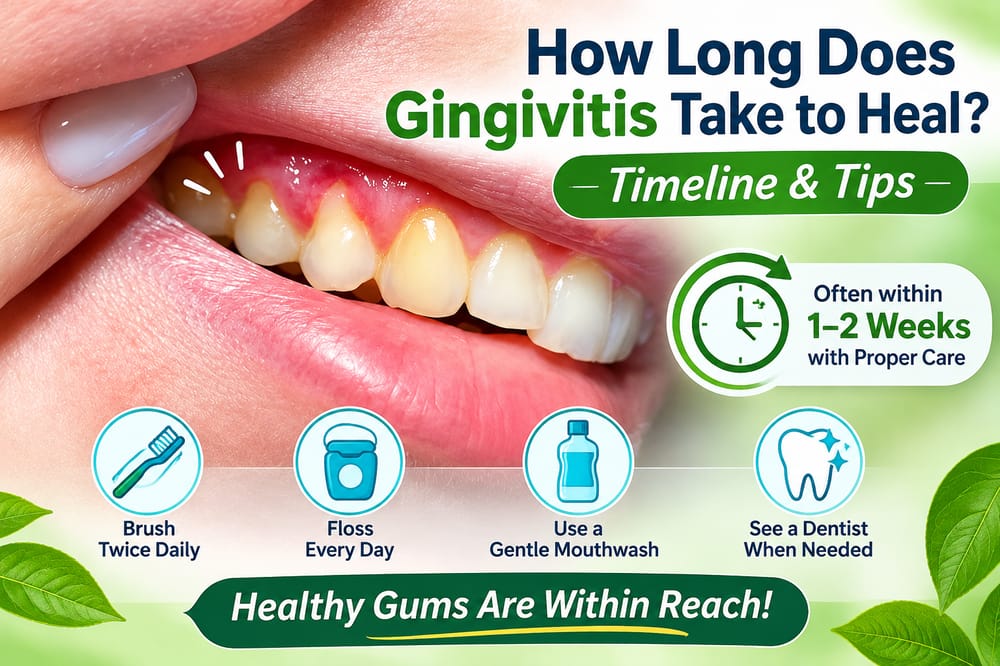
How Long Does Gingivitis Take to Heal? Recovery Timeline, Causes, and Care Tips
Friday, November 06, 2026
Is Alcohol-Free Mouthwash Better for Your Gums? Benefits, Differences, and What to Look For

Thursday, November 05, 2026
What Causes Plaque to Build Up on Your Teeth? Understanding the Causes and How to Prevent It

Wednesday, November 04, 2026
Can You Reverse Gingivitis? What You Should Know About Restoring Your Gum Health

Tuesday, November 03, 2026
Should You Use Mouthwash Before or After Brushing? Understanding the Best Time for Your Oral Care Routine

Tuesday, November 03, 2026
Why Are My Gums Red and Swollen? Common Causes, Warning Signs, and How to Care for Them

Friday, October 30, 2026
Gingivitis vs. Periodontitis: What's the Difference? Signs, Causes, and Treatment

Thursday, October 29, 2026
How to Care for Sensitive Gums: Gentle Daily Habits for a Healthier Smile

Wednesday, October 28, 2026
Can Mouthwash Help Reduce Plaque? Benefits, Ingredients, and Oral Care Tips

Tuesday, October 27, 2026
