Get Ready to
Enjoy PeriActive
Launching Feb 2023
Sign up now to get an alert when the product is available and get a special 10% off!
SiSign up now to get an alert when the product is available and get a special 10% off!

Manage, Heal & Prevent
Gingivitis, Bleeding Gums, Sore Gums, Periodontitis, Post surgical wounds, Mouth Sores and Oral Inflammation
Friday, May 30, 2025
How Gum Disease Can Lead to Tooth Loss and What You Can Do to Prevent It
When you think about tooth loss, you might imagine accidents or decay as the main culprits. But the reality is that gum disease (periodontal disease) is one of the leading causes of tooth loss in adults worldwide. In fact, untreated gum disease is responsible for more tooth loss than cavities or trauma combined. Understanding how gum disease damages your teeth and gums—and taking steps to prevent it—can help you keep your natural smile for life.

How Does Gum Disease Cause Tooth Loss?
Gum disease starts quietly but can progress aggressively if left untreated. Here’s a breakdown of how it leads to tooth loss:
Plaque buildup and inflammation – Bacteria accumulate on your teeth and gums, triggering inflammation. This causes your gums to become red, swollen, and bleed easily.
Gum recession and pocket formation – Inflamed gums begin to pull away from the teeth, creating pockets where more bacteria can hide and multiply.
Destruction of bone and connective tissue – The body’s immune response to infection causes breakdown of the bone and connective tissue that anchor your teeth in place.
Tooth loosening and eventual loss – Without sufficient bone and tissue support, teeth become loose and may eventually fall out or need to be extracted.
This progression can be slow and painless, which is why many people don’t realize they have a problem until it’s too late.
Warning Signs You Should Never Ignore
If you notice any of these symptoms, it’s time to take your gum health seriously:
Bleeding gums during or after brushing/flossing
Persistent bad breath or bad taste
Gums that look red, swollen, or puffy
Gums that are pulling away from your teeth (gum recession)
Loose or shifting teeth
Changes in how your teeth fit together when you bite
Ignoring these signs increases your risk of tooth loss and more complex dental treatments later.
Prevention: Your Best Defense Against Tooth Loss
Fortunately, tooth loss caused by gum disease is largely preventable with proper care and early intervention. Here’s how to protect your gums and teeth:
Practice excellent oral hygiene: Brush twice a day and floss daily to remove plaque before it hardens into tartar.
Use an anti-inflammatory mouth rinse: PeriActive Oral Rinse helps reduce gum inflammation, bleeding, and supports healing naturally.
Schedule regular dental visits: Professional cleanings and exams help catch early signs of gum disease before serious damage occurs.
Avoid smoking and tobacco: Tobacco use significantly increases your risk of gum disease and tooth loss.
Maintain a healthy diet: Foods rich in vitamins C and D help support gum and bone health.
The Role of PeriActive in Preventing Tooth Loss
PeriActive Oral Rinse is a trusted tool recommended by dental professionals worldwide. It’s specially formulated to:
Reduce gum inflammation and bleeding
Promote natural gum tissue healing
Help prevent progression from gingivitis to periodontitis
Support overall gum health without harsh chemicals or alcohol
Incorporating PeriActive into your daily routine can strengthen your gums, protect against tooth loss, and keep your smile healthy.
Don’t Let Gum Disease Steal Your Smile
Tooth loss due to gum disease isn’t inevitable. With awareness, regular care, and the right products, you can stop gum disease in its tracks and preserve your natural teeth for years to come.
Take control of your gum health today. Use PeriActive Oral Rinse twice daily and schedule regular dental checkups to stay ahead of gum disease.
Learn more and order PeriActive at www.getperiactive.com. Protect your smile now!
.
.

Healthy Gums in 60 Days
Heals gingivitis, bleeding gums, gum disease,
periodontitis, post-surgical wounds, mouth sores
$36(2 month Supply)


See other posts like this one:

Monday, November 16, 2026
Can Mouthwash Help With Gum Inflammation? Benefits, Causes & Care Tips

Friday, November 13, 2026
What Causes Sensitive Gums? Common Reasons, Symptoms, and How to Care for Them

Friday, November 13, 2026
Can Mouthwash Help With Gum Inflammation? Benefits, Best Practices, and What You Should Know

Tuesday, November 10, 2026
Why Does Bad Breath Keep Coming Back? Common Causes and How to Stop It
Monday, November 09, 2026
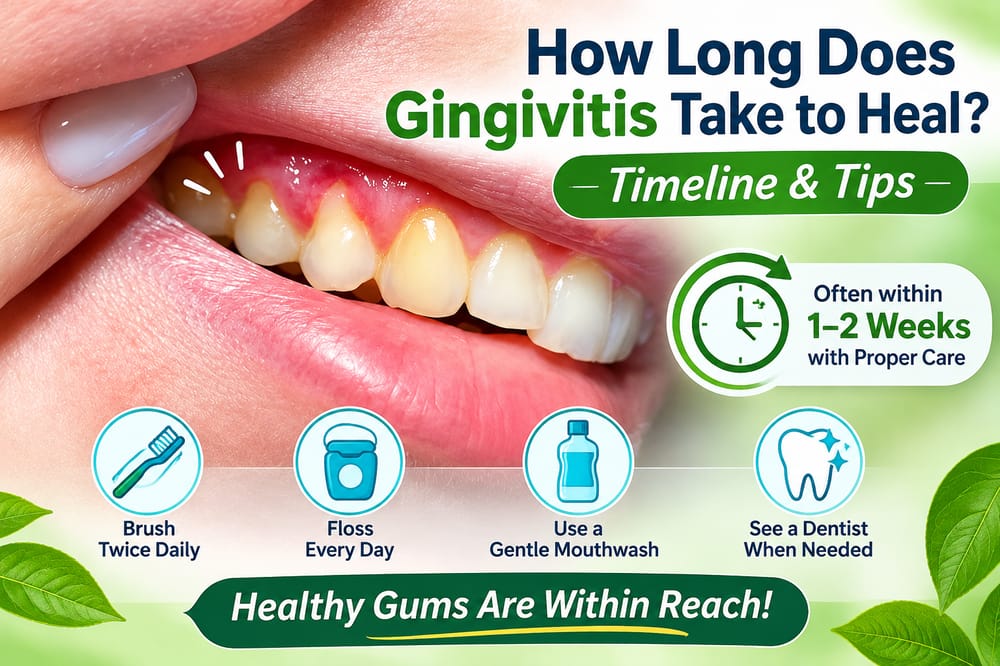
How Long Does Gingivitis Take to Heal? Recovery Timeline, Causes, and Care Tips
Friday, November 06, 2026
Is Alcohol-Free Mouthwash Better for Your Gums? Benefits, Differences, and What to Look For

Thursday, November 05, 2026
What Causes Plaque to Build Up on Your Teeth? Understanding the Causes and How to Prevent It

Wednesday, November 04, 2026
Can You Reverse Gingivitis? What You Should Know About Restoring Your Gum Health

Tuesday, November 03, 2026
Should You Use Mouthwash Before or After Brushing? Understanding the Best Time for Your Oral Care Routine

Tuesday, November 03, 2026
Why Are My Gums Red and Swollen? Common Causes, Warning Signs, and How to Care for Them

Friday, October 30, 2026
Gingivitis vs. Periodontitis: What's the Difference? Signs, Causes, and Treatment

Thursday, October 29, 2026
How to Care for Sensitive Gums: Gentle Daily Habits for a Healthier Smile

Wednesday, October 28, 2026
Can Mouthwash Help Reduce Plaque? Benefits, Ingredients, and Oral Care Tips

Tuesday, October 27, 2026
