Get Ready to
Enjoy PeriActive
Launching Feb 2023
Sign up now to get an alert when the product is available and get a special 10% off!
SiSign up now to get an alert when the product is available and get a special 10% off!

Manage, Heal & Prevent
Gingivitis, Bleeding Gums, Sore Gums, Periodontitis, Post surgical wounds, Mouth Sores and Oral Inflammation
Friday, November 13, 2026
What Causes Sensitive Gums? Common Reasons, Symptoms, and How to Care for Them
Sensitive gums can make everyday activities like brushing, flossing, and eating uncomfortable. From plaque buildup and gum inflammation to brushing too hard and hormonal changes, several factors can contribute to gum sensitivity. Understanding the possible causes can help you make better oral care choices and maintain healthier gums. Learn how to recognize the signs, manage discomfort, and support your gum health with a consistent oral hygiene routine.

Understanding Gum Sensitivity
Have you ever experienced tenderness when brushing your teeth, discomfort while eating, or a slight stinging sensation along your gumline? These may be signs of sensitive gums.
Healthy gums play an important role in protecting the tissues that support your teeth. However, when gum tissue becomes irritated, inflamed, or affected by other oral health concerns, it may become more sensitive than usual.
Gum sensitivity can range from mild discomfort to persistent tenderness. Some people notice it only when brushing or flossing, while others experience irritation throughout the day.
Although occasional sensitivity may result from brushing too aggressively or using irritating oral care products, recurring symptoms should not be ignored.
Understanding what causes sensitive gums is the first step toward choosing the right oral care routine and knowing when to seek professional dental advice.
What Causes Sensitive Gums?
There are several reasons why your gums may become sensitive. Some are related to everyday oral hygiene habits, while others may indicate an underlying dental concern.
Here are some of the most common causes:
1. Plaque Buildup Along the Gumline
One of the most common causes of gum sensitivity is plaque accumulation.
Plaque is a sticky film of bacteria that constantly forms on your teeth. When it is not removed regularly through brushing and flossing, it can accumulate along the gumline and irritate the surrounding tissue.
Over time, this irritation may lead to gingivitis, an early stage of gum disease.
Common signs include:
- Red or swollen gums.
- Tenderness around the gumline.
- Bleeding when brushing or flossing.
- Persistent bad breath.
Maintaining proper oral hygiene helps remove plaque and reduce the factors that contribute to gum irritation.
2. Brushing Too Hard
Brushing your teeth is essential for maintaining oral health, but using excessive pressure can do more harm than good.
Aggressive brushing, especially with a hard-bristled toothbrush, may irritate gum tissue and contribute to gum recession.
When gums recede, more of the tooth surface becomes exposed. This can make your teeth and surrounding areas more sensitive to hot, cold, sweet, or acidic foods and drinks.
To help prevent irritation, use a soft-bristled toothbrush and gentle circular movements. There is no need to scrub your teeth forcefully to keep them clean.
3. Gingivitis and Gum Inflammation
Gingivitis occurs when plaque buildup irritates the gums, causing inflammation.
When gums become inflamed, they may feel tender, swollen, and uncomfortable during regular oral hygiene activities.
You may notice that your gums bleed when brushing or flossing, even when you are not applying much pressure.
The good news is that gingivitis is generally reversible with appropriate oral hygiene and professional dental care.
However, if inflammation is left untreated, it may progress to periodontitis, a more serious condition that affects the tissues and bone supporting your teeth.
4. Gum Recession
Gum recession happens when gum tissue gradually pulls away from the teeth, exposing more of the tooth surface.
This can happen for several reasons, including aggressive brushing, periodontal disease, genetics, and other dental factors.
When the roots of your teeth become exposed, they may be more sensitive because root surfaces do not have the same protective enamel covering as the crowns of your teeth.
You may experience discomfort when consuming:
- Cold beverages.
- Hot drinks.
- Sweet foods.
- Acidic foods.
If you notice that your teeth appear longer than before or your gumline is changing, consult your dentist for an examination.
5. Hormonal Changes
Hormonal fluctuations can also affect gum sensitivity.
Changes in hormone levels during puberty, pregnancy, menstruation, and menopause may increase blood flow to gum tissues and make them more responsive to irritation.
For example, pregnancy gingivitis may cause gums to become swollen, tender, or more likely to bleed.
During these periods, maintaining consistent oral hygiene and attending regular dental appointments are especially important.
6. Using Irritating Oral Care Products
Some oral care products may cause irritation or sensitivity in certain individuals.
Ingredients such as strong flavoring agents, certain detergents, or other components in toothpaste and mouthwash may not be suitable for everyone's mouth.
If you notice burning, redness, or discomfort after using a particular product, consider discussing an alternative with your dentist.
A gentle, alcohol-free mouthwash may be a more comfortable option for people who experience irritation from some traditional rinses.
However, remember that alcohol-free products can still contain ingredients that may trigger sensitivity in certain individuals.
7. Vitamin Deficiencies and Nutritional Factors
Your overall nutrition plays a role in maintaining healthy gum tissue.
Vitamin C, for example, is important for collagen production and normal tissue maintenance. Severe vitamin C deficiency can cause swollen, bleeding gums and other symptoms.
Other nutritional deficiencies may also affect oral health.
Eating a balanced diet that includes fruits, vegetables, whole grains, and protein sources helps support overall health.
If you experience unexplained gum problems alongside other symptoms of nutritional deficiency, consult a healthcare professional rather than relying on supplements without an assessment.
8. Smoking and Tobacco Use
Smoking and tobacco use can negatively affect gum health.
Tobacco may reduce blood flow to gum tissues, interfere with healing, and increase the risk of periodontal disease.
It can also make it harder to recognize early signs of gum inflammation because bleeding may be less noticeable in some smokers.
Avoiding tobacco products is an important step toward protecting your gums and maintaining long-term oral health.
Common Signs and Symptoms of Sensitive Gums
Gum sensitivity does not always look the same for everyone. Some people experience mild tenderness, while others notice more visible signs of irritation.
Watch out for these common symptoms:
- Tenderness: Your gums feel uncomfortable when touched or during brushing.
- Bleeding: You notice blood when brushing or flossing.
- Redness: Your gums appear redder than usual.
- Swelling: Gum tissue looks puffy or enlarged.
- Discomfort while eating: Certain foods, especially hot, cold, or acidic options, may cause irritation.
- Persistent bad breath: Bacteria and plaque buildup may contribute to unpleasant breath.
If these symptoms continue or become more severe, a dental examination can help identify the underlying cause.
How to Care for Sensitive Gums
The right oral hygiene habits can help reduce irritation and support healthier gums.
Here are some practical ways to care for sensitive gum tissue.
1. Use a Soft-Bristled Toothbrush
Choose a toothbrush with soft bristles to help clean your teeth without unnecessarily irritating your gums.
Brush gently for two minutes, twice a day. Pay attention to the gumline, where plaque commonly accumulates.
Avoid using excessive pressure or scrubbing back and forth aggressively.
2. Floss Gently Every Day
Flossing helps remove food particles and plaque from between your teeth, areas that toothbrush bristles cannot always reach.
Use gentle movements and avoid snapping the floss into your gums.
If you experience bleeding when flossing, do not automatically assume you should stop. Persistent bleeding should be evaluated by a dentist.
3. Choose a Gentle Mouthwash
Mouthwash can be a helpful addition to your oral hygiene routine.
Certain therapeutic mouthwashes contain ingredients that help reduce plaque and gingivitis, while other formulas are designed to support everyday oral cleanliness.
If you have sensitive gums, consider a gentle, alcohol-free formula that provides a comfortable rinsing experience.
Mouthwash should complement brushing and flossing, not replace them.
4. Avoid Foods That Trigger Irritation
If your gums feel particularly sensitive, pay attention to foods that make the discomfort worse.
Very spicy, acidic, or extremely hot foods may temporarily aggravate irritated tissues.
You may also want to limit sugary snacks and drinks because frequent sugar exposure can contribute to plaque-related dental problems.
5. Stay Hydrated
Drinking enough water helps maintain normal saliva production.
Saliva helps wash away food particles, supports the mouth's natural defenses, and helps maintain a balanced oral environment.
If you frequently experience dry mouth, discuss possible causes with your dentist or healthcare professional.
6. Schedule Regular Dental Checkups
Regular dental visits allow your dentist to identify early signs of gum disease, check for gum recession, and remove hardened plaque.
Professional advice is especially important if your gum sensitivity does not improve despite changes to your oral hygiene routine.
Can Mouthwash Help With Sensitive Gums?
Yes, certain mouthwashes can help support oral hygiene and gum health, particularly when sensitivity is associated with plaque buildup and gum inflammation.
However, the benefits depend on the ingredients and the reason behind your gum sensitivity.
For example, therapeutic mouthwashes containing appropriate active ingredients may help reduce plaque and gingivitis. Gentle, alcohol-free rinses may also be preferable for individuals who find alcohol-containing formulas uncomfortable.
A suitable mouthwash can provide several benefits:
- Supports oral cleanliness: Helps complement brushing and flossing.
- Helps manage plaque: Certain therapeutic formulas help reduce plaque accumulation.
- Supports gum health: Some ingredients help manage gingivitis when used as directed.
- Provides a comfortable rinsing experience: Alcohol-free options may be suitable for people who prefer a milder formula.
Keep in mind that mouthwash cannot repair gum recession, reverse advanced periodontal damage, or treat every cause of sensitivity.
If you experience persistent discomfort, consult your dentist to determine the most appropriate treatment.
Why Choose a Gentle, Alcohol-Free Mouthwash for Everyday Gum Care?
When your gums are sensitive, choosing oral care products that feel comfortable can make maintaining a consistent routine easier.
Some people find traditional alcohol-containing mouthwashes too strong, especially when their gums are already irritated.
A gentle, alcohol-free mouthwash offers an alternative for individuals who prefer a milder rinsing experience.
PeriActive Oral Rinse is a gentle, alcohol-free, dentist-trusted option designed to complement everyday oral hygiene.
Incorporating a suitable mouth rinse into your daily routine can help support oral cleanliness while complementing regular brushing and flossing.
For individuals who want to give their gums consistent attention, choosing a mouthwash that fits comfortably into their routine can be a helpful step.
Discover PeriActive Advanced Gum Care at www.getperiactive.com.
When Should You See a Dentist About Sensitive Gums?
Occasional gum discomfort may improve when you adjust your oral hygiene habits. However, persistent or worsening sensitivity should not be ignored.
Consider scheduling a dental appointment if you experience:
- Gum bleeding that continues or happens frequently.
- Persistent redness, swelling, or tenderness.
- Gums that appear to be pulling away from your teeth.
- Persistent bad breath or an unpleasant taste.
- Pain when chewing.
- Loose teeth or changes in how your teeth fit together.
If you develop significant swelling, pus, fever, or severe pain, seek prompt dental care.
A dentist can examine your gums, identify the cause of the sensitivity, and recommend appropriate treatment.
Frequently Asked Questions
1. Why are my gums sensitive when I brush my teeth?
Your gums may become sensitive because of plaque buildup, gingivitis, brushing too aggressively, or gum recession. Using a soft-bristled toothbrush and gentle brushing techniques may help reduce irritation. If the sensitivity continues, consult your dentist.
2. Can sensitive gums go back to normal?
Yes, depending on the cause. Gum sensitivity caused by mild irritation or gingivitis may improve with proper oral hygiene and professional dental care. However, gum recession and advanced periodontal damage may require additional treatment and cannot always be reversed.
3. Is alcohol-free mouthwash better for sensitive gums?
Alcohol-free mouthwash may be more comfortable for people who experience dryness or irritation from alcohol-containing products. However, its effectiveness in supporting gum health depends on the ingredients and formulation.
4. Does gingivitis cause sensitive gums?
Yes. Gingivitis can cause gums to become swollen, red, tender, and more likely to bleed. It commonly develops when plaque accumulates along the gumline. Proper brushing, flossing, and professional dental care can help manage the condition.
5. Should I stop flossing if my gums are sensitive?
Not necessarily. Flossing helps remove plaque and food particles between teeth. Use gentle techniques and avoid forcing the floss into your gums. If bleeding or discomfort persists, consult your dentist.
6. Can certain foods make gum sensitivity worse?
Yes. Very spicy, acidic, or extremely hot foods may aggravate already-irritated gum tissue. Paying attention to food triggers can help you manage temporary discomfort while addressing its underlying cause.
7. How can I prevent sensitive gums?
Maintain a consistent oral hygiene routine by brushing twice daily with a soft-bristled toothbrush, flossing every day, using an appropriate mouthwash, eating a balanced diet, avoiding tobacco, and scheduling regular dental checkups.
Final Thoughts: Give Your Sensitive Gums the Gentle Care They Need
Sensitive gums can make simple daily activities uncomfortable, but understanding their possible causes can help you take better care of your oral health.
From plaque buildup and gingivitis to aggressive brushing and hormonal changes, several factors may contribute to gum sensitivity. Identifying the underlying cause is essential to choosing the right approach.
Remember that healthy gums require more than just brushing. Gentle flossing, appropriate oral care products, a balanced diet, and regular dental visits all contribute to maintaining a healthier mouth.
If you are looking for a gentle addition to your everyday oral hygiene routine, consider PeriActive Oral Rinse.
Give your gums consistent care and support your journey toward a healthier smile.
Discover PeriActive Advanced Gum Care today at www.getperiactive.com.

Healthy Gums in 60 Days
Heals gingivitis, bleeding gums, gum disease,
periodontitis, post-surgical wounds, mouth sores
$36(2 month Supply)


See other posts like this one:

Friday, November 13, 2026
Can Mouthwash Help With Gum Inflammation? Benefits, Best Practices, and What You Should Know

Tuesday, November 10, 2026
Why Does Bad Breath Keep Coming Back? Common Causes and How to Stop It
Monday, November 09, 2026
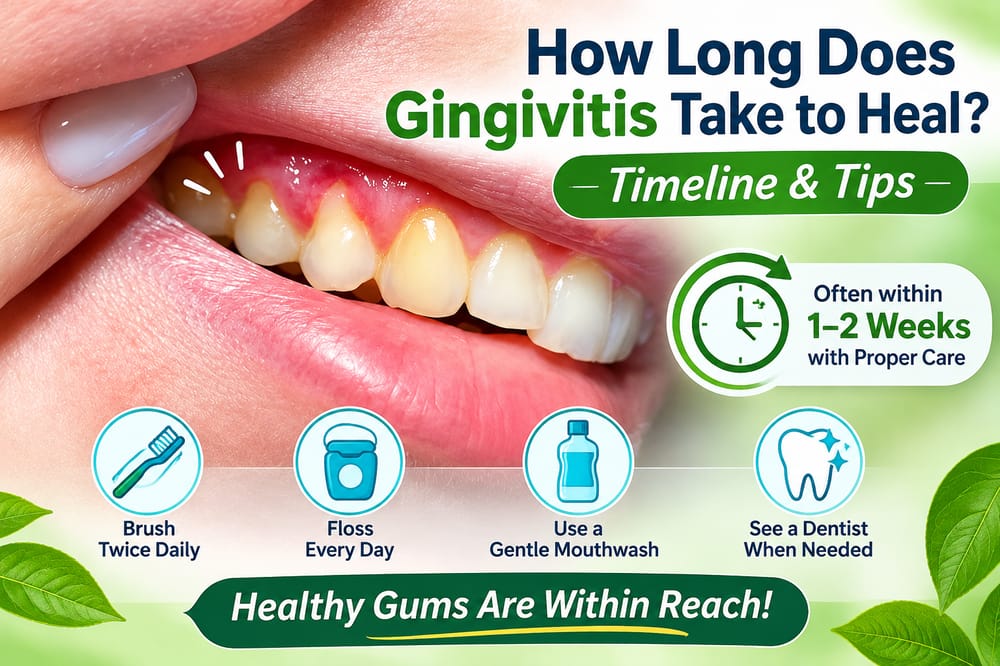
How Long Does Gingivitis Take to Heal? Recovery Timeline, Causes, and Care Tips

Friday, November 06, 2026
Is Alcohol-Free Mouthwash Better for Your Gums? Benefits, Differences, and What to Look For

Thursday, November 05, 2026
What Causes Plaque to Build Up on Your Teeth? Understanding the Causes and How to Prevent It

Wednesday, November 04, 2026
Can You Reverse Gingivitis? What You Should Know About Restoring Your Gum Health

Tuesday, November 03, 2026
Should You Use Mouthwash Before or After Brushing? Understanding the Best Time for Your Oral Care Routine

Tuesday, November 03, 2026
Why Are My Gums Red and Swollen? Common Causes, Warning Signs, and How to Care for Them

Friday, October 30, 2026
Gingivitis vs. Periodontitis: What's the Difference? Signs, Causes, and Treatment

Thursday, October 29, 2026
How to Care for Sensitive Gums: Gentle Daily Habits for a Healthier Smile

Wednesday, October 28, 2026
Can Mouthwash Help Reduce Plaque? Benefits, Ingredients, and Oral Care Tips

Tuesday, October 27, 2026
Is Bleeding When Flossing Normal? Causes, Prevention, and When to See a Dentist

Monday, October 26, 2026
What Should You Look for in a Gum Health Rinse? A Guide to Choosing the Right Oral Rinse
Friday, October 23, 2026
