Get Ready to
Enjoy PeriActive
Launching Feb 2023
Sign up now to get an alert when the product is available and get a special 10% off!
SiSign up now to get an alert when the product is available and get a special 10% off!

Manage, Heal & Prevent
Gingivitis, Bleeding Gums, Sore Gums, Periodontitis, Post surgical wounds, Mouth Sores and Oral Inflammation
Monday, August 18, 2025
Gum Disease Prevention: Essential Daily Habits
Gum disease is one of the most common oral health issues worldwide. While it often starts silently, it can progress to painful, irreversible damage if ignored. The good news? Gum disease is largely preventable with proper daily habits. By integrating clinically proven solutions like PeriActive Oral Rinse into your routine, you can protect your gums, teeth, and overall health.
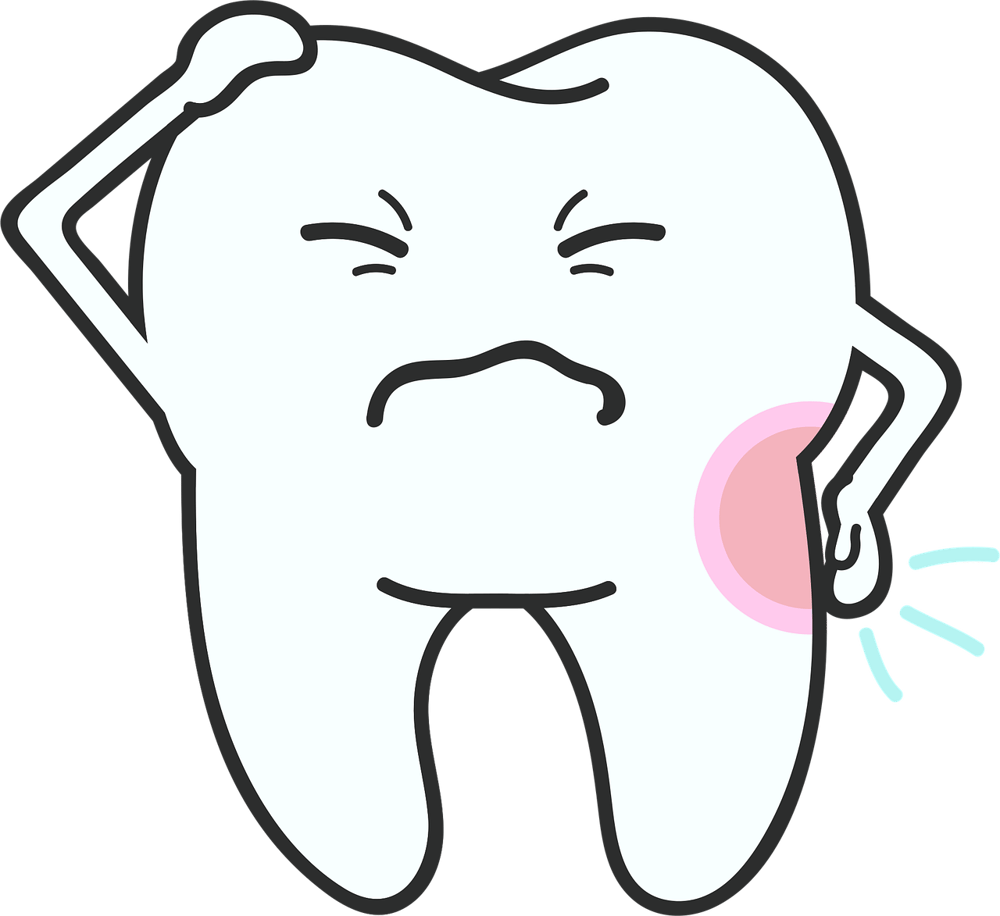
Understanding Gum Disease
Gum disease typically progresses in two stages:
1. Gingivitis:
Mild inflammation of the gums
Red, swollen, or bleeding gums during brushing/flossing
Usually reversible with consistent oral care
2. Periodontitis:
Advanced gum disease affecting bone and tissue
Can lead to tooth loss
Linked to systemic health issues like heart disease and diabetes
Essential Daily Habits for Gum Disease Prevention
1. Brush Properly Twice Daily
Use a soft-bristled toothbrush and fluoride toothpaste. Brush in gentle, circular motions for at least two minutes. Focus on the gum line, where plaque often accumulates.
2. Floss Daily
Flossing removes plaque and food particles from between teeth that brushing can’t reach. Consistent flossing reduces inflammation and prevents gingivitis.
3. Rinse with PeriActive Oral Rinse
PeriActive Oral Rinse is clinically proven to reduce gum inflammation and bleeding. Its gentle formula targets harmful bacteria without alcohol or harsh chemicals, making it safe for daily use.
4. Eat a Balanced Diet
Foods rich in vitamins C, D, and calcium support gum health. Avoid excessive sugar, which contributes to plaque buildup.
5. Stay Hydrated
Water helps wash away food particles and maintains saliva flow, which naturally protects gums and teeth.
6. Avoid Tobacco Products
Smoking restricts blood flow to the gums, delaying healing and increasing the risk of gum disease.
7. Schedule Regular Dental Checkups
Professional cleanings remove hardened plaque (tartar) and detect early signs of gum disease.
Signs You May Already Have Gum Disease
Persistent bad breath
Receding gums
Loose teeth
Gums that bleed easily
If you notice any of these symptoms, incorporating PeriActive Oral Rinse and visiting your dentist promptly can help reverse damage and prevent progression: www.getperiactive.com
Preventing gum disease doesn’t have to be complicated. By following these essential daily habits and using a clinically proven rinse like PeriActive, you can protect your gums and maintain a healthy smile for life.
.
.
.
.

Healthy Gums in 60 Days
Heals gingivitis, bleeding gums, gum disease,
periodontitis, post-surgical wounds, mouth sores
$36(2 month Supply)


See other posts like this one:



Sunday, February 08, 2026
Bleeding Gums Without Pain: Should You Worry and What Should You Do?

Saturday, February 07, 2026
Daily Habits That Calm Inflamed Gums and Support Healthier Smiles

Friday, February 06, 2026
Inflammation vs Infection in the Gums: What’s the Difference and Why It MattersInflammation vs Infection in the Gums: What’s the Difference and Why It Matters

Thursday, February 05, 2026
