Get Ready to
Enjoy PeriActive
Launching Feb 2023
Sign up now to get an alert when the product is available and get a special 10% off!
SiSign up now to get an alert when the product is available and get a special 10% off!

Manage, Heal & Prevent
Gingivitis, Bleeding Gums, Sore Gums, Periodontitis, Post surgical wounds, Mouth Sores and Oral Inflammation
Thursday, October 22, 2026
How Does Plaque Affect Your Gums? Causes, Warning Signs, and Prevention
Dental plaque is a sticky film of bacteria that builds up on your teeth and can irritate your gums when it is not removed regularly. Over time, plaque buildup can lead to gingivitis and may contribute to more serious gum disease if left untreated. Discover how plaque affects your gums, which warning signs to watch for, and how consistent oral hygiene can help protect your smile.
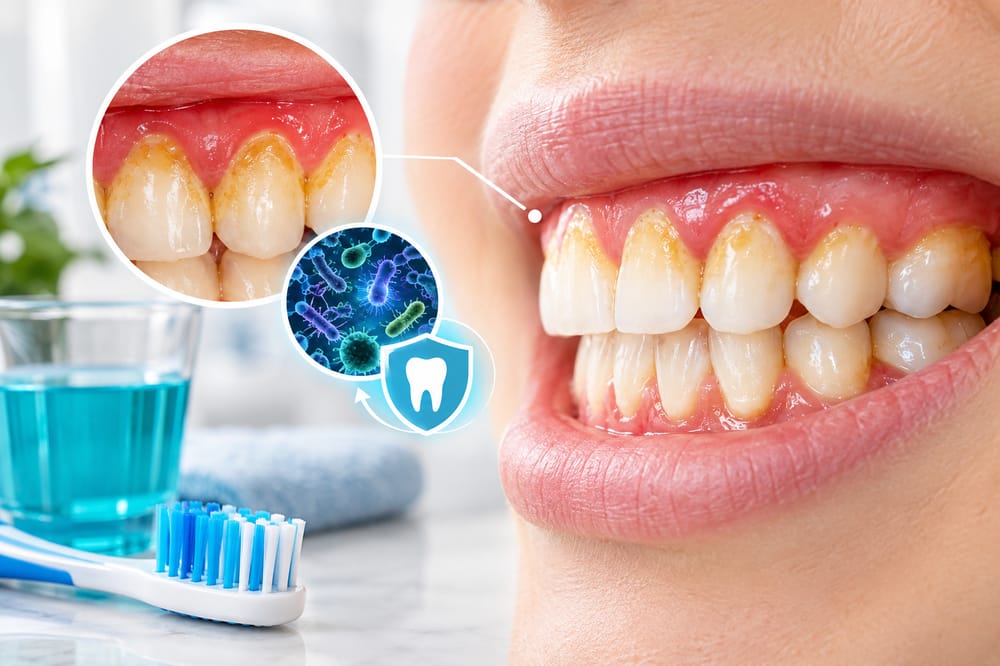
How Does Plaque Affect Your Gums?
Have you ever noticed your gums bleeding when you brush your teeth, looking red around the gumline, or feeling swollen even when you maintain your daily routine? These changes may be connected to dental plaque, one of the most common contributors to gum inflammation.
Plaque forms naturally in the mouth throughout the day. Although it may be difficult to see, this sticky film contains bacteria that can accumulate on your teeth, especially along the gumline and between teeth. When plaque is not removed effectively, it can irritate the surrounding gum tissue and increase the risk of gum disease.
The good news is that consistent oral hygiene can help control plaque buildup and support healthier gums. Understanding how plaque develops, recognizing the early warning signs, and knowing when to seek professional dental care can make a meaningful difference in your long-term oral health.
In this guide, we will explain how plaque affects your gums, why it should not be ignored, and which everyday habits can help keep your mouth clean and comfortable.
What Is Dental Plaque?
Dental plaque is a soft, sticky film that continuously forms on the surfaces of your teeth. It contains bacteria, saliva components, and other substances that collect in the mouth.
After you eat or drink, bacteria in plaque can use available sugars and other carbohydrates to produce acids. These acids can contribute to tooth enamel damage, while the bacteria and their byproducts can irritate the gums when plaque accumulates around the gumline.
Plaque can develop even if your teeth look clean. It often collects in areas that are easy to miss, including between teeth, behind the back molars, around dental appliances, and where the teeth meet the gums.
Because plaque continually forms, removing it requires consistent daily care rather than occasional deep cleaning at home.
Brushing twice daily with fluoride toothpaste and cleaning between your teeth every day are important ways to control plaque. Regular dental checkups also help identify areas where plaque buildup may be contributing to gum inflammation.
How Does Plaque Affect Your Gums?
Plaque affects your gums primarily by triggering an inflammatory response. When bacteria accumulate along the gumline, your body's immune system responds to the irritation. This can cause the gums to become swollen, tender, or more likely to bleed.
The effects can develop gradually, which is why many people do not recognize the problem immediately.
1. Plaque Causes Gum Inflammation
When plaque remains on the teeth, bacteria within the biofilm can irritate the surrounding gum tissue. The gums may become redder, swollen, or tender.
This inflammation is commonly associated with gingivitis, an early form of gum disease.
You may notice that the edges of your gums look puffy or feel uncomfortable when brushing. In some cases, the inflammation is mild enough that you may not notice any symptoms.
Removing plaque regularly helps control the source of irritation. However, if plaque has hardened into tartar, professional cleaning may be necessary.
2. Plaque Can Cause Bleeding Gums
One of the most recognizable signs of plaque-related gum inflammation is bleeding during brushing or flossing.
Inflamed gums can become more fragile and bleed more easily when touched. You might notice a little blood on your toothbrush, in the sink, or when cleaning between your teeth.
Although brushing too hard can also cause bleeding, recurring bleeding should not automatically be considered normal.
If your gums bleed regularly, continue cleaning gently with a soft-bristled toothbrush and appropriate interdental tools. Arrange a dental appointment if the bleeding persists so that a professional can identify the cause.
3. Plaque Contributes to Gingivitis
Gingivitis develops when plaque accumulation causes inflammation of the gums. Common symptoms include redness, swelling, tenderness, and bleeding.
At this stage, the tissues supporting the teeth have not experienced the permanent attachment and bone damage associated with periodontitis.
The encouraging news is that plaque-related gingivitis is generally reversible with effective daily plaque removal and professional dental care when needed.
Ignoring the symptoms, however, can allow the condition to continue. If plaque remains and the disease progresses, more serious damage to the supporting structures of the teeth may occur.
4. Plaque Can Harden Into Tartar
When plaque is not removed effectively, minerals in saliva can cause it to harden into tartar, also known as dental calculus.
Tartar can develop above or below the gumline. Its rough surface makes it easier for additional plaque to accumulate, potentially maintaining irritation around the gums.
Unlike soft plaque, tartar cannot be removed effectively with ordinary brushing or flossing. A dentist or dental hygienist must remove it using professional instruments.
This is one reason routine dental cleanings are important, even when you brush and floss consistently at home.
Never attempt to scrape tartar off your teeth with sharp tools. Doing so can injure your gums or damage your teeth.
5. Untreated Plaque Can Contribute to Periodontitis
If plaque-related gum inflammation persists and the disease progresses, it can develop into periodontitis, a more advanced form of gum disease.
Periodontitis affects the tissues and bone that support your teeth. As it progresses, pockets may develop between the teeth and gums, allowing bacteria to accumulate in areas that are difficult to clean.
Possible signs include persistent bad breath, receding gums, changes in how your teeth fit together, and teeth that feel loose.
Unlike gingivitis, the damage caused by periodontitis cannot generally be reversed completely. However, professional treatment and ongoing maintenance can help control the condition and reduce further damage.
Addressing plaque buildup early is therefore an important part of protecting your gums and preserving your natural teeth.
What Are the Early Signs That Plaque Is Affecting Your Gums?
Plaque-related gum problems may begin with subtle changes. Recognizing these signs can help you take action before the condition becomes more serious.
Bleeding during brushing or flossing: This may indicate that plaque is irritating the gum tissue, especially when bleeding happens repeatedly.
Red or swollen gums: Inflamed gums may appear redder or darker than usual and can look puffy around the teeth.
Tenderness along the gumline: Your gums may feel uncomfortable when brushing, flossing, or eating certain foods.
Persistent bad breath: Bacteria in plaque can contribute to unpleasant breath, although dry mouth, dental decay, and other conditions can also be responsible.
A sticky feeling on your teeth: Plaque may make your teeth feel less smooth, particularly near the gumline or between teeth.
Visible buildup near the gums: A yellowish or hardened deposit may be tartar rather than soft plaque. A professional dental cleaning may be needed to remove it.
It is important to remember that plaque and gum disease can be present even when you have no obvious symptoms. Regular dental examinations help identify problems that may otherwise go unnoticed.
Why Is Plaque Buildup Bad for Your Oral Health?
Plaque affects more than the appearance of your teeth. When it accumulates, it can contribute to several oral health problems.
First, plaque can irritate the gums and trigger gingivitis. Second, the acids produced by plaque bacteria can contribute to tooth decay by weakening tooth enamel. Third, plaque that hardens into tartar can create additional surfaces where bacteria accumulate and may make effective cleaning more difficult.
Persistent plaque buildup can also contribute to bad breath and discomfort around the gumline.
When gum disease progresses to periodontitis, the consequences can become more serious. Damage to the tissues supporting your teeth may lead to gum recession, bone loss, and eventual tooth loss.
These problems are not inevitable. Consistent plaque control, professional dental care, and early attention to symptoms can help reduce the risk of complications.
Is Plaque Connected to Overall Health?
Oral health is an important part of general health, and plaque-related gum disease can be relevant beyond the mouth.
Research has identified associations between periodontitis and certain systemic conditions, including diabetes and cardiovascular disease. These relationships are complex, and an association does not necessarily mean that gum disease directly causes another condition.
Diabetes is a particularly important example because blood sugar levels and periodontal health can influence one another. People with diabetes may have an increased risk of gum disease, and periodontal inflammation can make blood sugar management more challenging for some individuals.
Maintaining good oral hygiene is therefore a valuable part of preventive health care.
However, brushing and flossing should not be viewed as a replacement for managing medical conditions or following professional medical advice. Oral care and general health care work best together.
How to Remove Plaque and Protect Your Gums at Home
You cannot prevent plaque from forming entirely, but you can remove it regularly and reduce the chances of it causing gum inflammation.
1. Brush Twice Daily With Fluoride Toothpaste
Brush your teeth for two minutes in the morning and before bed using a soft-bristled toothbrush and fluoride toothpaste.
Hold the toothbrush at a slight angle toward the gumline and use gentle, controlled movements. Clean the front, back, and chewing surfaces of your teeth, paying attention to the areas where plaque tends to collect.
Avoid brushing too aggressively. Excessive pressure can irritate the gums and contribute to gum recession.
An electric toothbrush may be helpful if you find it difficult to clean thoroughly or tend to brush too hard.
2. Clean Between Your Teeth Every Day
A toothbrush cannot effectively reach every surface between your teeth. Flossing or using an appropriate interdental cleaner helps remove plaque from these areas.
Guide floss gently between your teeth without snapping it against the gums. Curve it around each tooth and move it carefully along the side of the tooth.
If traditional floss is difficult to use, interdental brushes or a water flosser may be suitable alternatives, depending on your dental needs.
The most important thing is to choose a method you can use consistently and correctly.
3. Use an Appropriate Oral Rinse
An oral rinse can complement brushing and interdental cleaning as part of your daily oral care routine.
Different mouthwashes serve different purposes. Some are designed mainly to freshen breath, while others contain active ingredients intended to support gum health or help prevent tooth decay.
For adults who prefer a gentle, alcohol-free option, PeriActive Oral Rinse is one product to explore. It is positioned as an alcohol-free oral care option intended to support gum health and help reduce inflammation as part of a consistent hygiene routine.
When choosing a mouthwash, consider your individual needs and review the product's ingredients and directions. An oral rinse does not replace brushing, flossing, professional tartar removal, or treatment for established gum disease.
To learn more about PeriActive Oral Rinse, visit www.getperiactive.com. You can review the product information to determine whether it is appropriate for your daily oral care routine.
4. Limit Frequent Sugary Snacks and Drinks
Plaque bacteria can use sugars and other fermentable carbohydrates to produce acids that contribute to tooth decay.
Frequently consuming sugary snacks or sipping sweetened drinks throughout the day can increase the amount of time your teeth are exposed to these acids.
Try to limit frequent sugary snacks, choose water regularly, and maintain a balanced diet. These habits support tooth health and complement your daily plaque removal routine.
5. Drink Water and Support Saliva Production
Saliva helps wash away food particles and supports the mouth's natural defenses. A persistently dry mouth can make oral care more challenging and may increase the risk of tooth decay.
Drink water regularly throughout the day. If you experience ongoing dry mouth, ask a dentist or healthcare professional about possible causes and suitable management options.
6. Avoid Tobacco
Smoking and other tobacco use increase the risk of gum disease and can interfere with healing. Tobacco can also mask some visible signs of gum inflammation, meaning gum problems may be more advanced than they appear.
Avoiding tobacco is an important step toward protecting your gums and supporting your overall health.
7. Schedule Regular Dental Checkups
Even with good home care, plaque may remain in hard-to-reach areas. Once it hardens into tartar, professional cleaning is needed.
During a dental visit, a dentist or dental hygienist can remove tartar, evaluate your gums, and identify areas that require more attention.
The frequency of professional cleanings depends on your oral health, risk factors, and your dentist's recommendations.
Can Plaque Be Removed Without Visiting a Dentist?
Soft plaque can generally be removed at home through effective brushing and daily interdental cleaning. However, tartar is different.
Once plaque hardens into tartar, ordinary brushing and flossing cannot remove it effectively. Trying to scrape it away yourself can injure your gums or damage your teeth.
If you notice hardened deposits near the gumline, arrange a professional cleaning. Your dentist can also check whether the buildup has contributed to gingivitis or other gum problems.
Even if your gums feel fine, routine dental examinations are useful because plaque accumulation and early gum disease do not always cause noticeable symptoms.
How Long Does It Take for Plaque-Related Gum Inflammation to Improve?
The time it takes for gum inflammation to improve depends on its severity, the amount of plaque and tartar present, and whether other conditions are involved.
Mild plaque-related gingivitis may begin to improve within days after effective oral hygiene is established. However, complete improvement may take longer, and professional cleaning may be necessary if tartar has formed.
If inflammation continues despite careful brushing and interdental cleaning, there may be plaque in hard-to-reach areas or another cause that needs attention.
Do not rely on a fixed recovery timeline. If your gums continue to bleed, remain swollen, or become increasingly painful, arrange a dental appointment.
When Should You See a Dentist?
You should schedule a dental appointment if you notice recurring bleeding, persistent redness, swollen gums, ongoing tenderness, or bad breath that does not improve with good oral hygiene.
A dentist can examine your gums, assess plaque and tartar buildup, and determine whether you have gingivitis, periodontitis, or another oral health condition.
Seek prompt dental care if you experience significant gum pain, pus around a tooth, facial swelling, or a tooth that feels loose. Fever alongside dental symptoms may indicate a more serious infection requiring urgent assessment.
If swelling makes breathing or swallowing difficult, seek emergency medical care immediately.
Professional advice is especially important if you have diabetes, a weakened immune system, or a medical condition that may affect healing.
Frequently Asked Questions About Plaque and Gum Health
Is plaque the same as tartar?
No. Plaque is a soft, sticky film of bacteria that forms on your teeth. Tartar develops when plaque hardens through mineralization. Plaque can usually be removed with effective brushing and interdental cleaning, while tartar requires professional removal.
Can plaque cause bleeding gums?
Yes. Plaque buildup can irritate the gum tissue and cause gingivitis, which may make your gums bleed when brushing or flossing. Recurring bleeding should be evaluated by a dentist because other conditions can also cause it.
Does brushing alone remove all plaque?
Brushing removes plaque from many tooth surfaces, but it may not effectively clean between teeth. Daily interdental cleaning helps remove plaque from those areas.
Can mouthwash remove plaque?
Mouthwash may help complement oral hygiene, depending on its ingredients, but it does not replace brushing and interdental cleaning. It also cannot remove hardened tartar.
Can plaque cause gum recession?
Plaque-related gum disease can contribute to damage of the supporting tissues and may be associated with gum recession, especially when periodontitis develops. Gum recession can also have other causes, including brushing too aggressively.
How can I tell if I have plaque or tartar?
Soft plaque may make teeth feel sticky or less smooth. Tartar is hardened and may appear as a yellowish or brownish deposit, often near the gumline. A dentist can identify the buildup and remove tartar safely.
Can plaque buildup be prevented completely?
Plaque naturally forms in the mouth, so it cannot be prevented entirely. The goal is to remove it regularly through brushing, interdental cleaning, and professional dental care as needed.
Final Thoughts: Keep Plaque Under Control for Healthier Gums
Dental plaque forms naturally, but allowing it to accumulate can have consequences for your gums and teeth. When plaque remains along the gumline, it can trigger inflammation, cause bleeding, contribute to gingivitis, and increase the risk of more advanced gum disease if the problem progresses.
The good news is that consistent oral hygiene can help control plaque and protect your smile. Brush twice daily with fluoride toothpaste, clean between your teeth every day, limit frequent sugary snacks, and schedule regular dental checkups.
An appropriate oral rinse may complement these habits. For adults seeking a gentle, alcohol-free option, PeriActive Oral Rinse may be worth exploring as part of a consistent oral care routine. Visit www.getperiactive.com to learn more.
Most importantly, do not ignore recurring bleeding, swelling, or tenderness. Early dental assessment can help identify the cause and prevent a manageable gum problem from becoming more serious.
With consistent daily care and professional guidance when needed, you can keep plaque under control, support healthier gums, and protect your teeth for the long term.

Healthy Gums in 60 Days
Heals gingivitis, bleeding gums, gum disease,
periodontitis, post-surgical wounds, mouth sores
$36(2 month Supply)


