Get Ready to
Enjoy PeriActive
Launching Feb 2023
Sign up now to get an alert when the product is available and get a special 10% off!
SiSign up now to get an alert when the product is available and get a special 10% off!

Manage, Heal & Prevent
Gingivitis, Bleeding Gums, Sore Gums, Periodontitis, Post surgical wounds, Mouth Sores and Oral Inflammation
Friday, July 10, 2026
Best Oral Rinse for Dry Mouth and Irritated Gums
Dry mouth and irritated gums often occur together, creating discomfort that can affect eating, speaking, and everyday oral health. Choosing a gentle, alcohol-free oral rinse can help complement your daily oral hygiene routine while supporting healthy gums and a comfortable mouth.

If your mouth often feels dry and your gums seem irritated, you're not alone. Millions of adults experience dry mouth, also called xerostomia, at some point in their lives. While it may seem like a minor inconvenience, saliva plays a critical role in maintaining a healthy mouth.
When saliva levels decrease, your mouth loses one of its most important natural defenses. Food particles and plaque are not cleared away as effectively, oral tissues may become irritated, and the balance of your oral microbiome can be disrupted. As a result, dry mouth often goes hand in hand with sensitive or inflamed gums.
Fortunately, adopting the right oral care routine and choosing gentle products can make a meaningful difference. In this guide, you'll learn what causes dry mouth, why it can contribute to irritated gums, what to look for in an oral rinse, and how PeriActive Oral Rinse fits into a healthy daily routine.
What Is Dry Mouth?
Dry mouth occurs when your salivary glands don't produce enough saliva to keep your mouth comfortably moist.
Saliva does much more than make your mouth feel wet. It helps:
Wash away food particles
Support the natural oral microbiome
Neutralize acids produced by bacteria
Keep oral tissues lubricated
Make chewing and swallowing easier
Promote overall oral comfort
Without enough saliva, everyday activities like eating, speaking, or wearing dentures may become more difficult.
Why Dry Mouth Can Lead to Irritated Gums
Saliva acts as one of the mouth's natural protective systems.
When saliva decreases:
Plaque may build up more easily.
Food debris remains on the teeth longer.
The gums may become more sensitive.
Oral tissues may feel dry, sore, or irritated.
The balance of the oral microbiome may be disrupted.
Over time, these changes can contribute to redness, tenderness, and occasional gum discomfort if daily oral hygiene isn't maintained.
Common Causes of Dry Mouth
Dry mouth has many possible causes.
Medications
Hundreds of prescription and over-the-counter medications list dry mouth as a side effect.
These may include medications for:
Blood pressure
Allergies
Depression
Anxiety
Pain management
Aging
Dry mouth becomes more common as people age, partly because older adults are more likely to take medications that reduce saliva production.
Dehydration
Not drinking enough water can quickly leave the mouth feeling dry.
Hydration is one of the simplest ways to support normal saliva production.
Mouth Breathing
Sleeping with your mouth open or breathing primarily through your mouth may contribute to dryness, especially upon waking.
Medical Conditions
Certain health conditions may also contribute to dry mouth.
If dryness is persistent, it's important to discuss your symptoms with your healthcare provider or dentist.
Symptoms of Dry Mouth and Irritated Gums
You may notice:
A sticky or dry feeling in the mouth
Thick or stringy saliva
Dry lips
Difficulty swallowing
Burning sensations in the mouth
Persistent bad breath
Tender gums
Red or swollen gums
Increased plaque buildup
Greater tooth sensitivity
If symptoms persist, professional evaluation is recommended.
Why You Shouldn't Ignore Dry Mouth
Dry mouth isn't simply uncomfortable.
Without adequate saliva, plaque and food particles remain on the teeth longer, making it more challenging to maintain a healthy oral environment.
Ignoring ongoing dryness may increase the likelihood of:
Persistent gum irritation
Plaque accumulation
Bad breath
Difficulty chewing comfortably
Increased sensitivity
Addressing dry mouth early helps support healthier gums and greater everyday comfort.
The Connection Between Oral Health and Overall Wellness
Your mouth plays an important role in your overall wellbeing.
Healthy gums support:
Comfortable eating
Better nutrition
Clear speech
Fresh breath
Confidence
Daily comfort
Maintaining adequate moisture and healthy gum tissue contributes to a better quality of life, particularly as we age.
What to Look for in an Oral Rinse for Dry Mouth and Irritated Gums
Not every mouthwash is designed with sensitive mouths in mind.
When choosing an oral rinse, look for one that is:
Alcohol-free
Gentle enough for daily use
Comfortable for sensitive gums
Designed to support gum health
Recommended by dental professionals
Many people with dry mouth prefer alcohol-free formulas because they provide a more comfortable rinsing experience.
Why Alcohol-Free Oral Rinses Are Often a Better Choice
Alcohol-containing mouthwashes may leave some individuals with an increased feeling of dryness or irritation.
An alcohol-free oral rinse can complement daily oral hygiene without the intense burning sensation that some people experience.
Comfort encourages consistency, and consistency is one of the most important parts of maintaining healthy gums.
Daily Habits That Support Dry Mouth and Healthy Gums
Along with using an appropriate oral rinse, these habits can help support a healthier mouth.
Drink Water Frequently
Sip water throughout the day to help keep your mouth moist.
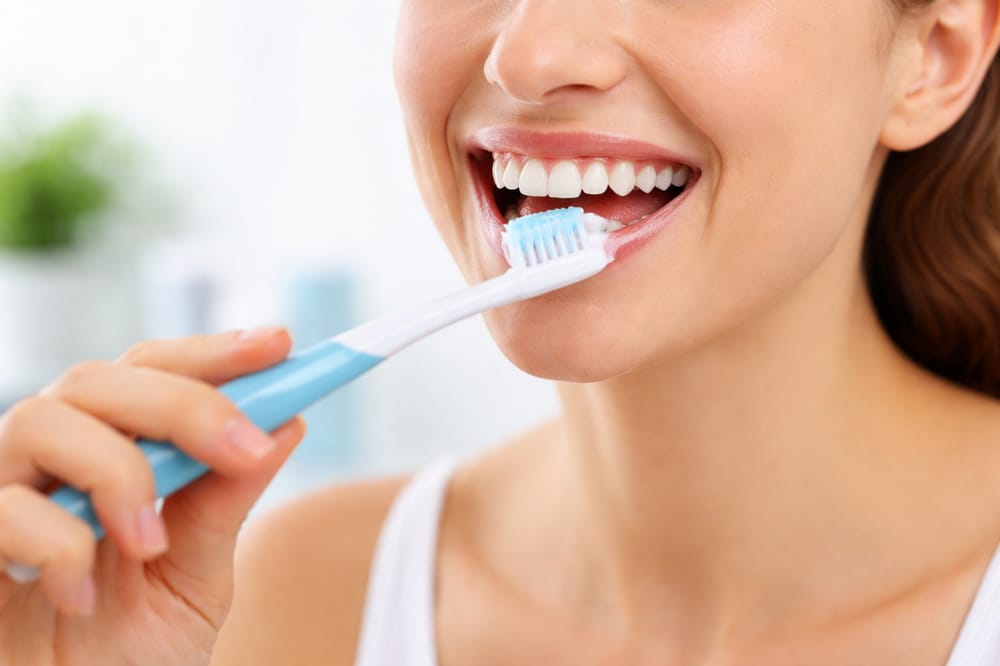
Brush Twice Daily
Use a soft-bristled toothbrush and fluoride toothpaste.
Brush gently for at least two minutes.
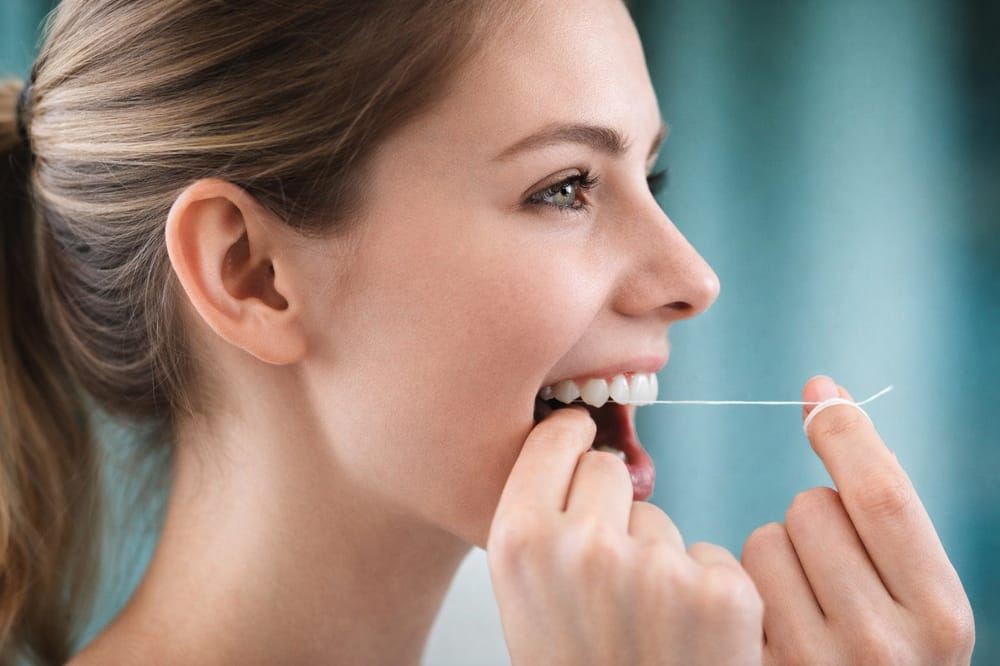
Floss Every Day
Removing plaque between the teeth supports healthier gums and cleaner tooth surfaces.
Limit Sugary Foods and Drinks
Frequent sugar consumption can encourage plaque buildup.
Choose balanced meals whenever possible.
Stimulate Natural Saliva
Sugar-free chewing gum or sugar-free lozenges may help stimulate saliva production for some individuals.
Consult your dentist for recommendations that fit your needs.
Visit Your Dentist Regularly
Professional cleanings and routine examinations help maintain long-term oral health and identify concerns early.
How PeriActive Oral Rinse Fits Into Your Daily Routine
Choosing gentle products becomes especially important when your mouth feels dry or your gums are easily irritated.
PeriActive Oral Rinse is an alcohol-free, dentist-trusted oral rinse formulated to support gum health while helping maintain a cleaner-feeling mouth.
Its alcohol-free formula provides a gentle rinsing experience, making it a suitable addition to the daily oral care routine of individuals with sensitive gums or occasional dry mouth.
PeriActive is intended to complement—not replace—essential oral hygiene practices such as brushing, flossing, and regular professional dental care.
To learn more about supporting healthy gums with PeriActive Oral Rinse, visit www.getperiactive.com.
A Simple Daily Routine for Dry Mouth and Irritated Gums
Morning
Brush for two minutes using a soft toothbrush.
Floss carefully.
Rinse with PeriActive Oral Rinse.
Drink a full glass of water.
Throughout the Day
Stay hydrated.
Choose nutritious meals.
Limit sugary snacks.
Sip water regularly.
Consider sugar-free gum if recommended by your dentist.
Evening
Brush thoroughly before bed.
Floss daily.
Finish with PeriActive Oral Rinse.
Maintaining this routine consistently can help support a healthier oral environment.
When Should You See a Dentist?
Dry mouth should be evaluated if it:
Persists for several weeks
Makes eating or speaking difficult
Is accompanied by swollen or bleeding gums
Causes recurring mouth sores
Leads to increasing tooth sensitivity
Doesn't improve despite good oral hygiene
A dental professional can help determine the cause and recommend appropriate care.
Final Thoughts
Dry mouth and irritated gums often go hand in hand, but they don't have to become part of your daily life. Understanding the causes of dry mouth and maintaining a consistent oral hygiene routine can help support healthier gums and greater comfort.
Simple habits like staying hydrated, brushing and flossing every day, eating a balanced diet, and scheduling regular dental visits all contribute to a healthier oral environment.
Adding a gentle, alcohol-free oral rinse like PeriActive Oral Rinse can complement these healthy habits by supporting gum health and helping maintain a cleaner-feeling mouth without the harsh sensation associated with some rinses.
If you're looking for a gentle oral rinse to support your daily oral care routine, learn more about PeriActive Oral Rinse by visiting www.getperiactive.com.

Healthy Gums in 60 Days
Heals gingivitis, bleeding gums, gum disease,
periodontitis, post-surgical wounds, mouth sores
$36(2 month Supply)


See other posts like this one:



Sunday, February 08, 2026
Bleeding Gums Without Pain: Should You Worry and What Should You Do?
Saturday, February 07, 2026
Daily Habits That Calm Inflamed Gums and Support Healthier Smiles

Friday, February 06, 2026
Inflammation vs Infection in the Gums: What’s the Difference and Why It MattersInflammation vs Infection in the Gums: What’s the Difference and Why It Matters

Thursday, February 05, 2026