Get Ready to
Enjoy PeriActive
Launching Feb 2023
Sign up now to get an alert when the product is available and get a special 10% off!
SiSign up now to get an alert when the product is available and get a special 10% off!

Manage, Heal & Prevent
Gingivitis, Bleeding Gums, Sore Gums, Periodontitis, Post surgical wounds, Mouth Sores and Oral Inflammation
Wednesday, November 11, 2026
How to Floss Properly for Healthier Gums: A Complete Guide
Flossing is an essential part of maintaining healthy teeth and gums, yet many people skip it or are unsure how to do it correctly. Proper flossing helps remove plaque, food particles, and bacteria from areas that toothbrushes cannot easily reach. Discover the correct flossing technique, common mistakes to avoid, and simple daily habits that can help support healthier gums and better oral hygiene.

How to Floss Properly for Healthier Gums
Brushing your teeth twice a day is one of the most important habits for maintaining good oral health. But even if you brush regularly, there may still be areas in your mouth that your toothbrush cannot clean effectively. Food particles and plaque can become trapped between teeth and along the gumline, creating an environment where bacteria can accumulate.
This is where flossing becomes essential.
Dental floss is designed to reach the narrow spaces between teeth where toothbrush bristles often cannot reach. When used correctly, it helps remove plaque and food debris, supports healthier gums, and complements your regular brushing routine.
However, simply moving floss between your teeth is not enough. The technique matters. Flossing too aggressively, skipping certain areas, or using the wrong method may make the process less effective and can irritate your gums.
If you have ever wondered whether you are flossing correctly, how often you should floss, or why your gums sometimes bleed afterward, this guide will help you understand the basics.
Let's explore how to floss properly for healthier gums and a cleaner mouth.
Why Is Flossing Important for Your Gum Health?
Your teeth have several surfaces that need regular cleaning. While brushing helps remove plaque from the front, back, and chewing surfaces of your teeth, the spaces between them can be more difficult to reach.
Plaque is a sticky film containing bacteria that naturally forms on your teeth throughout the day. When it is not removed regularly, it can accumulate around the gumline and between teeth.
This buildup may irritate the gums and contribute to gingivitis, an early stage of gum disease.
Common signs of gingivitis include red or swollen gums, tenderness, and bleeding when brushing or flossing.
Flossing helps address one of the areas where plaque tends to collect. By cleaning between your teeth every day, you can reduce plaque accumulation and support the health of the surrounding gum tissue.
It is important to remember that flossing does not replace brushing. Both practices work together to provide more complete daily oral care.
How to Floss Properly: Step-by-Step Instructions
Learning how to floss properly does not have to be complicated. With the right technique and a little practice, it can become a simple part of your everyday routine.
Step 1: Use Enough Dental Floss
Start by cutting approximately 18 inches of dental floss.
Wind most of the floss around the middle finger of one hand and a smaller amount around the middle finger of the other hand. Leave about one to two inches of floss available for cleaning between your teeth.
Use your index fingers and thumbs to control the floss as you move it.
Having enough floss allows you to use a clean section as you move from one tooth to another.
Step 2: Gently Guide the Floss Between Your Teeth
Carefully slide the floss between two teeth using a gentle back-and-forth motion.
Avoid snapping the floss directly into your gums. Doing so can irritate or injure the delicate gum tissue.
If your teeth are close together, take your time and guide the floss through the contact point without forcing it.
The goal is to clean the space between your teeth without causing unnecessary discomfort.
Step 3: Curve the Floss Around Each Tooth
Once the floss reaches the gumline, gently curve it into a C-shape around one tooth.
This is an important part of proper flossing because it allows the floss to follow the natural contour of the tooth.
Carefully slide it slightly beneath the gumline, only as far as it comfortably goes.
Move the floss gently up and down against the side of the tooth.
This helps remove plaque and debris that may collect near the gumline.
Step 4: Clean Both Sides of the Space
One common flossing mistake is cleaning only one side of the space between two teeth.
Remember that each space has two neighboring tooth surfaces.
After cleaning one side, curve the floss around the adjacent tooth and repeat the gentle up-and-down movement.
This helps ensure that both surfaces receive attention.
Step 5: Move to a Clean Section of Floss
As you move from one tooth to another, unwind a fresh section of floss.
Using a clean portion helps avoid transferring debris and plaque from one area of your mouth to another.
Continue working systematically through your upper and lower teeth.
Do not forget the back surfaces of your last molars, as these areas can also collect plaque.
Step 6: Rinse Your Mouth After Flossing
After completing your flossing routine, rinse your mouth with water to help remove loosened food particles and debris.
You may also incorporate an appropriate mouthwash into your oral care routine.
Follow the product instructions and your dentist's recommendations regarding when and how to use an oral rinse.
How Often Should You Floss?
For most adults, flossing or cleaning between the teeth once a day is recommended.
The important thing is consistency.
Plaque forms continuously, and food particles can become trapped between teeth throughout the day. Cleaning these areas regularly helps prevent excessive buildup.
Some people prefer to floss before brushing, while others prefer to floss afterward.
Either order can work as long as you clean between your teeth thoroughly every day and maintain proper brushing habits.
If you are building a new routine, choose a convenient time when you can floss without rushing.
For example, flossing before bedtime can help remove food debris and plaque accumulated throughout the day.
7 Common Flossing Mistakes That Can Harm Your Gums
Although flossing is beneficial, improper technique can make it uncomfortable or less effective.
Here are some mistakes you should avoid.
1. Snapping Floss Into Your Gums
One of the most common mistakes is forcing the floss down between teeth.
Snapping it against the gum tissue can cause irritation, tenderness, or minor injury.
Instead, use a gentle back-and-forth motion to guide the floss through the space.
2. Skipping Certain Teeth
Some people only floss the areas where food frequently gets stuck.
However, plaque can accumulate between any teeth, even when you cannot see it.
Make sure you clean every accessible space, including the back teeth.
3. Cleaning Only the Visible Areas
Flossing only the middle portion between teeth may leave plaque near the gumline.
Remember to gently curve the floss around each tooth and move it slightly beneath the gumline without forcing it.
4. Using the Same Section of Floss
Reusing the same section throughout your mouth may transfer debris between spaces.
Move to a clean section as you work through your teeth.
5. Flossing Too Aggressively
More pressure does not mean better cleaning.
Applying too much force can irritate your gums and make flossing uncomfortable.
Use controlled, gentle movements instead.
6. Stopping Because Your Gums Bleed
Some people stop flossing when they notice blood, assuming that flossing is causing damage.
However, bleeding gums can be a sign of existing inflammation, especially when plaque has accumulated around the gumline.
If you are new to flossing, mild bleeding may occur initially. Gentle, consistent cleaning may help if plaque-related gingivitis is the cause.
However, persistent, heavy, or unexplained bleeding should be evaluated by a dentist rather than ignored.
7. Replacing Flossing With Mouthwash
Mouthwash can complement your oral hygiene routine, but it cannot physically remove food particles and plaque trapped between teeth.
Flossing and interdental cleaning are important because they reach areas that rinsing alone cannot effectively clean.
For healthier gums, combine brushing, flossing, and an appropriate oral rinse instead of relying on just one product.
What Should You Do If Your Gums Bleed When Flossing?
Seeing blood while flossing can be concerning, especially if it happens regularly.
Healthy gum tissue generally should not bleed during gentle daily cleaning. When bleeding occurs, it may indicate inflammation or irritation.
One possible cause is gingivitis.
Gingivitis commonly develops when plaque accumulates around the gumline. The bacteria in plaque can irritate the gum tissue, making it more sensitive and likely to bleed.
Other possible reasons include flossing too aggressively, using improper technique, or certain dental and health conditions.
If you notice bleeding, consider the following:
First, check your technique. Make sure you are guiding the floss gently rather than forcing it against your gums.
Second, maintain a consistent oral hygiene routine. Avoid abandoning interdental cleaning simply because you notice mild bleeding.
Third, pay attention to other symptoms, such as redness, swelling, tenderness, or persistent bad breath.
Finally, schedule a dental examination if the bleeding continues, becomes heavy, or occurs without an obvious reason.
A dentist can determine whether the bleeding is related to gingivitis, periodontal disease, irritation, or another concern.
Different Types of Dental Floss: Which One Should You Use?
Not all dental floss products are the same. Choosing one that suits your teeth and personal preferences can make flossing easier and more comfortable.
Traditional string floss is a common option. It comes in waxed and unwaxed varieties and can be used to clean between most teeth.
Waxed floss has a coating that may help it slide more easily between tightly spaced teeth.
Unwaxed floss is thinner and may provide a different feel when cleaning between teeth.
Dental tape is wider and flatter than traditional floss. Some people find it more comfortable when they have larger spaces between their teeth.
Floss picks are small plastic tools with a short piece of floss attached. They can be convenient for people who find traditional floss difficult to handle.
Water flossers use a stream of water to help remove food debris and plaque from between teeth and along the gumline. They can be particularly useful for people with braces, dental bridges, or difficulty using traditional floss.
Interdental brushes are another option, especially when there are larger spaces between teeth.
The best option depends on your dental needs, the spacing of your teeth, and your ability to use the product correctly.
If you are unsure which type is appropriate, ask your dentist for a recommendation.
How Flossing Helps Prevent Plaque Buildup and Gum Problems
Plaque buildup is one of the major contributors to common gum problems.
When plaque remains on the teeth, bacteria can irritate the surrounding gum tissue. Over time, this may lead to gingivitis.
If gingivitis is not addressed, it can progress to periodontitis in some individuals.
Periodontitis is a more advanced form of gum disease that affects the tissues and structures supporting the teeth. It can cause gum recession, periodontal pocket formation, and damage to the supporting bone.
Daily flossing helps remove plaque from between teeth before it has an opportunity to accumulate excessively.
However, flossing cannot remove hardened tartar once plaque has mineralized. Professional dental cleaning may be necessary to remove these deposits.
This is why regular dental checkups are just as important as maintaining your daily oral hygiene routine.
Why Your Gum Health Matters Beyond Your Smile
Your gums play an important role in protecting and supporting your teeth.
When gum tissue becomes inflamed, it may affect your comfort, eating habits, and overall oral health.
Oral health is also connected to general health. Research has identified associations between periodontal disease and certain systemic health conditions, including diabetes and cardiovascular disease.
These relationships are complex, and an association does not necessarily mean that gum disease directly causes another condition.
However, maintaining good oral hygiene is an important part of taking care of your overall well-being.
Simple habits such as brushing, flossing, drinking water, and visiting your dentist regularly can help maintain a healthier oral environment.
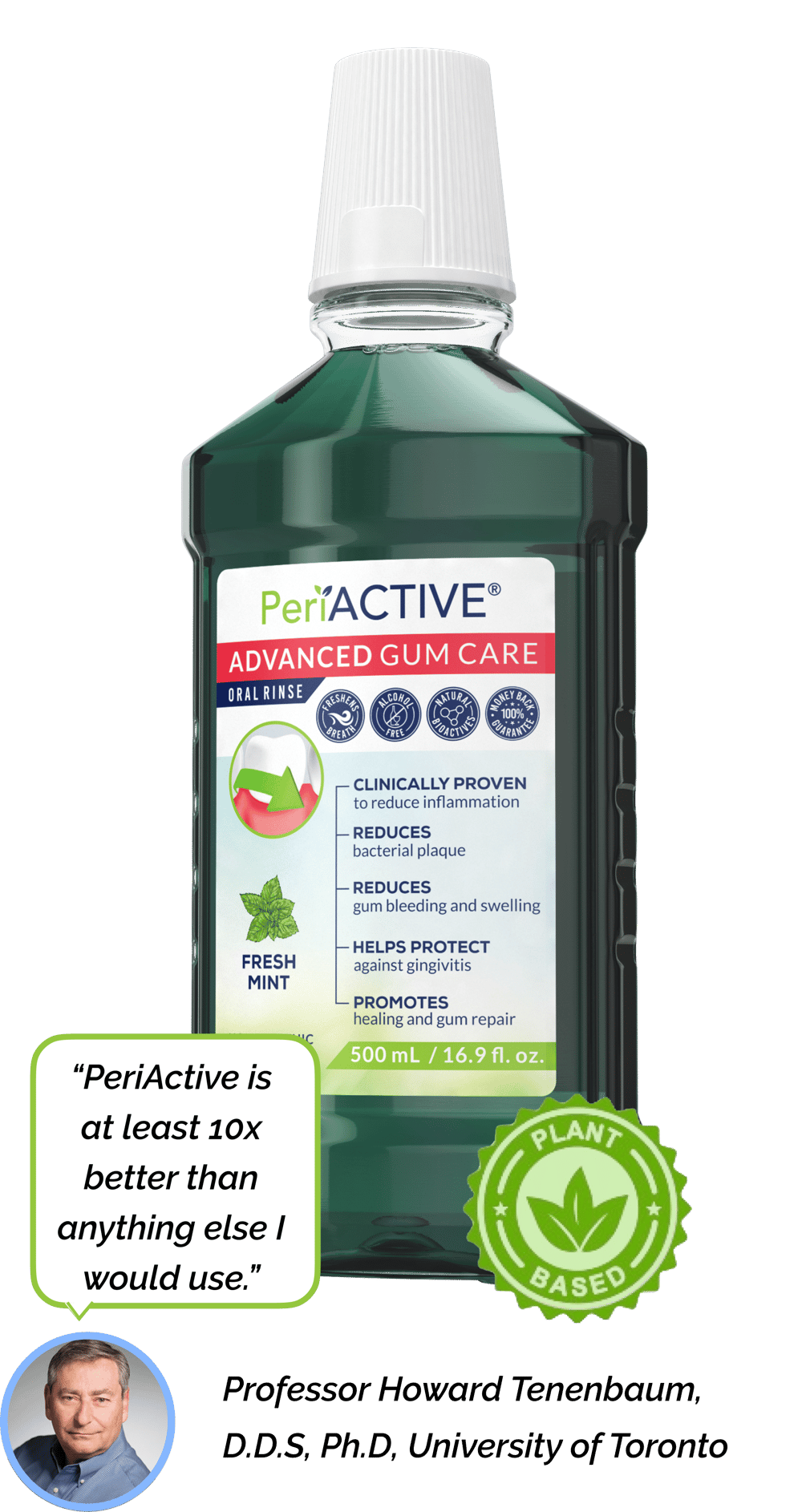
How PeriActive Oral Rinse Can Complement Your Gum Care Routine
Proper flossing is one of the most important steps in maintaining healthier gums, but your daily oral hygiene routine can include additional care.
An appropriate oral rinse can complement brushing and flossing by supporting your efforts to maintain a cleaner and healthier mouth.
PeriActive Oral Rinse offers a gentle, alcohol-free, dentist-trusted option for everyday oral care.
Powered by botanicals, its formulation is designed to help reduce bleeding and inflammation while supporting gum health.
For people who prefer an alcohol-free rinse, this can be a suitable addition to a consistent oral hygiene routine.
Why is this important?
Flossing helps physically remove plaque and debris from between teeth, while an oral rinse provides additional oral care support. Together with proper brushing, these habits can help you maintain a more complete daily routine.
It is important to remember that mouthwash does not replace flossing, professional dental cleaning, or treatment for existing gum disease.
For the best results, follow the product instructions and your dentist's recommendations.
To learn more about PeriActive Oral Rinse and its approach to everyday gum care, visit www.getperiactive.com.
A Simple Daily Routine for Healthier Gums
Maintaining healthy gums does not require an overly complicated routine. What matters most is performing the right steps consistently.
Start your morning by brushing your teeth for two minutes using fluoride toothpaste and a soft-bristled toothbrush.
Clean your tongue gently to remove accumulated debris.
Throughout the day, drink water regularly and pay attention to foods that may become trapped between your teeth.
Before bedtime, clean between your teeth using dental floss, an interdental brush, or another appropriate cleaning tool.
Brush again for two minutes, making sure to reach the gumline and the back surfaces of your teeth.
If you choose to use an oral rinse, incorporate it according to its instructions and your dentist's guidance.
Finally, schedule regular dental checkups and professional cleanings to monitor your gum health and remove tartar buildup.
These simple habits can make a meaningful difference in maintaining a healthier mouth over time.
Frequently Asked Questions About Flossing
Should I floss before or after brushing?
Both approaches can work. The important thing is to floss thoroughly every day. Some people prefer flossing before brushing because it loosens debris that can then be cleared away during brushing.
Is it normal for gums to bleed when flossing?
Bleeding may occur when gums are inflamed or when flossing is performed too aggressively. Persistent bleeding should not be considered normal and should be evaluated by a dentist.
Can flossing help with bad breath?
Yes. Flossing removes trapped food particles and plaque between teeth. These materials can contribute to unpleasant odors when bacteria break them down.
How long does it take for gums to become healthier after flossing regularly?
The timeline depends on the cause and severity of gum inflammation. People with mild plaque-related gingivitis may notice improvement over days to weeks with consistent oral hygiene. However, professional dental care may be necessary, and more advanced gum disease requires appropriate treatment.
Can I use a water flosser instead of regular dental floss?
Water flossers can be useful alternatives or additions to traditional flossing, depending on your needs. Ask your dentist which interdental cleaning method is most appropriate for your teeth and gums.
Should I floss if I have sensitive gums?
Yes, but use gentle techniques and an appropriate flossing tool. Avoid forcing floss into tight spaces. If your gums are painful, swollen, or frequently bleeding, consult your dentist.
Does mouthwash replace flossing?
No. Mouthwash cannot physically remove trapped food particles and plaque from between teeth as effectively as interdental cleaning. It should be used as a complement to brushing and flossing.
Final Thoughts: Small Flossing Habits Make a Big Difference
Healthy gums begin with consistent daily care, and flossing is an important part of that process.
Although brushing helps clean many surfaces of your teeth, it cannot always reach the narrow spaces where plaque and food particles accumulate.
Learning how to floss properly helps you clean these overlooked areas, reduce plaque buildup, and support healthier gums.
Remember to use gentle movements, clean both sides of each space, and make flossing part of your everyday routine.
If your gums frequently bleed, remain swollen, or feel uncomfortable, do not ignore these symptoms. Consult your dentist to identify the cause and determine the appropriate care.
You can also complement your daily routine with a gentle, alcohol-free oral rinse such as PeriActive Oral Rinse to support your gum care efforts.
For more information, visit www.getperiactive.com.
A healthier smile starts with the little things you do every day. Brush thoroughly, floss gently, and give your gums the attention they deserve.

Healthy Gums in 60 Days
Heals gingivitis, bleeding gums, gum disease,
periodontitis, post-surgical wounds, mouth sores
$36(2 month Supply)


See other posts like this one:

Wednesday, May 28, 2025
Receding Gums: Causes, Risks, and How to Stop It Before It’s Too Late

Tuesday, May 27, 2025
The Silent Threat: Understanding Gum Disease and Its Impact on Your Health


Monday, May 19, 2025
The Truth About Natural Mouthwashes: Do They Really Work for Gum Health?



Thursday, May 01, 2025

