Get Ready to
Enjoy PeriActive
Launching Feb 2023
Sign up now to get an alert when the product is available and get a special 10% off!
SiSign up now to get an alert when the product is available and get a special 10% off!

Manage, Heal & Prevent
Gingivitis, Bleeding Gums, Sore Gums, Periodontitis, Post surgical wounds, Mouth Sores and Oral Inflammation
Friday, October 09, 2026
What Causes Inflamed Gums?
Inflamed gums can become red, swollen, tender, or prone to bleeding, making everyday brushing and eating uncomfortable. Although plaque buildup is a common cause, other factors can contribute to gum inflammation. Understanding the possible causes can help you build a gentle oral care routine and recognize when professional dental care is needed.

Have you noticed that your gums look red, feel swollen, or bleed when you brush your teeth? If so, you may be experiencing gum inflammation.
Inflamed gums are a common oral health concern, but they should not be ignored. Sometimes, inflammation is related to plaque buildup or brushing habits. In other cases, it may be associated with hormonal changes, dry mouth, certain medications, or other oral health conditions.
The good news is that understanding what causes inflamed gums can help you make better decisions about your daily oral care routine.
But what exactly causes gum inflammation, and what can you do to support healthier gums?
Let's explore the common causes, warning signs, and practical steps that can help you care for your mouth.
What Are Inflamed Gums?
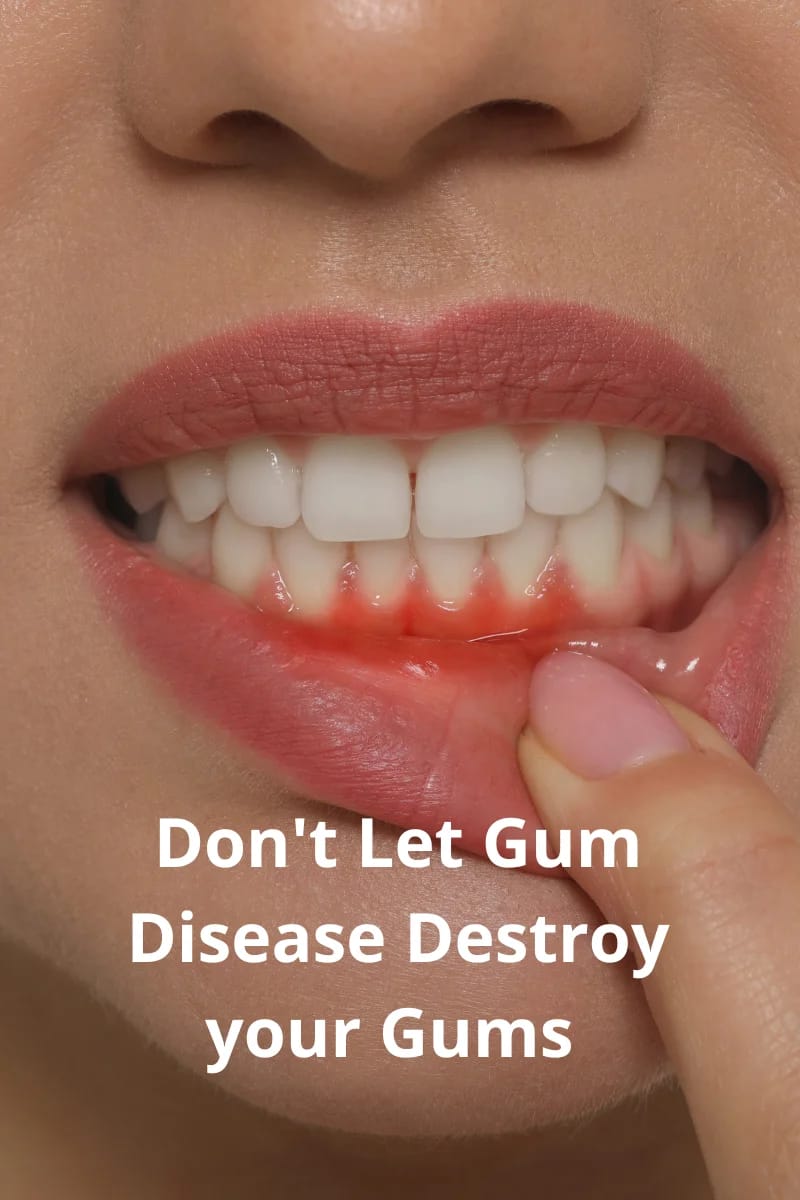
Inflamed gums are gums that have become irritated or swollen. Healthy gums generally feel firm and fit closely around the teeth. When the gum tissue becomes inflamed, it may look different or feel uncomfortable.
Common signs of gum inflammation include:
Red or darker-than-usual gums
Swelling around the teeth
Tenderness or soreness
Bleeding when brushing or flossing
Persistent bad breath
Discomfort when chewing
Changes in the appearance of the gumline
The severity of these symptoms can vary. Some people notice only slight redness or occasional bleeding, while others experience more noticeable swelling and discomfort.
Gum inflammation is a symptom rather than a diagnosis. Identifying the underlying cause is important because different problems may require different approaches to care.
1. Plaque Buildup Along the Gumline
One of the most common causes of inflamed gums is plaque buildup.
Plaque is a sticky film containing bacteria that forms on the teeth throughout the day. When it is not removed effectively, particularly around the gumline and between the teeth, it can irritate the surrounding gum tissue.
Over time, this irritation may lead to gingivitis, an early form of gum disease.
Signs associated with plaque-related gum inflammation can include redness, swelling, tenderness, and bleeding during brushing or flossing.
Daily plaque removal is essential for maintaining gum health. Brushing twice a day with fluoride toothpaste and cleaning between your teeth regularly can help control plaque.
If hardened deposits called tartar have accumulated, brushing alone cannot remove them. A dental professional can determine whether professional cleaning is needed.
2. Gingivitis
Gingivitis is inflammation of the gums commonly associated with plaque accumulation.
It is one of the most recognizable explanations for gums that bleed easily or look swollen.
You may notice:
Gums that bleed when brushing
Redness along the gumline
Swelling around several teeth
Tenderness when cleaning your mouth
Persistent bad breath
Gingivitis can often improve when plaque control is improved and contributing factors are addressed. However, it should not simply be ignored.
If symptoms persist despite consistent oral hygiene, a dentist can examine your gums and recommend appropriate care.
Early attention is important because more advanced periodontal disease can affect the tissues that support the teeth.
3. Brushing Too Hard
Brushing your teeth is essential, but using too much pressure can irritate your gums.
Some people believe that aggressive brushing removes more plaque. In reality, excessive pressure can injure delicate gum tissue and may contribute to gum recession over time.
You may be brushing too hard if your toothbrush bristles become flattened or worn unusually quickly.
To care for your gums more gently:
Choose a soft-bristled toothbrush.
Use small, controlled movements.
Avoid forceful scrubbing.
Clean carefully along the gumline.
Replace worn toothbrushes when necessary.
The goal is to clean thoroughly without causing unnecessary irritation.
4. Not Cleaning Between Your Teeth
A toothbrush cannot reach every surface between your teeth. When plaque and food debris remain in these areas, they can contribute to gum irritation.
This is why interdental cleaning is an important part of daily oral hygiene.
You can use dental floss, interdental brushes, or another tool recommended by your dental professional.
If your gums bleed when you clean between your teeth, do not automatically stop cleaning the area. Use a gentle technique, but seek dental advice if bleeding continues or is frequent.
Persistent bleeding can be a sign of inflammation or another oral health concern.
5. Hormonal Changes
Hormonal changes can influence how gum tissue responds to plaque.
For example, some people experience increased gum sensitivity or swelling during puberty, pregnancy, or other periods of hormonal fluctuation.
Hormonal changes do not necessarily cause gum disease on their own, but they may make the gums more reactive to plaque and existing irritation.
During these periods, maintaining careful oral hygiene and attending recommended dental appointments can be especially important.
If you notice significant or persistent gum changes, consult your dentist rather than assuming hormones are the only explanation.
6. Dry Mouth
Saliva helps maintain a comfortable oral environment and supports the mouth's natural protective functions.
When saliva production is reduced, the mouth may feel dry, sticky, or uncomfortable. Dry mouth can also contribute to an increased risk of certain oral health problems.
Possible causes include:
Certain medications
Dehydration
Mouth breathing
Some health conditions
Other factors affecting saliva production
Drinking water regularly may help with everyday hydration, but persistent dry mouth deserves professional attention.
Your dentist or healthcare professional can help identify possible causes and discuss suitable ways to manage it.
7. Smoking and Tobacco Use
Smoking and tobacco use can negatively affect oral health and increase the risk of periodontal disease.
Tobacco can also influence how gum tissues respond to irritation and may make some warning signs, such as bleeding, less noticeable.
If you use tobacco, consider discussing support for quitting with a healthcare professional.
Regardless of tobacco use, regular dental examinations and consistent oral hygiene remain important for protecting your gums.
8. Certain Medications
Some medications can affect oral health. For example, certain medicines may reduce saliva production, while others can contribute to gum tissue enlargement.
Medication-related changes can make oral hygiene more challenging or contribute to discomfort.
If your gums began swelling or changing after you started a medication, speak with your dentist or prescribing healthcare professional.
Do not stop taking a prescribed medication on your own. Your healthcare professional can help determine whether the medication may be contributing and what options are appropriate.
9. Food, Irritation, or Oral Care Products
Sometimes, the tissues inside your mouth become irritated by a product or substance that comes into contact with them.
Potential triggers can include certain toothpaste ingredients, mouthwash ingredients, dental materials, or other substances.
Very hot foods or sharp food particles may also cause temporary irritation.
If you notice a clear connection between a new product and oral discomfort, stop using the suspected product if appropriate and seek professional advice, particularly if symptoms persist.
Choose oral care products based on your needs rather than assuming that a stronger sensation means better cleaning.
10. Dental Appliances and Dental Work
Braces, dentures, bridges, dental implants, and other dental work can create areas where plaque is more difficult to remove.
Poorly fitting appliances or irritation from dental work can also contribute to local discomfort.
If your gums are inflamed around a crown, bridge, implant, denture, or orthodontic appliance, ask your dentist to assess the area.
People with dental implants may need specific cleaning tools and techniques to maintain the surrounding gum tissue. Follow the instructions provided by your dental professional.
Why Should You Take Gum Inflammation Seriously?
Inflamed gums are not always a sign of advanced disease, but ongoing inflammation deserves attention.
If plaque-related gingivitis is left unaddressed, some people may develop more advanced periodontal disease. Periodontitis can damage the tissues and bone supporting the teeth.
This does not mean every case of gingivitis will progress. It means that persistent symptoms should not be dismissed.
Gum inflammation can also make brushing and flossing uncomfortable, potentially making it harder to maintain consistent oral hygiene.
Addressing the underlying cause and getting professional advice when needed can help protect your long-term oral health.
How Can You Reduce Gum Inflammation at Home?
The right approach depends on what is causing the inflammation. However, several everyday habits can support healthier gums.
Brush Twice a Day
Brush for two minutes twice daily using fluoride toothpaste and a soft-bristled toothbrush.
Pay attention to the gumline and avoid applying excessive pressure.
Clean Between Your Teeth
Use floss or an appropriate interdental cleaner every day to remove plaque from areas your toothbrush cannot reach effectively.
Consider an Appropriate Oral Rinse
An oral rinse may complement your routine, depending on the formula and your individual needs. It does not replace brushing, interdental cleaning, or professional treatment.
Stay Hydrated
Drink water regularly, especially if your mouth often feels dry.
Avoid Tobacco
Tobacco use can negatively affect gum health. Professional support may help if you want to quit.
Keep Dental Appointments
Regular dental examinations can help identify inflammation, remove hardened deposits when necessary, and determine whether additional treatment is needed.
Can Mouthwash Help With Inflamed Gums?
An appropriate oral rinse can be a useful addition to a gum-care routine, but its benefits depend on the product and the person's oral health needs.
Some rinses are formulated to help manage plaque or support gum health. Others are intended primarily for breath freshness or different oral care purposes.
When choosing a rinse, consider:
Whether it is designed for gum care
Whether the formula is comfortable for you
Whether you experience dry mouth or oral sensitivity
The product's directions
Your dentist's recommendations
An alcohol-free rinse may be worth considering if you prefer a gentler-feeling product or find certain rinses uncomfortable. However, alcohol-free products are not automatically suitable for every oral health concern.
If your gums are persistently inflamed, mouthwash alone may not address the underlying cause.
PeriActive Oral Rinse for Daily Gum Care
For adults looking for a gentle addition to their oral care routine, PeriActive Oral Rinse is a dentist-trusted, alcohol-free option designed to help reduce inflammation and support gum health.
It can complement daily brushing, cleaning between the teeth, and regular professional dental care.
The purpose of an oral rinse is to support a complete oral hygiene routine, not to replace essential cleaning habits or professional evaluation when gum problems persist.
To learn more about PeriActive Oral Rinse, visit www.getperiactive.com.
Follow the product directions and your dentist's recommendations, especially if you have an existing gum condition, dental implants, or recent dental treatment.
When Should You See a Dentist?
Consider scheduling a dental appointment if you notice:
Gum swelling that persists or worsens
Frequent bleeding during brushing or flossing
Ongoing gum tenderness or pain
Receding gums
Persistent bad breath
Pus around the gums
Loose teeth
Swelling around a dental implant
Symptoms that do not improve with careful oral hygiene
Seek prompt dental care if you develop significant swelling, severe pain, or symptoms that are rapidly getting worse. Facial swelling or difficulty swallowing or breathing requires urgent medical attention.
A dentist can examine your gums and determine whether the cause is gingivitis, periodontitis, irritation, a dental problem, or another condition.
A Simple Daily Routine for Healthier Gums
You do not need a complicated collection of products to care for your gums.
Morning
Brush for two minutes with fluoride toothpaste.
Clean carefully along the gumline.
Clean between your teeth.
Use an oral rinse if appropriate for your needs.
During the day
Drink water regularly.
Be mindful of frequent sugary drinks and snacks.
Notice any changes in gum appearance or comfort.
Evening
Clean between your teeth.
Brush for two minutes.
Use oral care products according to their directions.
Regularly
Attend dental appointments.
Replace worn toothbrushes.
Ask your dentist about symptoms that persist.
Consistency matters more than making your routine unnecessarily complicated.
Final Thoughts
Inflamed gums can develop for several reasons, but plaque buildup and gingivitis are among the most common causes. Brushing too hard, not cleaning between your teeth, dry mouth, hormonal changes, certain medications, tobacco use, and irritation from dental products or appliances can also contribute.
The best first step is to understand what may be causing your symptoms rather than simply trying product after product.
Brush gently, clean between your teeth daily, stay hydrated, and consider an appropriate oral rinse as part of your routine. PeriActive Oral Rinse is an alcohol-free option designed to help reduce inflammation and support gum health as part of complete daily oral care.
Most importantly, do not ignore persistent swelling, bleeding, pain, or other changes. A dental professional can help identify the underlying cause and recommend the right care.
Healthy gums start with consistent daily habits and the right attention when something changes.
STEP 3: Review & Light Edit
Final Content Checklist
Topic: What Causes Inflamed Gums?
SEO Page Title: Under 60 characters
SEO Page Description: Written for the target search intent
Word Count: 1,200+ words
PeriActive Mention: Included naturally
Product Positioning: Gentle, alcohol-free, dentist-trusted option
CTA: www.getperiactive.com included in the article
Medical Language: Educational and appropriately cautious
Competitors: Not mentioned
Audience: Adults looking for causes and practical care for inflamed gums
Tone: Supportive, trustworthy, and easy to understand
Key Message: Identifying the cause, maintaining gentle daily oral hygiene, and seeking professional care for persistent symptoms can support healthier gums.

Healthy Gums in 60 Days
Heals gingivitis, bleeding gums, gum disease,
periodontitis, post-surgical wounds, mouth sores
$36(2 month Supply)


See other posts like this one:


Friday, February 24, 2023
What is the best mouthwash for gingivitis? Natural mouthwash to prevent gum disease

Tuesday, February 14, 2023
What are the signs of receding Gums? What are the signs of receding Gums?

Thursday, February 09, 2023
Mouthwash for Gum Health: Rinsing to help prevent and manage Gum disease


Wednesday, February 08, 2023
