Get Ready to
Enjoy PeriActive
Launching Feb 2023
Sign up now to get an alert when the product is available and get a special 10% off!
SiSign up now to get an alert when the product is available and get a special 10% off!

Manage, Heal & Prevent
Gingivitis, Bleeding Gums, Sore Gums, Periodontitis, Post surgical wounds, Mouth Sores and Oral Inflammation
Monday, October 19, 2026
How to Calm Inflamed Gums at Home: Causes, Remedies, and Daily Care Tips
Inflamed gums can cause redness, swelling, tenderness, and bleeding that make everyday brushing and eating uncomfortable. Fortunately, gentle oral hygiene, simple at-home care, and consistent daily habits can help soothe irritation and support gum health. This guide explains common causes of inflamed gums, practical remedies you can try at home, and when it is time to seek professional dental care.

How to Calm Inflamed Gums at Home
Swollen, red, or bleeding gums can be uncomfortable and concerning, especially when the irritation makes brushing, flossing, or eating painful. You might notice tenderness along your gumline, blood on your toothbrush, or a small sore that makes your mouth feel sensitive. Whatever the symptoms, it is natural to look for ways to calm inflamed gums at home.
The good news is that gentle oral care and a few practical changes to your daily routine can help relieve minor gum irritation and support a healthier mouth. However, the right approach depends on what is causing the inflammation. While some cases improve with better oral hygiene and gentle home care, others need professional dental treatment.
Understanding the cause of your symptoms is the first step toward finding lasting relief.
What Are Inflamed Gums?
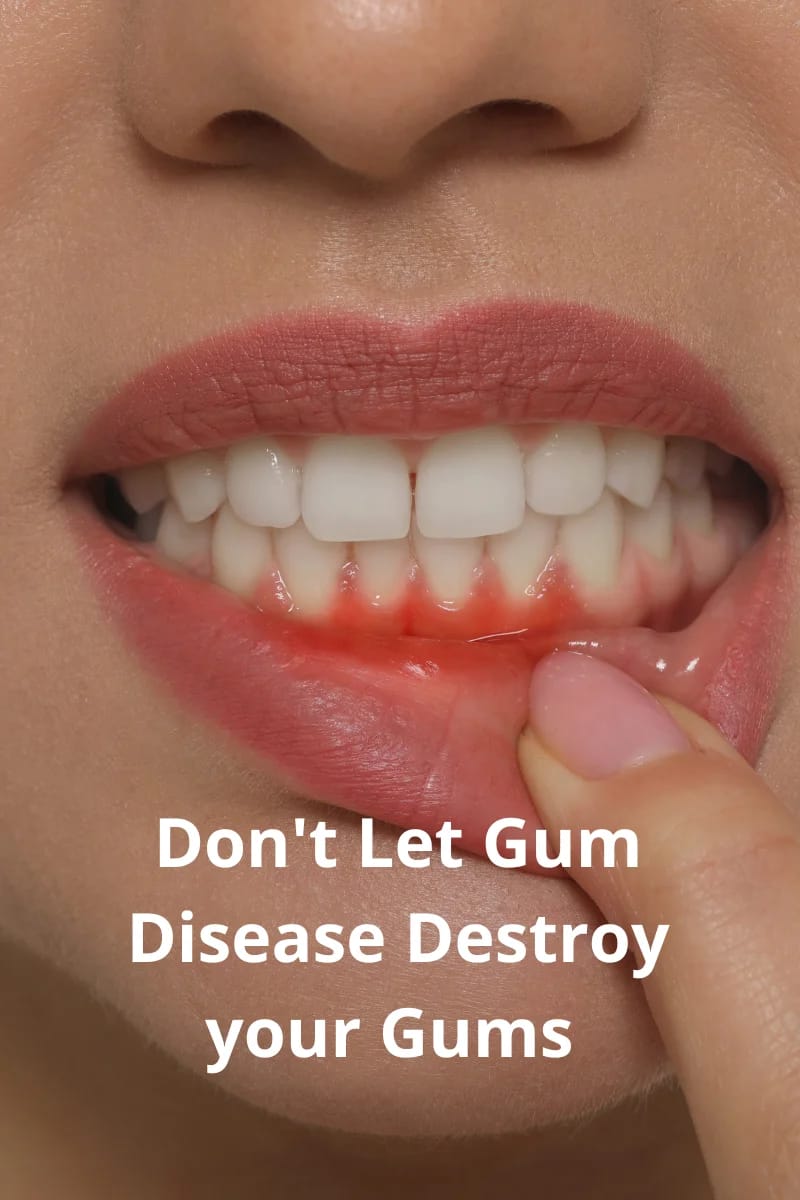
Inflamed gums occur when the soft tissue surrounding your teeth becomes irritated and swollen. Healthy gums typically appear firm and pink, although their natural color varies from person to person. They should fit snugly around the teeth without persistent bleeding, swelling, or significant tenderness.
When your gums become inflamed, you may notice changes in their appearance or how they feel. The condition can affect a small area around one tooth or a larger portion of your mouth.
Common signs of gum inflammation include:
Redness or a darker-than-usual appearance along the gumline
Swelling or puffiness around the teeth
Bleeding when brushing or flossing
Tenderness when touching the gums
Persistent bad breath
Discomfort while chewing
Gums that appear to be pulling away from the teeth
One common cause is gingivitis, an early form of gum disease that develops when plaque accumulates along the gumline. Plaque is a sticky film containing bacteria that forms naturally on teeth. When it is not removed regularly, it can irritate the surrounding gum tissue.
Not all mouth irritation is gingivitis, however. Canker sores, injuries from brushing, poorly fitting dental appliances, and other conditions can also cause discomfort around the gums. Identifying the likely source helps you choose appropriate care.
What Causes Inflamed Gums?
Several factors can contribute to swollen, irritated, or bleeding gums. Understanding these causes can help you make informed decisions about your oral hygiene routine.
1. Plaque Buildup and Gingivitis
Plaque buildup is one of the most common causes of gum inflammation. When plaque remains on teeth, the bacteria within it can trigger an inflammatory response in the surrounding gum tissue.
Early gum disease, known as gingivitis, may cause redness, swelling, and bleeding during brushing or flossing. It can sometimes improve with consistent plaque removal and professional dental cleaning.
If plaque hardens into tartar, however, brushing and flossing alone cannot remove it. A dental professional must clean the affected areas.
2. Brushing Too Hard
Brushing harder does not necessarily clean teeth better. Using excessive pressure or a hard-bristled toothbrush can irritate delicate gum tissue and contribute to gum recession over time.
If your gums feel sore after brushing, consider switching to a soft-bristled toothbrush and using gentle, controlled movements. Pay attention to the gumline without scrubbing aggressively.
3. Inconsistent Flossing
When you do not clean between your teeth regularly, plaque and food particles can accumulate in areas your toothbrush cannot reach easily.
If you have recently started flossing after a long break, your gums may bleed at first, particularly when inflammation is already present. Gentle, consistent cleaning can help, but persistent bleeding should not automatically be dismissed as normal.
4. Canker Sores and Mouth Irritation
Canker sores are small, shallow ulcers that develop inside the mouth, often on the inner cheeks, lips, tongue, or other soft tissues. They are not the same as gingivitis, although they can make nearby areas feel irritated.
Canker sores may be associated with minor injuries, stress, certain foods, or other individual triggers. They often heal on their own within one to two weeks.
A sore that repeatedly develops in the same area, becomes unusually painful, or does not heal within two weeks should be evaluated by a dental or medical professional.
5. Hormonal Changes
Hormonal fluctuations during pregnancy, menstruation, or other stages of life can make gum tissue more sensitive to plaque. Some people notice that their gums swell or bleed more easily during these periods.
Maintaining a consistent oral hygiene routine is especially important when hormonal changes make the gums more reactive.
6. Dry Mouth and Lifestyle Factors
Saliva helps wash away food particles and supports the mouth's natural defenses. When your mouth is persistently dry, plaque may accumulate more easily, and oral tissues can become uncomfortable.
Dehydration, tobacco use, certain medications, and mouth breathing can contribute to dry mouth or gum irritation. Tobacco use can also increase the risk of gum disease and interfere with healing.
If dryness is persistent, discuss possible causes and management options with a healthcare professional.
7. Dental Appliances and Other Health Factors
Braces, dentures, retainers, and other dental appliances can create areas where plaque collects or where tissue experiences friction.
Certain medications and health conditions can also influence gum health. If inflammation begins after a medication change or continues despite good oral hygiene, ask your dentist or healthcare provider whether further evaluation is appropriate.
Why You Should Not Ignore Inflamed Gums
It may be tempting to ignore occasional gum bleeding or assume that swollen gums will settle down on their own. However, recurring symptoms can indicate an underlying problem that needs attention.
Gingivitis is generally reversible with appropriate care, but untreated gum disease can progress to periodontitis. This more advanced condition damages the tissues supporting the teeth and can lead to gum recession, bone loss, loose teeth, and eventual tooth loss.
Gum inflammation can also make everyday oral care uncomfortable. When brushing and flossing hurt, some people avoid these activities, allowing plaque to accumulate and potentially worsening the problem.
Oral health is connected to overall health, too. Research has identified associations between periodontal disease and several systemic conditions, including diabetes and cardiovascular disease. These relationships are complex, and an association does not necessarily mean that gum disease directly causes another condition.
For people living with diabetes, for example, gum disease and blood sugar management can influence one another. Maintaining oral health is therefore an important part of general preventive care.
The key takeaway is simple: home care can help manage minor irritation, but it should not replace a dental examination when symptoms persist, worsen, or suggest a more serious problem.
How to Calm Inflamed Gums at Home
If your gums are mildly irritated, several gentle measures may help improve comfort while you address the underlying cause.
1. Rinse With Warm Salt Water
A warm saltwater rinse is a simple home-care option for temporary relief from minor oral irritation.
To prepare it:
Dissolve about half a teaspoon of salt in one cup of warm water.
Gently swish the solution around your mouth.
Spit it out rather than swallowing it.
Repeat as needed for short-term comfort.
Avoid using water that is too hot, as it may irritate sensitive tissues. Saltwater rinses can help keep the mouth comfortable, but they do not remove hardened tartar or treat advanced gum disease.
If the rinse stings or makes your symptoms worse, stop using it.
2. Brush Gently Twice a Day
Brushing twice daily with a soft-bristled toothbrush and fluoride toothpaste is one of the most important habits for gum health.
Hold your toothbrush at a slight angle toward the gumline and use small, gentle movements. Clean the front, back, and chewing surfaces of your teeth, taking care around areas that feel tender.
Do not stop brushing entirely because your gums bleed. Instead, clean gently and consistently unless a dental professional advises otherwise. If bleeding continues, arrange a dental evaluation.
An electric toothbrush with a pressure sensor may also help if you tend to brush too aggressively.
3. Clean Between Your Teeth Every Day
Flossing or using an appropriate interdental cleaner helps remove plaque and food debris from areas a toothbrush cannot reach.
Guide floss gently between your teeth without snapping it into your gums. Curve it around each tooth and move it carefully along the side of the tooth, extending just beneath the gumline where comfortable.
If traditional floss is difficult to use, interdental brushes or a water flosser may be useful alternatives, depending on the spaces between your teeth and any dental appliances you wear.
The goal is to remove plaque without causing unnecessary trauma.
4. Drink Enough Water
Drinking water regularly helps maintain hydration and supports normal saliva production. It can also help rinse away loose food particles after meals.
If your mouth feels dry, try taking small sips of water throughout the day. Limiting excessive caffeine and avoiding tobacco may also help some people manage dryness.
Persistent dry mouth deserves attention, especially if it affects eating, speaking, or sleeping. A healthcare professional can help identify potential causes.
5. Avoid Foods That Irritate Your Gums
When your mouth is sore, certain foods can make discomfort worse. Very spicy, acidic, salty, hard, or crunchy foods may irritate inflamed gums or canker sores.
Choose softer foods that are comfortable to chew, such as oatmeal, eggs, yogurt, mashed vegetables, or other nutrient-rich options that suit your needs.
For canker sores, avoid foods that trigger stinging, particularly citrus fruits, acidic drinks, and spicy sauces. Cool or lukewarm foods may feel more comfortable than very hot meals.
These adjustments can help reduce irritation while the affected tissues recover.
6. Avoid Tobacco and Limit Alcohol Exposure
Tobacco use increases the risk of gum disease and can make it harder for gum tissues to heal. Quitting tobacco is an important step toward better oral health.
Alcohol can also irritate sensitive oral tissues, particularly in concentrated mouth rinses or when consumed excessively. If your gums are inflamed, consider avoiding products that sting or dry your mouth.
Choose oral care products that are suitable for your needs, and ask your dentist for recommendations if you have persistent sensitivity.
7. Use an Appropriate Oral Rinse
An oral rinse can complement brushing and interdental cleaning, especially when you want to maintain a consistent oral hygiene routine.
Choose a product that fits your needs and follow its label directions. An alcohol-free formula may be a comfortable option for adults who experience dryness or sensitivity with alcohol-containing rinses.
PeriActive Oral Rinse is an option to consider as part of a daily oral care routine. Its gentle, alcohol-free formulation is intended to support gum health and help reduce inflammation as part of consistent oral hygiene.
It is important to understand what an oral rinse can and cannot do. Rinsing does not replace brushing, cleaning between teeth, professional dental cleaning, or treatment for established gum disease. Individual experiences may vary, and a rinse should not be viewed as a guaranteed solution for persistent bleeding or swelling.
If you are exploring ways to support your gum health with a gentle oral care product, you can learn more about PeriActive Oral Rinse at www.getperiactive.com. Review the product information and directions to determine whether it is appropriate for your routine.
8. Do Not Pick at Sores or Swollen Areas
It may be tempting to touch a sore spot with your fingers, scrape a swollen area, or try to remove material from the gumline. These actions can cause additional irritation or introduce bacteria.
Avoid popping, cutting, or scraping lesions. If something appears stuck between your teeth, use gentle flossing rather than sharp objects.
If a sore or swollen area persists, a dentist can examine it and determine whether further treatment is needed.
9. Maintain a Balanced Diet
A balanced diet provides nutrients that support normal tissue maintenance and healing.
Include a variety of vegetables, fruits, whole grains, protein-rich foods, and other nutrient-dense options. Vitamin C is important for healthy connective tissue, while adequate protein and other nutrients support normal tissue repair.
Nutritional deficiencies can sometimes contribute to oral symptoms, but supplements are not a substitute for identifying the underlying cause. If you suspect a deficiency or have dietary restrictions, discuss appropriate testing or nutritional guidance with a healthcare professional.
10. Keep Up With Dental Checkups
Home care is essential, but professional dental visits remain an important part of maintaining healthy gums.
A dentist or dental hygienist can assess inflammation, measure gum pockets when appropriate, identify plaque or tartar buildup, and recommend a suitable cleaning or treatment plan.
If your gums bleed repeatedly, feel persistently swollen, or do not improve despite careful daily cleaning, do not rely on home remedies alone.
How to Manage Canker Sores at Home
Canker sores deserve separate attention because they are ulcers rather than a form of gum disease. Although they can make the mouth feel inflamed, their causes and care differ from those of plaque-related gingivitis.
For minor canker sores, consider the following measures:
Rinse gently with warm salt water if it feels comfortable.
Choose soft, bland foods until the sore improves.
Avoid spicy, acidic, and very salty foods that cause stinging.
Brush carefully with a soft-bristled toothbrush.
Avoid touching or scraping the sore.
Ask a pharmacist, dentist, or healthcare professional about suitable over-the-counter products if needed.
Most minor canker sores heal without specific treatment within one to two weeks. However, unusually large sores, frequent recurrences, severe pain, difficulty drinking, or sores that persist beyond two weeks warrant professional assessment.
Do not assume that every mouth ulcer is a canker sore. Persistent ulcers can have other causes and should be examined.
How Long Does It Take for Inflamed Gums to Improve?
The time needed for inflamed gums to improve depends on the underlying cause, how severe the inflammation is, and whether appropriate treatment is provided.
Minor irritation caused by brushing too hard may begin to settle after you switch to gentler brushing. A small canker sore often heals within one to two weeks. Plaque-related gingivitis may improve with consistent oral hygiene and professional cleaning when needed.
However, symptoms can persist if plaque and tartar remain, an appliance continues to rub against the tissue, or an underlying dental or medical condition has not been addressed.
Avoid relying on a fixed recovery timeline for every case. If inflammation is not improving after several days of careful home care, or if bleeding continues, arrange a dental appointment rather than repeatedly trying new remedies.
When Should You See a Dentist?
Home care is most appropriate for minor irritation without signs of a more serious problem. Certain symptoms call for professional evaluation.
Schedule a dental appointment if you experience:
Bleeding gums that recur or continue despite gentle, consistent cleaning
Swelling or redness that persists or worsens
Pain when chewing or brushing
Persistent bad breath or an unpleasant taste
Gum recession or teeth that feel loose
Repeated mouth sores or an ulcer that lasts longer than two weeks
A sore or swollen area that repeatedly returns in the same place
Seek urgent dental care for significant pain, pus around the gums, facial swelling, or swelling that is spreading. Fever alongside these symptoms can indicate an infection requiring prompt attention.
Get emergency medical care if swelling makes it difficult to breathe or swallow. Do not wait for a home remedy or oral rinse to work.
Professional assessment is especially important if you have diabetes, a weakened immune system, or another condition that may affect healing.
A Simple Daily Routine for Healthier Gums
A manageable routine is often more effective than trying many different remedies at once. The following schedule can help you build consistent habits.
Morning
Brush for two minutes with fluoride toothpaste and a soft-bristled toothbrush.
Clean between your teeth if you prefer to do so in the morning.
Use an appropriate oral rinse according to its label directions.
After meals
Drink water to support hydration and help clear loose food particles.
Rinse with plain water if food or drinks leave your mouth feeling irritated.
Avoid repeatedly snacking on sugary foods throughout the day.
Evening
Brush thoroughly before bed.
Clean between your teeth gently.
Use your chosen oral rinse as directed, if it is part of your routine.
Check for persistent bleeding, swelling, or sores without repeatedly touching the affected areas.
Consistency matters more than the number of products you use. A simple routine that removes plaque effectively, protects delicate tissues, and fits your daily life is a practical foundation for long-term oral health.
Frequently Asked Questions About Inflamed Gums
Can inflamed gums heal on their own?
Minor gum irritation may improve when the source of irritation is removed. Early plaque-related gingivitis can often be reversed with appropriate oral hygiene and professional care when necessary. However, persistent inflammation may indicate gum disease or another condition that needs treatment.
Should I stop flossing if my gums bleed?
Not necessarily. Gentle daily interdental cleaning helps remove plaque that can contribute to bleeding. Avoid snapping floss against the gums or using excessive force. If bleeding continues or is heavy, seek dental advice.
Is salt water good for swollen gums?
A warm saltwater rinse may provide temporary comfort for minor oral irritation. It does not remove tartar or cure advanced gum disease. Stop if it causes additional discomfort.
Can mouthwash help calm inflamed gums?
An appropriate oral rinse can complement brushing and interdental cleaning. An alcohol-free formula may be preferable for some people with sensitive or dry mouths. The right product depends on the cause of the inflammation, and rinses should not replace professional care.
Is PeriActive Oral Rinse suitable for everyday use?
PeriActive Oral Rinse may be considered as part of an oral hygiene routine. Check its current product label and directions to confirm how it should be used and whether it suits your needs. If you have ongoing gum symptoms or a specific dental condition, ask your dentist for personalized guidance.
What is the difference between gingivitis and a canker sore?
Gingivitis is inflammation of the gums, commonly associated with plaque buildup along the gumline. A canker sore is a small ulcer that develops on the soft tissues inside the mouth. They can both cause discomfort, but they have different causes and may require different approaches to care.
Final Thoughts: Take Small Steps Toward Healthier Gums
Inflamed gums can make simple activities such as brushing, eating, and smiling less comfortable. Fortunately, gentle brushing, daily interdental cleaning, adequate hydration, and avoiding irritating foods can help you care for your mouth and manage minor irritation.
An appropriate alcohol-free oral rinse, such as PeriActive Oral Rinse, may also complement your daily routine when used according to its directions. The most important thing is to choose products thoughtfully and remember that no rinse can replace the fundamentals of good oral hygiene.
Most importantly, do not ignore recurring bleeding, persistent swelling, or mouth sores that fail to heal. Early dental assessment can help identify the cause, prevent complications, and guide you toward the right treatment.
With consistent daily care and professional guidance when needed, you can take practical steps toward healthier gums, greater comfort, and a more confident smile.

Healthy Gums in 60 Days
Heals gingivitis, bleeding gums, gum disease,
periodontitis, post-surgical wounds, mouth sores
$36(2 month Supply)


See other posts like this one:


Friday, February 24, 2023
What is the best mouthwash for gingivitis? Natural mouthwash to prevent gum disease

Tuesday, February 14, 2023
What are the signs of receding Gums? What are the signs of receding Gums?

Thursday, February 09, 2023
Mouthwash for Gum Health: Rinsing to help prevent and manage Gum disease


Wednesday, February 08, 2023
