Get Ready to
Enjoy PeriActive
Launching Feb 2023
Sign up now to get an alert when the product is available and get a special 10% off!
SiSign up now to get an alert when the product is available and get a special 10% off!

Manage, Heal & Prevent
Gingivitis, Bleeding Gums, Sore Gums, Periodontitis, Post surgical wounds, Mouth Sores and Oral Inflammation
Wednesday, April 22, 2026
Why Prevention Is Easier Than Treatment
Taking care of your gums early can save you from pain, stress, and costly treatments later. Prevention focuses on simple daily habits that protect your oral health before problems begin. Understanding why prevention matters helps you take control of your long-term wellness.

When it comes to your health especially your oral health there’s a simple truth many people overlook: prevention is far easier, less expensive, and less stressful than treatment. This is especially true for gum-related conditions, which often develop quietly and worsen over time if ignored.
Many adults only begin paying attention to their gums when discomfort appears. By that point, the issue may already require more intensive care. The good news is that most gum problems can be prevented or at least minimized with consistent daily habits and early awareness.
In this article, you’ll learn what gum conditions are, what causes them, the signs to watch out for, and why prevention should always be your priority.
What Is Gum Disease?
Gum disease refers to infections or inflammation of the tissues that support your teeth. It usually begins with plaque a sticky film of bacteria that forms on your teeth and gums.
If plaque isn’t removed through proper brushing and flossing, it can harden into tartar and lead to irritation of the gums. This early stage is commonly known as gingivitis, which is often mild and reversible.
If left unaddressed, it can progress into a more serious condition that affects the deeper structures supporting your teeth. At this stage, it becomes harder to manage and may require professional intervention.
Common Causes of Gum Problems
Understanding what leads to gum issues is the first step toward preventing them. Some of the most common causes include:
1. Poor Oral Hygiene
Inconsistent brushing and flossing allow plaque to build up, which irritates the gums and leads to inflammation.
2. Smoking or Tobacco Use
Tobacco weakens your body’s ability to fight infection and slows down healing in the gums.
3. Diet High in Sugar
Sugary foods and drinks feed harmful bacteria in your mouth, increasing the risk of plaque buildup.
4. Hormonal Changes
Hormonal shifts, such as those during pregnancy or stress, can make gums more sensitive and prone to irritation.
5. Dry Mouth
Saliva helps protect your mouth by washing away bacteria. Reduced saliva flow can increase the risk of gum problems.
6. Inconsistent Dental Visits
Skipping routine dental checkups can allow small issues to go unnoticed and worsen over time.
Common Symptoms You Shouldn’t Ignore
Gum disease often starts quietly, which is why many people don’t realize they have it. However, there are warning signs you should watch for:
Red or swollen gums
Bleeding when brushing or flossing
Persistent bad breath
Gum tenderness or discomfort
Receding gums (teeth appearing longer)
Loose or shifting teeth in advanced cases
Even mild symptoms can signal the beginning of a larger issue. Catching these early makes a significant difference.
Why Gum Issues Should Not Be Ignored
Ignoring gum problems doesn’t make them go away it allows them to progress. What starts as mild inflammation can eventually affect the structures that hold your teeth in place.
As the condition worsens, it may lead to:
Increased sensitivity
Difficulty chewing
Greater discomfort
More complex and costly dental treatments
Beyond oral health, there’s growing awareness of the connection between gum health and overall health. Chronic inflammation in the gums may place additional stress on the body and is often discussed alongside broader wellness concerns.
This is why prevention plays such an important role not just for your smile, but for your overall well-being.
Why Prevention Is Easier Than Treatment
1. Prevention Requires Simple Daily Habits
Preventing gum problems mainly involves consistent routines like brushing, flossing, and rinsing. These habits take only a few minutes each day but provide long-term protection.
Treatment, on the other hand, often requires multiple dental visits, specialized procedures, and ongoing care.
2. It Saves Time and Money
Preventive care is significantly more affordable than corrective treatment. Regular maintenance reduces the likelihood of needing more complex procedures in the future.
3. Less Discomfort and Stress
Preventive care is generally painless and easy to maintain. Treatment may involve discomfort, recovery time, and lifestyle adjustments.
4. Better Long-Term Outcomes
When you prevent problems early, you protect not only your gums but also your teeth and overall oral function.
The Link Between Oral Health and Overall Health
Your mouth is not separate from the rest of your body. In fact, it plays a key role in your overall health.
Healthy gums help reduce the presence of harmful bacteria and inflammation. When gum health declines, it can contribute to a higher bacterial load in the mouth, which may affect other parts of the body.
This is why maintaining good oral hygiene is often considered part of a broader approach to wellness. Taking care of your gums is one of the simplest ways to support your overall health.
Practical Daily Care Tips for Prevention
Preventing gum issues doesn’t require complicated routines just consistency and the right approach.
1. Brush Twice a Day
Use a soft-bristled toothbrush and brush gently for at least two minutes. Focus on the gumline where plaque tends to accumulate.
2. Floss Daily
Flossing removes debris and plaque from between teeth where your toothbrush can’t reach.
3. Use a Gentle Oral Rinse
Adding a rinse to your routine can help maintain a clean and balanced oral environment.
A product like PeriActive Oral Rinse is designed to be gentle and alcohol-free, making it suitable for daily use. It supports gum health by helping reduce irritation and maintaining freshness without the harshness often found in traditional rinses.
If you’re looking to improve your oral care routine, you can learn more at www.getperiactive.com
and see how it fits into your daily habits.
4. Stay Hydrated
Drinking water helps wash away food particles and supports natural saliva production.
5. Eat a Balanced Diet
Include foods rich in vitamins and minerals that support gum health, such as leafy greens, fruits, and whole foods.
6. Avoid Tobacco Products
Reducing or eliminating tobacco use can significantly improve gum health and healing.
7. Schedule Regular Dental Checkups
Routine visits allow early detection of potential issues and professional cleaning to remove tartar buildup.
Building a Prevention-First Mindset
Shifting your mindset from treatment to prevention can make a big difference in your health journey.
Instead of reacting to problems, you begin to stay ahead of them. This approach not only protects your gums but also gives you peace of mind knowing you’re actively caring for your health.
Small, consistent actions—like brushing properly, flossing daily, and using supportive products—add up over time.
How PeriActive Fits Into Preventive Care
When choosing products for your oral care routine, it’s important to focus on options that support your gums without causing irritation.
PeriActive Oral Rinse is formulated as a gentle, alcohol-free solution that complements daily hygiene practices. It’s often chosen by individuals looking for a milder option that helps maintain gum comfort and cleanliness.
Rather than replacing brushing and flossing, it works alongside them as part of a complete routine. You can explore more details and see how it may support your preventive efforts by visiting www.getperiactive.com
.
Prevention is not just easier than treatment it’s smarter, more effective, and more sustainable.
By taking simple steps today, you can avoid more complex problems tomorrow. Gum health doesn’t have to be complicated. With consistent care, awareness of early signs, and the right tools, you can maintain a healthier mouth for years to come.
If you’ve been waiting for a reason to improve your oral care routine, this is it. Start small, stay consistent, and remember: protecting your gums now is one of the best investments you can make in your overall health.

Healthy Gums in 60 Days
Heals gingivitis, bleeding gums, gum disease,
periodontitis, post-surgical wounds, mouth sores
$36(2 month Supply)


See other posts like this one:

Wednesday, November 18, 2026
Can Mouthwash Help With Gum Inflammation? Benefits, Causes & Care Tips
Monday, November 16, 2026
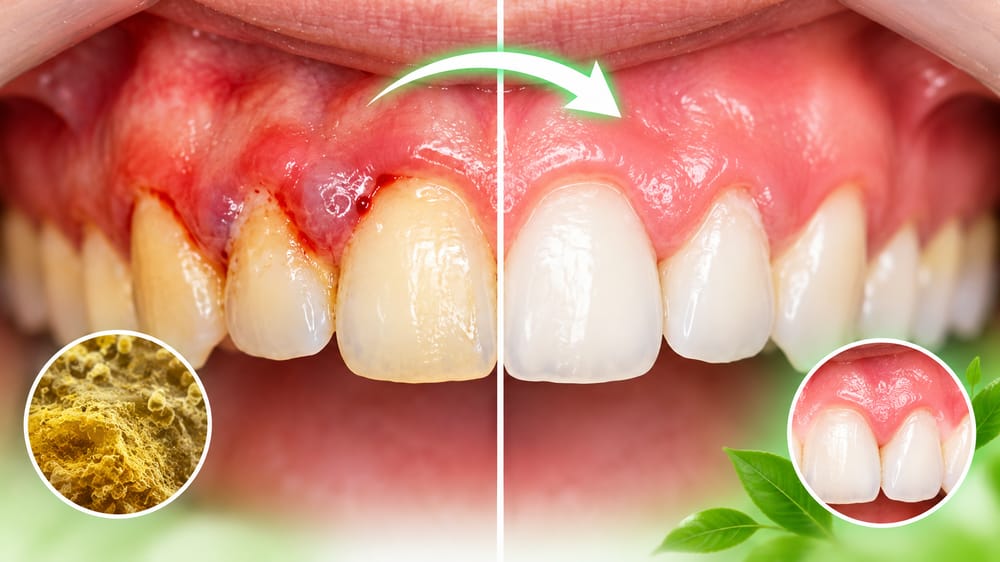
What Happens If Gingivitis Is Left Untreated? Risks, Stages & Prevention Tips

Friday, November 13, 2026
What Causes Sensitive Gums? Common Reasons, Symptoms, and How to Care for Them

Friday, November 13, 2026
Can Mouthwash Help With Gum Inflammation? Benefits, Best Practices, and What You Should Know


Tuesday, November 10, 2026
Why Does Bad Breath Keep Coming Back? Common Causes and How to Stop It
Monday, November 09, 2026
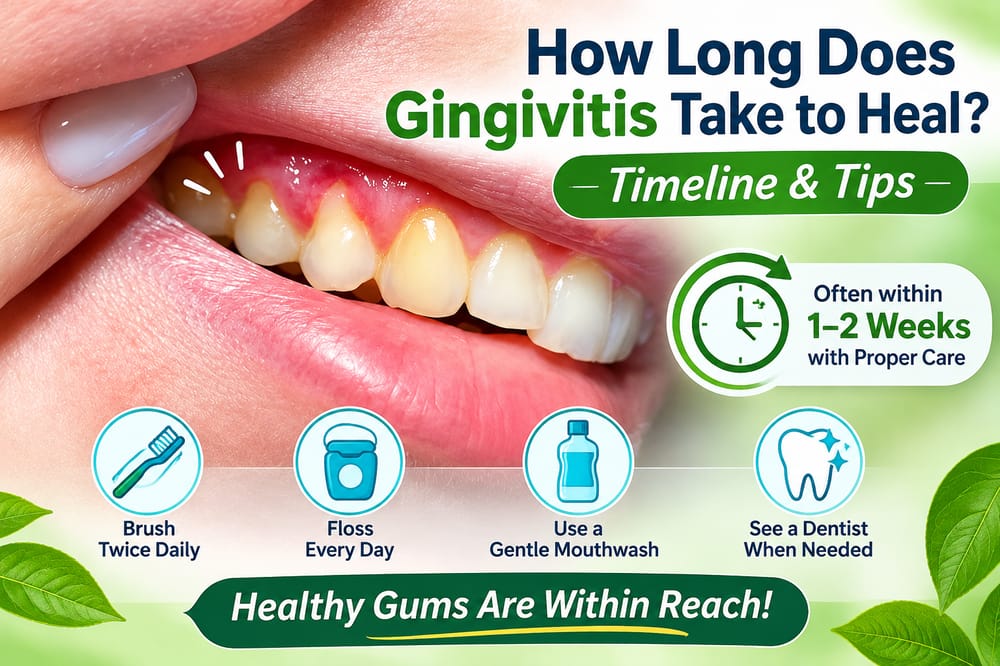
How Long Does Gingivitis Take to Heal? Recovery Timeline, Causes, and Care Tips
Friday, November 06, 2026
Is Alcohol-Free Mouthwash Better for Your Gums? Benefits, Differences, and What to Look For

Thursday, November 05, 2026
What Causes Plaque to Build Up on Your Teeth? Understanding the Causes and How to Prevent It

Wednesday, November 04, 2026
Can You Reverse Gingivitis? What You Should Know About Restoring Your Gum Health

Tuesday, November 03, 2026
Should You Use Mouthwash Before or After Brushing? Understanding the Best Time for Your Oral Care Routine

Tuesday, November 03, 2026
Why Are My Gums Red and Swollen? Common Causes, Warning Signs, and How to Care for Them

Friday, October 30, 2026
Gingivitis vs. Periodontitis: What's the Difference? Signs, Causes, and Treatment

Thursday, October 29, 2026
How to Care for Sensitive Gums: Gentle Daily Habits for a Healthier Smile

Wednesday, October 28, 2026
