Get Ready to
Enjoy PeriActive
Launching Feb 2023
Sign up now to get an alert when the product is available and get a special 10% off!
SiSign up now to get an alert when the product is available and get a special 10% off!

Manage, Heal & Prevent
Gingivitis, Bleeding Gums, Sore Gums, Periodontitis, Post surgical wounds, Mouth Sores and Oral Inflammation
Friday, October 23, 2026
Why Can't I Get Rid of Bad Breath? Common Causes and How to Find Lasting Relief
Persistent bad breath, also known as halitosis, can be frustrating, especially when brushing, flossing, and using mouthwash do not seem to help. While food and oral hygiene can contribute to unpleasant breath, ongoing odor may also be linked to dry mouth, plaque buildup, gum disease, or other health concerns. Learn why bad breath may keep returning, which daily habits can help, and when to seek professional advice.

Why Can't I Get Rid of Bad Breath?
Have you ever brushed your teeth, used mouthwash, and felt confident that your breath was fresh, only to notice an unpleasant odor returning a few hours later? Persistent bad breath can be frustrating and uncomfortable. It may affect your confidence during conversations, social gatherings, and everyday interactions.
If this sounds familiar, you are not alone. Bad breath is a common concern, and it does not always mean you are doing something wrong with your oral hygiene routine.
Bad breath, medically known as halitosis, can have several causes. Food particles, bacteria on the tongue, plaque buildup, dry mouth, and gum disease are among the most common contributors. In some cases, the problem may be related to dental issues or conditions affecting the nose, throat, or digestive system.
The key to managing persistent bad breath is identifying what is causing it instead of repeatedly trying to mask the odor.
In this guide, we will explore why bad breath keeps coming back, how oral health affects breath freshness, what you can do at home, and when it is time to speak with a dental or healthcare professional.
What Is Persistent Bad Breath?
Bad breath refers to an unpleasant odor coming from the mouth. It may happen occasionally after eating certain foods, drinking coffee, waking up in the morning, or going for several hours without eating or drinking.
These temporary changes are common. Morning breath, for example, often occurs because saliva production decreases during sleep, allowing odor-producing bacteria to become more noticeable.
Persistent bad breath is different. The odor continues or repeatedly returns despite regular brushing and other oral hygiene practices.
One important reason is that brushing alone may not clean every area where odor-producing bacteria accumulate. Bacteria can remain on the back of the tongue, between teeth, around the gumline, and in other areas that are difficult to reach.
Some bacteria break down food particles and proteins in the mouth, releasing volatile sulfur compounds that can have an unpleasant smell.
Although these compounds are a common contributor to bad breath, they are not the only possible cause. Understanding the source of the odor is the first step toward finding a solution that lasts.
8 Common Reasons Your Bad Breath Won't Go Away
If your breath remains unpleasant even after brushing, one or more of the following factors may be contributing to the problem.
1. Bacteria Accumulating on Your Tongue
Your tongue has a textured surface with tiny grooves and projections that can trap bacteria, dead cells, and food debris. The back of the tongue is particularly difficult to clean and can become a major source of persistent bad breath.
Even if your teeth look clean, bacteria on your tongue may continue producing odor-causing compounds.
What you can do: Gently clean your tongue once a day using a tongue scraper or the tongue-cleaning surface of your toothbrush. Start near the back only as far as comfortable, then move forward without scraping aggressively. Rinse the tool after use.
Cleaning your tongue should complement brushing and flossing rather than replace them.
2. Plaque Buildup Along the Gumline
Dental plaque is a sticky film containing bacteria that forms on your teeth throughout the day. When plaque is not removed effectively, it can accumulate around the gumline and between teeth.
These bacteria can contribute to unpleasant breath. Plaque buildup can also irritate the gums and increase the risk of gingivitis.
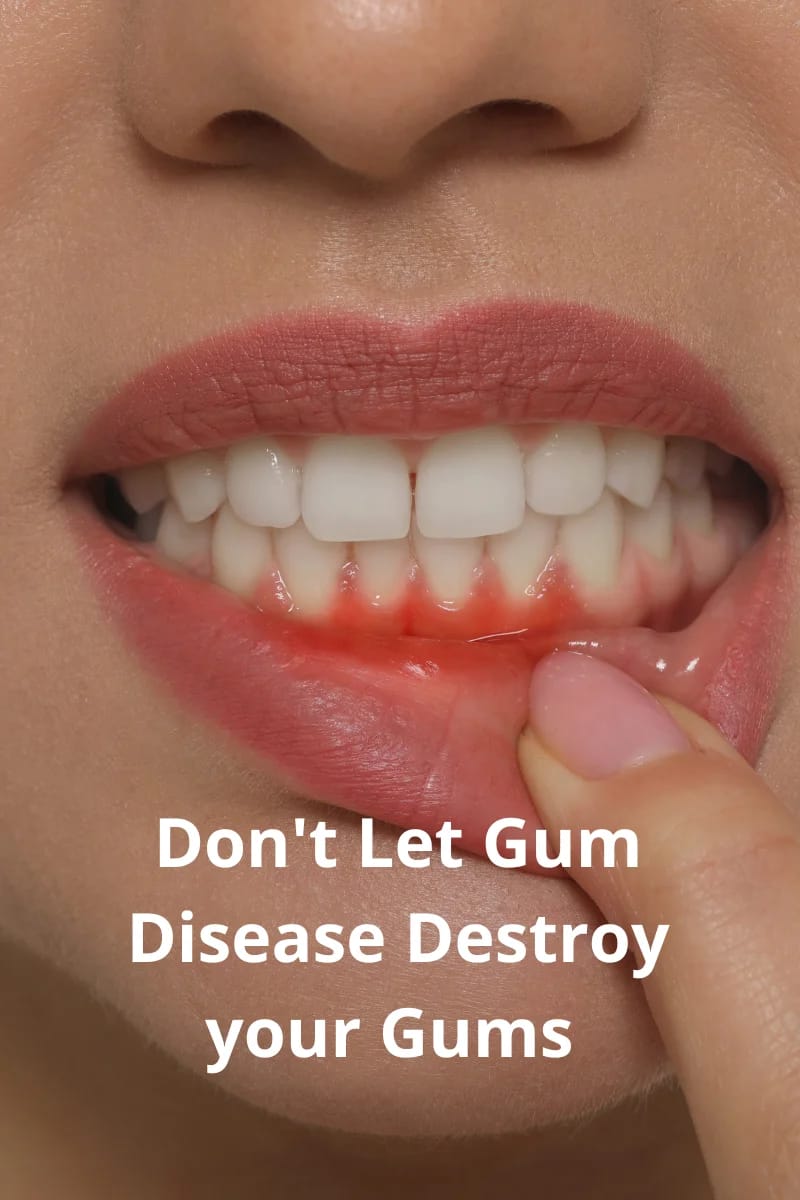
As gum inflammation develops, you may notice bleeding during brushing, redness, swelling, or tenderness.
If plaque hardens into tartar, it cannot be removed effectively through ordinary brushing and flossing. A professional dental cleaning may be necessary.
What you can do: Brush twice daily with fluoride toothpaste, clean between your teeth every day, and schedule regular dental checkups. If you have persistent bad breath along with bleeding or swollen gums, ask your dentist to evaluate your gum health.
3. Gum Disease
Gum disease is another possible reason bad breath continues despite your efforts.
Gingivitis, an early form of gum disease, occurs when plaque triggers inflammation in the gums. If the condition progresses to periodontitis, the tissues supporting your teeth can become damaged and pockets may develop between your teeth and gums.
These pockets can be difficult to clean thoroughly at home, allowing bacteria and debris to accumulate.
Possible signs of gum disease include persistent bad breath, bleeding gums, swelling, gum recession, and loose teeth in more advanced cases. However, gum disease can also develop with few noticeable symptoms.
What you can do: Maintain gentle, consistent oral hygiene and arrange a dental examination if you suspect gum disease. A dentist can assess your gums, remove tartar, and recommend appropriate treatment.
Mouthwash may complement daily cleaning, but it cannot replace professional treatment for established gum disease.
4. Dry Mouth
Saliva plays an important role in keeping your mouth comfortable and helping clear away food particles and bacteria. When saliva production decreases, odor-producing substances may accumulate more easily.
Dry mouth, also called xerostomia, can cause bad breath that keeps returning even when you brush regularly.
You may notice a sticky feeling in your mouth, difficulty swallowing dry foods, frequent thirst, cracked lips, or a dry tongue.
Dry mouth can occur during sleep, after dehydration, or because of mouth breathing. Certain medications and health conditions can also reduce saliva production.
What you can do: Drink water regularly throughout the day. If appropriate for you, sugar-free gum may help stimulate saliva production. Consider an alcohol-free oral rinse designed for dry mouth if you find alcohol-containing products uncomfortable.
If dry mouth persists, consult a dentist or healthcare professional to investigate possible causes. Do not stop prescribed medication without discussing it with your healthcare provider.
5. Food and Drinks That Affect Breath
Some foods contain compounds that can influence breath odor after digestion. Garlic, onions, and certain strongly flavored foods are familiar examples.
Coffee can also contribute to unpleasant breath for some people, particularly when combined with dry mouth. Alcoholic drinks may contribute to oral dryness as well.
These effects do not necessarily indicate poor oral hygiene. Some odor-producing compounds can enter the bloodstream after digestion and eventually be released through the lungs, meaning brushing alone may not immediately eliminate the smell.
What you can do: Drink water, maintain your regular oral hygiene routine, and notice whether particular foods or drinks consistently affect your breath. Chewing sugar-free gum may temporarily help stimulate saliva.
If the odor continues long after the expected effects of food have passed, consider other possible causes instead of assuming your diet is entirely responsible.
6. Inconsistent Brushing and Flossing
Brushing every day is important, but how thoroughly you clean matters too.
If you brush quickly, miss the gumline, or do not clean between your teeth, plaque and food particles may remain in areas your toothbrush cannot reach.
Even people who brush twice daily may experience persistent bad breath if their routine does not adequately clean the tongue and interdental spaces.
What you can do: Brush for two minutes twice a day using a soft-bristled toothbrush and fluoride toothpaste. Clean between your teeth daily with floss, interdental brushes, or another suitable tool.
Pay attention to the back teeth and gumline, where plaque may accumulate unnoticed. Replace your toothbrush when its bristles become worn.
If you are unsure whether your technique is effective, ask your dentist or dental hygienist to demonstrate the appropriate method.
7. Tonsil Stones, Sinus Problems, or Throat Conditions
Bad breath does not always originate in the teeth and gums.
Tonsil stones are small deposits that can form in the crevices of the tonsils. They may contain trapped debris and bacteria and can produce a noticeable odor. Some people also experience a persistent unpleasant taste or a feeling that something is stuck in the throat.
Sinus infections, postnasal drip, and certain throat conditions can also contribute to bad breath.
If you have nasal congestion, frequent throat clearing, facial pressure, sore throat, or visible tonsil stones, the source may need to be evaluated beyond routine dental care.
What you can do: Maintain oral hygiene and drink water regularly. Avoid using sharp objects to remove tonsil stones because they can injure delicate tissues.
If you suspect a sinus or throat problem, consult a healthcare professional. Repeatedly using stronger mouthwash may not resolve the underlying issue.
8. Certain Medical Conditions
Less commonly, persistent bad breath may be associated with medical conditions beyond the mouth.
For example, acid reflux can sometimes contribute to an unpleasant taste or odor. Certain respiratory infections and other medical conditions may also affect breath.
Distinctive breath changes can occasionally accompany serious illnesses, including some metabolic disorders, but breath odor alone cannot reliably diagnose these conditions.
If your dentist does not find an oral cause, a healthcare professional can help determine whether further evaluation is appropriate.
Seek medical attention promptly if bad breath occurs alongside concerning symptoms such as difficulty swallowing, persistent vomiting, unexplained weight loss, or significant ongoing pain.
Why Does Mouthwash Only Mask Bad Breath Temporarily?
If you use mouthwash regularly but your bad breath keeps returning, the product may be addressing the odor without addressing its source.
Some mouthwashes primarily freshen breath through flavoring ingredients. These products can provide a temporary feeling of freshness, but the effect may fade when odor-producing bacteria and debris remain in the mouth.
Other oral rinses contain ingredients intended to help control certain bacteria, deliver fluoride, or support specific oral health goals. Their benefits depend on their formulation and how they are used.
For example, a rinse may help complement plaque control, but it cannot remove hardened tartar or clean every area between your teeth. If gum disease, dry mouth, or another condition is responsible, a mouth rinse alone may not be enough.
A strong burning sensation is also not a reliable indicator that a mouthwash is working better.
Instead of relying on increasingly strong flavors, focus on a complete oral hygiene routine and choose an appropriate rinse for your needs.
Can Alcohol-Free Mouthwash Help With Persistent Bad Breath?
Alcohol-free mouthwash may be worth considering if you experience dryness or irritation with alcohol-containing products.
Some people find alcohol-based rinses uncomfortable, particularly when their mouths already feel dry or their oral tissues are sensitive. An alcohol-free formulation may offer a more comfortable rinsing experience.
However, alcohol-free does not automatically mean that a product will eliminate bad breath. The ingredients and intended purpose of the rinse matter more than the absence of alcohol alone.
When choosing an oral rinse, consider whether your primary concern is breath freshness, dry mouth, cavity prevention, or gum health. Look for a formulation appropriate for that goal and follow the product directions.
For people seeking a gentle, alcohol-free option to complement their oral care routine, PeriActive Oral Rinse is one product to explore. It is positioned as an alcohol-free oral rinse intended to support gum health and help reduce inflammation as part of consistent oral hygiene.
Healthy gums matter because plaque-related inflammation can contribute to unpleasant breath. Nevertheless, persistent halitosis has several possible causes, and a rinse should not be presented as a guaranteed solution for all of them.
To learn more about PeriActive Oral Rinse, visit www.getperiactive.com. You can review the product information and directions to decide whether it fits your daily oral care needs.
If bad breath continues despite careful brushing, tongue cleaning, and interdental cleaning, consult your dentist to identify the underlying cause.
7 Practical Ways to Improve Bad Breath at Home
While the best solution depends on the cause, these habits can help support fresher breath and a healthier mouth.
1. Brush Thoroughly Twice a Day
Brush for two minutes in the morning and before bed using fluoride toothpaste and a soft-bristled toothbrush.
Pay attention to the gumline, the backs of your teeth, and the chewing surfaces. Use gentle pressure to avoid irritating your gums.
2. Clean Your Tongue Daily
Gently remove the coating that can collect on your tongue. A tongue scraper or toothbrush can help, but avoid aggressive scraping that causes pain or bleeding.
3. Floss or Clean Between Teeth Every Day
Food debris and plaque can remain trapped between teeth even when your smile looks clean.
Daily interdental cleaning helps remove these materials and supports gum health.
4. Drink Enough Water
Water helps maintain oral moisture and supports normal saliva function. If your mouth feels dry, take regular sips throughout the day.
Persistent dry mouth may require additional care, particularly if it is associated with medication or an underlying health condition.
5. Choose an Appropriate Mouthwash
An oral rinse can complement your routine when it is selected for your needs.
If you experience oral dryness or irritation, an alcohol-free formula may be more comfortable. Check the label to understand whether the product is designed primarily to freshen breath or provide a specific oral health benefit.
Remember that rinsing does not replace brushing or flossing.
6. Limit Frequent Sugary Snacks and Drinks
Frequent exposure to sugar can contribute to tooth decay and support plaque-related problems.
Choose water regularly, maintain a balanced diet, and limit frequent sugary snacks and drinks. These habits complement effective daily cleaning.
7. Keep Up With Dental Visits
Professional dental examinations can identify plaque buildup, tartar, gum disease, cavities, and other possible causes of persistent bad breath.
If you have not had a dental checkup recently and your breath remains unpleasant despite good oral hygiene, arranging an appointment is a useful next step.
How to Know Whether Your Bad Breath Is Coming From Your Gums
Bad breath can originate from different areas of the mouth, but certain symptoms may suggest that your gums need attention.
Look for recurring bleeding during brushing or flossing, red or swollen gums, tenderness along the gumline, gum recession, or teeth that feel loose.
These symptoms do not prove that gum disease is the cause, but they are reasons to seek a dental assessment.
A dentist can examine your gums, check for plaque and tartar, assess the spaces around your teeth, and determine whether gingivitis or periodontitis may be contributing to the odor.
If your gums appear healthy and the odor continues, your dentist may recommend further evaluation for other oral causes or referral to a healthcare professional.
This approach is more effective than repeatedly switching mouthwashes without knowing what is causing the problem.
How Long Does It Take to Get Rid of Bad Breath?
The timeline depends on the cause.
Bad breath related to certain foods may improve as the effects of the food wear off. Morning breath often improves after drinking water, eating, and completing your usual oral hygiene routine.
If plaque buildup and mild gingivitis are contributing to the problem, consistent oral hygiene may help improve the situation. However, tartar may require professional removal, and established gum disease may need specific treatment.
Bad breath associated with dry mouth, tonsil stones, sinus conditions, or medical issues may continue until the underlying cause is addressed.
There is no single timeline that applies to everyone. If the odor persists despite consistent oral hygiene, arrange a dental examination rather than waiting indefinitely for it to disappear.
When Should You See a Dentist About Bad Breath?
Occasional bad breath is common, but persistent bad breath deserves attention, especially when it does not improve with regular brushing, flossing, and tongue cleaning.
Schedule a dental appointment if you experience ongoing unpleasant breath, frequent bleeding gums, gum swelling, tooth pain, visible tartar, or a persistent bad taste.
A dentist can check for gum disease, tooth decay, dental infections, and other oral health issues. If no oral cause is found, your dentist may recommend that you consult a healthcare professional.
Seek prompt care for severe dental pain, facial swelling, or pus around a tooth. If facial or throat swelling makes breathing or swallowing difficult, seek emergency medical care.
Getting the right assessment can help you avoid unnecessary products and focus on an approach that addresses the actual cause.
Frequently Asked Questions About Persistent Bad Breath
Why do I still have bad breath after brushing my teeth?
Brushing may not remove bacteria from the back of your tongue or between your teeth. Dry mouth, gum disease, dental decay, tonsil stones, and other conditions can also cause persistent odor. Try a complete oral hygiene routine and arrange a dental checkup if the problem continues.
Can bad breath be a sign of gum disease?
Yes. Plaque-related gingivitis and periodontitis can contribute to bad breath. Bleeding, swollen, or tender gums may provide additional clues, but a dental examination is needed to determine the cause.
Does drinking water help with bad breath?
Drinking water can help reduce oral dryness and support saliva function. It may improve breath when dryness is contributing to the odor, but it will not necessarily resolve bad breath caused by gum disease, dental decay, or other conditions.
Can alcohol-free mouthwash eliminate bad breath?
Alcohol-free mouthwash may help freshen breath or provide other benefits depending on its ingredients. However, it cannot guarantee lasting relief if the underlying cause is untreated. Choose an appropriate rinse and maintain thorough daily oral hygiene.
Why is my breath worse in the morning?
Saliva production decreases during sleep, allowing odor-producing bacteria to become more noticeable. Morning breath usually improves with drinking water, eating, and brushing your teeth and tongue.
Can flossing help with bad breath?
Yes. Flossing or another suitable interdental cleaning method helps remove food particles and plaque from between teeth. These areas can harbor odor-producing bacteria that brushing alone may miss.
When should I worry about persistent bad breath?
Arrange a dental appointment if bad breath continues despite good oral hygiene or occurs alongside bleeding gums, swelling, tooth pain, or a persistent bad taste. If your dentist cannot identify an oral cause, a healthcare professional can assess other possibilities.
Final Thoughts: Find the Cause, Not Just a Temporary Fresh Feeling
If you keep asking yourself, "Why can't I get rid of bad breath?" the answer may be that the source of the odor has not yet been addressed.
Bacteria on the tongue, plaque buildup, gum disease, dry mouth, food-related compounds, and certain medical conditions can all contribute to persistent halitosis. Brushing and mouthwash may provide temporary freshness, but lasting improvement often requires identifying and managing the underlying cause.
Start with the fundamentals: brush twice daily with fluoride toothpaste, clean between your teeth every day, gently clean your tongue, drink water regularly, and schedule routine dental examinations.
An appropriate oral rinse may complement these habits. For adults who prefer a gentle, alcohol-free option, PeriActive Oral Rinse may be worth exploring as part of a consistent oral care routine. Visit www.getperiactive.com to learn more.
Most importantly, do not ignore persistent bad breath or accompanying gum symptoms. A dental professional can help identify the cause and recommend suitable next steps.
With consistent oral hygiene and the right professional guidance, you can work toward fresher breath, healthier gums, and greater confidence in your everyday interactions.

Healthy Gums in 60 Days
Heals gingivitis, bleeding gums, gum disease,
periodontitis, post-surgical wounds, mouth sores
$36(2 month Supply)


See other posts like this one:


Friday, February 24, 2023
What is the best mouthwash for gingivitis? Natural mouthwash to prevent gum disease

Tuesday, February 14, 2023
What are the signs of receding Gums? What are the signs of receding Gums?

Thursday, February 09, 2023
Mouthwash for Gum Health: Rinsing to help prevent and manage Gum disease


Wednesday, February 08, 2023
