Get Ready to
Enjoy PeriActive
Launching Feb 2023
Sign up now to get an alert when the product is available and get a special 10% off!
SiSign up now to get an alert when the product is available and get a special 10% off!

Manage, Heal & Prevent
Gingivitis, Bleeding Gums, Sore Gums, Periodontitis, Post surgical wounds, Mouth Sores and Oral Inflammation
Wednesday, October 07, 2026
Can Gingivitis Go Away on Its Own?
Gingivitis can sometimes improve when the habits contributing to plaque buildup are addressed, but it should not simply be ignored. Consistent brushing, cleaning between the teeth, appropriate oral care, and professional dental guidance can help support healthier gums.

If your gums look red, feel swollen, or bleed when you brush, you may be wondering: Can gingivitis go away on its own?
It is an important question because gingivitis is common, and early gum problems can sometimes seem easy to overlook.
The good news is that gingivitis can often improve when the factors contributing to gum inflammation are properly addressed. However, that does not mean you should simply wait for it to disappear without changing anything.
Gingivitis is a sign that your gums are irritated or inflamed. In many cases, plaque buildup along the gumline plays an important role. Improving daily oral hygiene can help remove plaque and support healthier gums.
But if symptoms continue, become worse, or occur alongside other concerning changes, professional dental care is important.
Let's look at what gingivitis is, why it happens, and what you can do to support your gum health.
What Is Gingivitis?
Gingivitis is inflammation of the gums.
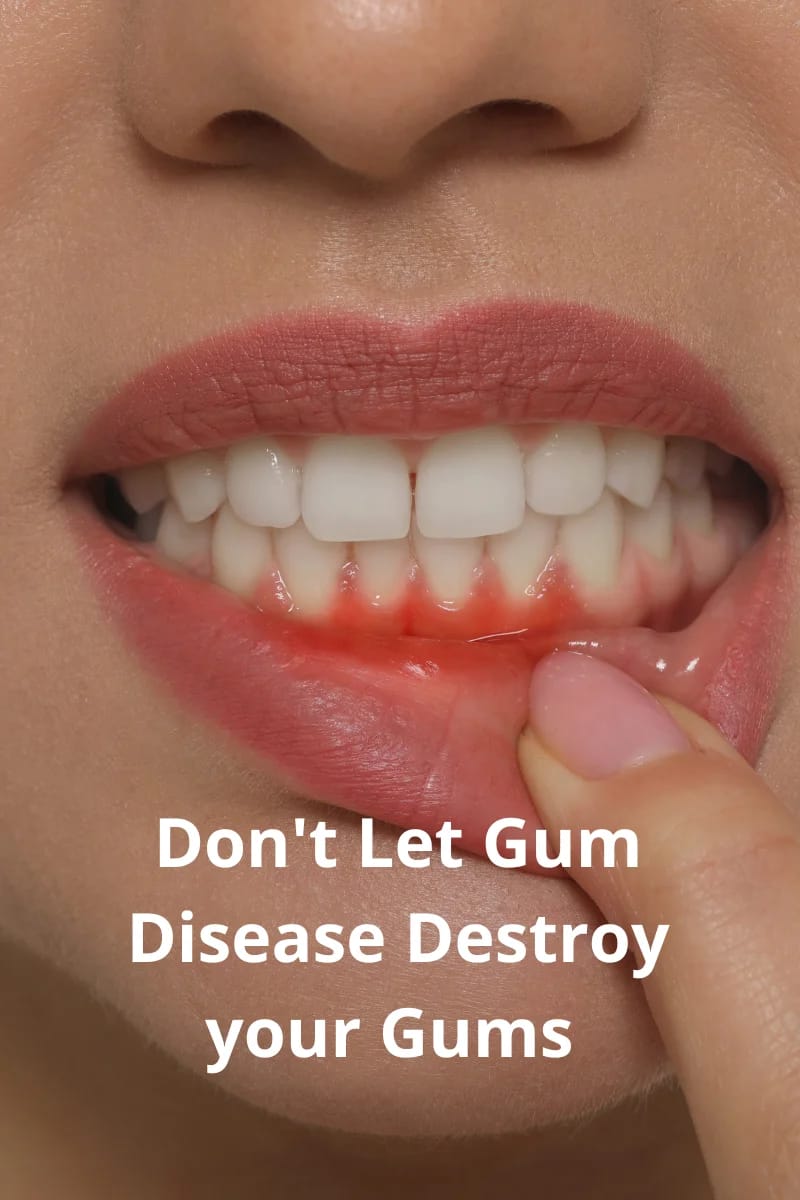
Healthy gums generally look firm and are not consistently swollen, tender, or prone to bleeding. When gingivitis develops, the gums may become irritated and change in appearance.
Common signs include:
- Red or darker-than-usual gums
- Swollen gums
- Tenderness
- Bleeding when brushing or flossing
- Persistent bad breath
- Changes around the gumline
Some people may have only mild symptoms.
That is one reason gingivitis can be easy to overlook. You may notice a little blood when brushing and assume it is nothing important.
However, recurring changes in your gums are worth paying attention to.
What Causes Gingivitis?
One of the most common contributors to gingivitis is plaque buildup.
Plaque is a sticky film that naturally develops on your teeth. It contains bacteria and can accumulate around the gumline and between teeth.
When plaque is not adequately removed, it can irritate the gum tissue.
Other factors may also influence gum health, including:
- Inconsistent brushing
- Not cleaning between the teeth
- Brushing technique
- Smoking or tobacco use
- Dry mouth
- Hormonal changes
- Certain medications
- Dental appliances
- Crowded teeth that are difficult to clean
- Other individual oral health factors
Because there can be several contributing factors, simply waiting for gingivitis to disappear may not address what is causing the inflammation.
Can Gingivitis Go Away on Its Own?
Gingivitis may improve when the underlying cause is addressed, but it is not a good idea to simply ignore it and hope it goes away.
If plaque buildup is contributing to the inflammation, improving your daily plaque-removal routine may help your gums become healthier.
That means:
- Brushing consistently
- Cleaning between your teeth
- Paying attention to the gumline
- Using appropriate oral care products
- Keeping regular dental appointments
For some people, improving these habits can make a noticeable difference.
However, if symptoms persist, it is important to have your gums evaluated.
The question should not only be:
"Will gingivitis go away?"
It should also be:
"What is causing my gums to become inflamed, and what can I do about it?"
Why You Shouldn't Ignore Gingivitis
Gingivitis can seem minor, especially if the only symptom is occasional bleeding.
But persistent gum inflammation deserves attention.
Ignoring ongoing symptoms may allow an underlying oral health problem to continue without being addressed.
It is also important to distinguish gingivitis from more advanced periodontal problems. Gingivitis affects the gums, while more advanced gum disease can involve deeper tissues that support the teeth.
Not every case of gingivitis progresses to more serious gum disease, but maintaining good oral hygiene and seeking professional care when needed is an important part of protecting your long-term oral health.
What Can You Do to Help Gingivitis Improve?
If you suspect that you have gingivitis, start by reviewing your daily oral care habits.
1. Brush Twice a Day
Brush your teeth twice daily with fluoride toothpaste.
Use a soft-bristled toothbrush and gentle movements.
Pay particular attention to the areas where the teeth meet the gums.
Remember:
More pressure does not mean better cleaning.
Aggressive brushing can irritate your gums and may contribute to recession over time.
2. Clean Between Your Teeth
A toothbrush cannot effectively clean every surface between your teeth.
Use floss, interdental brushes, or another method recommended by your dentist.
If your gums bleed when you first begin improving your interdental cleaning, don't simply stop. However, persistent bleeding should be discussed with a dental professional.
The goal is to clean between the teeth consistently while using a gentle technique.
3. Keep Your Gumline Clean
Plaque often accumulates around the gumline.
When brushing, carefully clean this area without scrubbing aggressively.
Taking a little extra time around the gumline can help you maintain more thorough daily plaque control.
Can Mouthwash Help Gingivitis?
An appropriate mouthwash can be a useful addition to your oral care routine.
However, mouthwash should not replace brushing or cleaning between your teeth.
Think of it as another tool that can complement your daily routine.
Different oral rinses are designed for different purposes. Some are intended to support gum health, while others focus on freshness or other oral care needs.
When choosing an oral rinse, consider:
- Your gum health
- Tooth sensitivity
- Dry mouth
- The ingredients
- How comfortable it feels
- Your dentist's recommendations
An alcohol-free oral rinse may be worth considering for people who prefer a gentler-feeling product or experience oral dryness or sensitivity.
PeriActive Oral Rinse for Gum Health
For adults looking for a gentle addition to their daily gum-care routine, PeriActive Oral Rinse is a dentist-trusted, alcohol-free option designed to help reduce inflammation and support gum health.
It can complement a complete oral hygiene routine that includes brushing, cleaning between the teeth, and regular professional dental care.
PeriActive should not be considered a replacement for professional evaluation or treatment when you have persistent gum problems. Instead, it can be another supportive step in your everyday oral care routine.
You can learn more about PeriActive Oral Rinse at www.getperiactive.com.
Always follow the product directions and your dental professional's recommendations.
How Long Does It Take for Gingivitis to Improve?
There is no single timeline that applies to everyone.
How quickly your gums improve can depend on:
- How much inflammation is present
- The amount of plaque buildup
- Your daily oral hygiene habits
- Whether you have other oral health concerns
- Your overall dental history
- Whether professional cleaning or treatment is needed
Some people may notice that their gums feel better after improving their oral hygiene habits, while others may continue to experience symptoms.
If your gums are not improving or symptoms are getting worse, make an appointment with your dentist.
It is better to find out what is happening than to keep guessing.
What If Your Gums Bleed When You Brush?
Bleeding is one of the most recognizable signs associated with gingivitis.
If your gums regularly bleed when brushing or cleaning between your teeth, don't automatically assume that bleeding is something you simply have to live with.
It can be a sign of gum inflammation.
Continue using gentle oral hygiene techniques, but if bleeding persists, speak with your dentist.
A professional can determine whether plaque buildup, gingivitis, gum recession, or another issue may be contributing.
What If Your Gingivitis Doesn't Go Away?
If you have been improving your oral hygiene but your symptoms continue, there may be another factor involved.
Your dentist may evaluate:
- Plaque and tartar buildup
- Gum inflammation
- Gum recession
- Tooth alignment
- Areas that are difficult to clean
- Existing dental work
- Other oral health concerns
Professional cleaning may also be recommended depending on what is found during your examination.
This is why persistent gingivitis should not simply be treated by continuously switching between different oral care products.
The underlying cause matters.
Gingivitis vs. Periodontitis
Understanding the difference between gingivitis and periodontitis is important.
Gingivitis
Gingivitis is inflammation of the gums. It is commonly associated with plaque buildup and may improve when appropriate oral hygiene is established.
Periodontitis
Periodontitis is a more advanced form of gum disease that can affect the tissues and structures supporting the teeth.
It requires professional evaluation and treatment.
If you have persistent gum inflammation, bleeding, recession, or other changes, a dentist can determine what stage of gum disease may be present and what care is appropriate.
7 Daily Habits That Support Healthier Gums
If you want to give your gums the best possible foundation, focus on simple habits.
1. Brush twice daily
Use a soft-bristled toothbrush and fluoride toothpaste.
2. Clean between your teeth
Make interdental cleaning part of your daily routine.
3. Brush gently
Avoid aggressive pressure around your gumline.
4. Consider an appropriate oral rinse
An alcohol-free option may be more comfortable for some people.
5. Stay hydrated
Water can help support a comfortable oral environment.
6. Avoid tobacco
Smoking and tobacco use can negatively affect gum health.
7. Keep dental appointments
Regular professional care allows your dentist to monitor your gums and identify problems early.
What Not to Do If You Have Gingivitis
Sometimes people try to solve gum problems by doing more and more.
But more aggressive care is not necessarily better.
Don't scrub harder
Brushing forcefully can irritate the gums.
Don't stop brushing
Avoiding the gumline completely can allow plaque to remain.
Don't rely only on mouthwash
Mouthwash is an addition to your routine, not a replacement for mechanical cleaning.
Don't ignore persistent bleeding
Recurring bleeding deserves professional attention.
Don't keep waiting if symptoms worsen
If your gums become increasingly swollen, painful, or otherwise concerning, contact your dentist.
When Should You See a Dentist?
You should consider professional evaluation if your gum symptoms persist or worsen.
Make a dental appointment if you notice:
- Frequent or persistent bleeding
- Swollen gums
- Increasing redness
- Gum recession
- Persistent bad breath
- Pain when chewing
- Loose teeth
- Pus around the gums
- Significant tenderness
- Changes that do not improve with better oral hygiene
A dental professional can determine whether you have gingivitis or another oral health condition and recommend appropriate care.
Can Better Oral Hygiene Prevent Gingivitis From Coming Back?
Maintaining a consistent routine can help support your gums after inflammation improves.
However, gum health is not something you fix once and forget about.
Plaque continues to form every day.
That means your oral care routine needs to continue every day too.
Think of it as maintenance rather than a one-time project.
Brush. Clean between your teeth. Care for your gums. Use appropriate oral care products. See your dentist. Repeat.
Consistency is what makes the routine useful.
A Simple Daily Routine for Gingivitis Support
Morning
☐ Brush for two minutes
☐ Gently clean along the gumline
☐ Clean between your teeth
☐ Use an appropriate oral rinse if part of your routine
☐ Drink water
During the Day
☐ Stay hydrated
☐ Be mindful of sugary and acidic drinks
☐ Pay attention to changes in your gums
Evening
☐ Clean between your teeth
☐ Brush for two minutes
☐ Use your oral rinse as directed, if appropriate
Regularly
☐ Keep your dental appointments
☐ Replace your toothbrush when needed
☐ Report persistent bleeding, swelling, or pain
Final Thoughts
Can gingivitis go away on its own?
Gingivitis may improve when the factors contributing to gum inflammation are addressed, especially when better daily plaque control is established. But it should not simply be ignored or left untreated while waiting for it to disappear.
Start with the basics: brush twice a day, clean between your teeth, care for your gumline gently, and consider an appropriate oral rinse as part of your routine.
For adults looking for a gentle addition to their daily gum-care routine, PeriActive Oral Rinse is an alcohol-free, dentist-trusted option designed to help reduce inflammation and support gum health.
Learn more about PeriActive at www.getperiactive.com.
Most importantly, remember that persistent symptoms deserve professional attention. If your gums continue to bleed, swell, hurt, or change despite improving your oral hygiene, schedule a dental examination.
Healthy gums are supported by what you do consistently—not by waiting for symptoms to disappear.

Healthy Gums in 60 Days
Heals gingivitis, bleeding gums, gum disease,
periodontitis, post-surgical wounds, mouth sores
$36(2 month Supply)


See other posts like this one:


Friday, February 24, 2023
What is the best mouthwash for gingivitis? Natural mouthwash to prevent gum disease

Tuesday, February 14, 2023
What are the signs of receding Gums? What are the signs of receding Gums?

Thursday, February 09, 2023
Mouthwash for Gum Health: Rinsing to help prevent and manage Gum disease


Wednesday, February 08, 2023
