Get Ready to
Enjoy PeriActive
Launching Feb 2023
Sign up now to get an alert when the product is available and get a special 10% off!
SiSign up now to get an alert when the product is available and get a special 10% off!

Manage, Heal & Prevent
Gingivitis, Bleeding Gums, Sore Gums, Periodontitis, Post surgical wounds, Mouth Sores and Oral Inflammation
Friday, November 13, 2026
Can Mouthwash Help With Gum Inflammation? Benefits, Best Practices, and What You Should Know
Gum inflammation can cause redness, swelling, tenderness, and bleeding, making everyday activities like brushing and flossing uncomfortable. While proper brushing and flossing remain essential, the right mouthwash may provide additional support for maintaining a healthier oral environment. Learn how mouthwash can help manage plaque, support gum health, and become part of a consistent oral hygiene routine.

Understanding Gum Inflammation
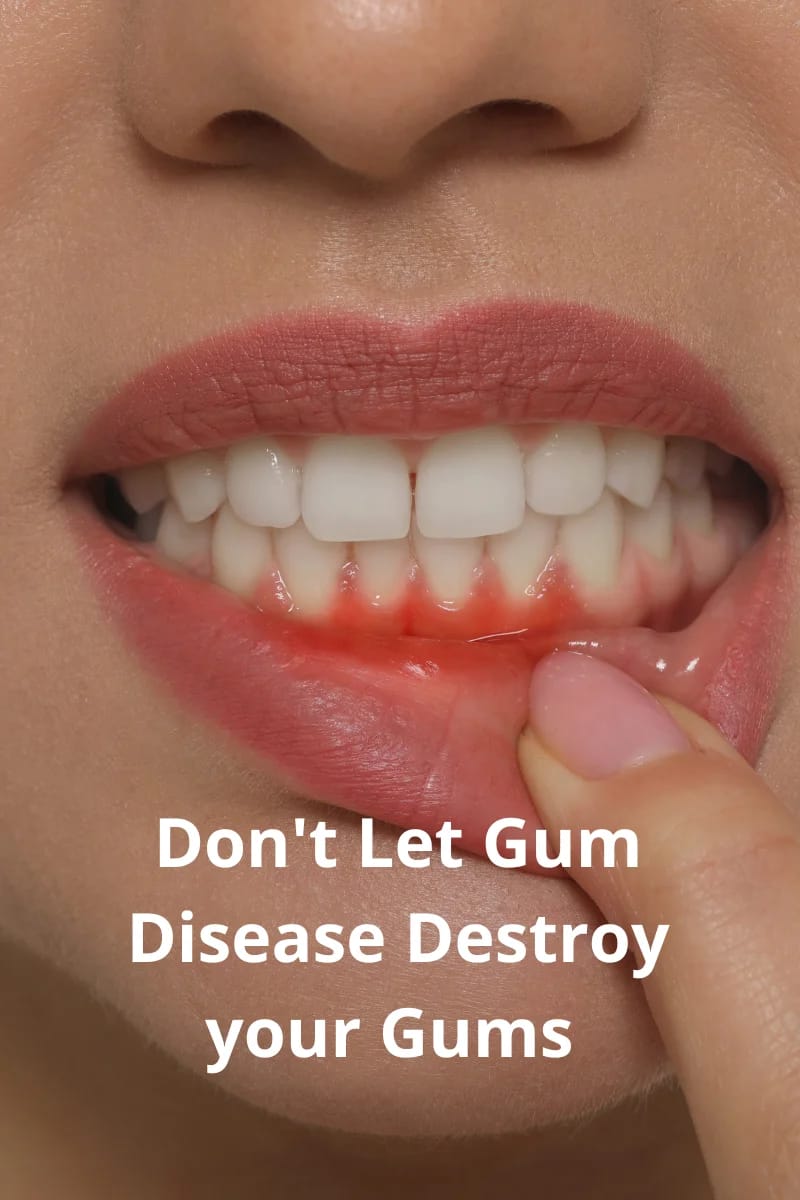
Have you ever noticed that your gums look redder than usual, feel tender, or bleed when you brush or floss? These may be signs of gum inflammation, a common oral health concern that can affect people of all ages.
Gum inflammation, often associated with an early stage of gum disease called gingivitis, usually develops when plaque accumulates along the gumline. Plaque is a sticky film of bacteria that constantly forms on teeth. When it is not properly removed through daily oral hygiene, it can irritate the surrounding gum tissue.
Some common signs of gum inflammation include:
- Red or swollen gums: Healthy gums are generally firm and pink, while inflamed gums may appear red, puffy, or irritated.
- Bleeding during brushing or flossing: Gums that bleed easily may indicate irritation or inflammation.
- Tenderness or sensitivity: Inflamed gum tissue may feel uncomfortable when touched or during regular oral care.
- Persistent bad breath: Bacteria and plaque buildup can contribute to unpleasant breath.
- Changes in gum appearance: The gumline may look swollen or feel different from its usual appearance.
The good news is that early gum inflammation can often be managed with consistent oral hygiene and appropriate dental care. One product that may help support this process is mouthwash.
Can Mouthwash Help With Gum Inflammation?
Yes, certain types of mouthwash can help support gum health and manage factors associated with gum inflammation.
Mouthwash works as an additional step in an oral hygiene routine. Depending on its ingredients, it may help reduce bacteria, control plaque, freshen breath, and reach areas of the mouth that brushing alone may not effectively clean.
However, it is important to understand that mouthwash is not a replacement for brushing, flossing, or professional dental treatment.
When gum inflammation is associated with plaque buildup, maintaining a cleaner oral environment can help support healthier gums. An appropriate mouth rinse may complement these daily habits.
Here are some ways mouthwash may help:
1. Helps Reduce Bacteria in the Mouth
Certain mouthwashes contain ingredients designed to help reduce oral bacteria. Since bacteria contribute to plaque formation, controlling their buildup is an important part of maintaining healthy gums.
Some antibacterial rinses may help reduce the bacterial load in the mouth when used according to their directions.
However, not all mouthwashes have antibacterial properties. Choosing a formula designed to support gum health can make a difference.
2. Helps Control Plaque Buildup
Plaque accumulation along the gumline is one of the main contributors to gingivitis.
Some therapeutic mouthwashes contain active ingredients that help reduce plaque formation. When combined with proper brushing and flossing, these rinses may provide additional support in keeping the gumline clean.
Remember that mouthwash cannot remove hardened plaque, also known as tartar. Professional dental cleaning may be necessary to remove it.
3. Supports a Healthier Oral Environment
An appropriate mouth rinse can help maintain oral cleanliness by reaching areas that may be difficult to access with a toothbrush.
Some formulas are also designed to provide a gentler rinsing experience, making them suitable for people who prefer to avoid the strong sensation associated with certain traditional mouthwashes.
For individuals experiencing gum sensitivity, selecting a mouthwash that feels comfortable during regular use can help encourage consistency in their oral hygiene routine.
4. Helps Freshen Breath
Gum inflammation and plaque accumulation can contribute to persistent bad breath.
Certain mouthwashes help reduce odor-causing bacteria and leave the mouth feeling fresher. While this can improve breath temporarily or help manage odor, persistent bad breath should not simply be covered up with mouthwash.
It may indicate an underlying dental concern that needs attention.
5. Complements Daily Brushing and Flossing
One of the most important benefits of mouthwash is how it complements other oral hygiene practices.
Brushing helps remove plaque from tooth surfaces, while flossing cleans between teeth and along areas where toothbrush bristles may not reach effectively.
Mouthwash adds another layer of care to this routine.
Using all three consistently can help support better overall oral hygiene.
What Type of Mouthwash Is Best for Inflamed Gums?
Not all mouthwashes are formulated for the same purpose. Some primarily freshen breath, while others contain ingredients intended to help manage plaque, bacteria, or gum irritation.
If you are experiencing gum inflammation, understanding the differences can help you make a more informed choice.
1. Antibacterial Mouthwash
Antibacterial mouthwashes are designed to help reduce bacteria in the mouth.
Some contain ingredients such as cetylpyridinium chloride (CPC), which can help reduce plaque and gingivitis when used as directed.
Chlorhexidine is another ingredient used in certain prescription mouth rinses. It can help control plaque and gingivitis, but it should generally be used under a dentist's guidance because it may cause temporary tooth staining, changes in taste, and increased tartar buildup.
2. Alcohol-Free Mouthwash
Alcohol-free mouthwash is an option for people who prefer a gentler rinsing experience.
Some traditional mouthwashes contain alcohol, which may contribute to dryness or irritation for certain individuals.
Alcohol-free formulas can be a comfortable alternative, particularly for people who experience dry mouth or sensitivity.
However, being alcohol-free does not automatically mean a mouthwash treats gum inflammation. Its overall effectiveness depends on its ingredients and intended purpose.
3. Fluoride Mouthwash
Fluoride mouthwash primarily helps strengthen tooth enamel and prevent tooth decay.
Although it is beneficial for maintaining overall oral health, its main purpose is cavity prevention rather than treating gum inflammation.
It can still be a useful addition to an oral care routine, depending on your dental needs.
4. Gentle Gum Care Mouthwash
Some mouthwashes are specifically formulated to support everyday gum care.
These products may focus on maintaining oral cleanliness while providing a gentler experience for people who prefer to avoid harsh-tasting or alcohol-containing rinses.
When selecting one, look for clearly stated ingredients and product directions. If you have persistent inflammation, ask your dentist whether a therapeutic mouthwash would be appropriate.
How to Use Mouthwash When Your Gums Are Inflamed
Using mouthwash correctly is just as important as choosing the right formula.
Here are some practical steps to help incorporate mouthwash into your daily oral hygiene routine.
Step 1: Brush Your Teeth Gently
Use a soft-bristled toothbrush and fluoride toothpaste. Brush for approximately two minutes, paying attention to the gumline.
Avoid brushing too aggressively, as excessive pressure may irritate already-sensitive gums.
Step 2: Clean Between Your Teeth
Use dental floss or an appropriate interdental cleaner to remove plaque and food particles between your teeth.
Be gentle when cleaning around inflamed areas. If bleeding continues, consult your dentist rather than stopping your oral hygiene routine altogether.
Step 3: Use Mouthwash According to Its Instructions
Measure the recommended amount and follow the manufacturer's directions.
Avoid swallowing the mouthwash, and do not dilute it unless the product instructions specifically recommend doing so.
Step 4: Maintain a Consistent Routine
Consistency is essential for maintaining good oral hygiene.
Use mouthwash at the recommended frequency. If you use fluoride toothpaste, check the instructions for both products because rinsing immediately after brushing may wash away concentrated fluoride from the toothpaste.
For many people, using mouthwash at a different time of day may be a practical option.
Step 5: Monitor Your Gum Health
Pay attention to changes in your gums over time.
If redness, swelling, tenderness, or bleeding persists, schedule a dental examination. A dentist can determine whether professional cleaning or additional treatment is needed.
Can Mouthwash Cure Gum Inflammation?
Mouthwash can help support gum health, but it should not be considered a cure for gum inflammation.
If the inflammation is caused by plaque-related gingivitis, removing plaque through proper brushing, flossing, and professional dental cleaning is essential.
A suitable therapeutic mouthwash may provide additional benefits, but simply rinsing without addressing plaque buildup will not solve the underlying problem.
It is also important to distinguish gingivitis from periodontitis.
- Gingivitis: An early form of gum disease involving inflammation of the gums. It is generally reversible with appropriate oral hygiene and professional care.
- Periodontitis: A more advanced condition involving damage to the tissues and bone supporting the teeth. It requires professional dental treatment and cannot be reversed through mouthwash alone.
If your gums are persistently swollen, bleed frequently, or appear to be pulling away from your teeth, consult a dental professional.
Other Ways to Reduce Gum Inflammation Naturally
Along with using an appropriate mouthwash, several daily habits can help support healthier gums.
Maintain Proper Oral Hygiene
Brush twice daily using a soft-bristled toothbrush and fluoride toothpaste. Clean between your teeth every day to remove plaque from areas that brushing may miss.
Drink Enough Water
Staying hydrated helps support normal saliva production. Saliva plays an important role in washing away food particles and maintaining a balanced oral environment.
Eat a Balanced Diet
Include nutrient-rich foods such as vegetables, fruits, whole grains, and protein sources. A balanced diet supports overall health, including the health of your teeth and gums.
Avoid Tobacco Products
Smoking and other tobacco use can negatively affect gum health and increase the risk of periodontal disease. Avoiding tobacco is an important step toward better oral health.
Schedule Regular Dental Checkups
Professional dental examinations and cleanings help identify potential problems early and remove hardened plaque that cannot be eliminated through brushing and flossing alone.
If inflammation does not improve or is accompanied by significant pain, pus, loose teeth, or persistent bleeding, seek dental care promptly.
Why Choose a Gentle, Alcohol-Free Mouthwash for Everyday Gum Care?
For people who want to maintain a consistent oral hygiene routine, choosing a mouthwash that feels comfortable to use can make daily care easier.
Some individuals find traditional alcohol-containing mouthwashes too strong or uncomfortable, particularly when their mouths are already sensitive.
A gentle, alcohol-free formula offers an alternative for those who prefer a milder rinsing experience.
PeriActive Oral Rinse is a gentle, alcohol-free, dentist-trusted option designed to complement everyday oral hygiene.
Adding a suitable mouth rinse to your daily routine can help support oral cleanliness while complementing the benefits of brushing and flossing.
For best results, remember that a mouthwash should be part of a complete oral care routine, not a substitute for professional dental advice or treatment.
Discover more about PeriActive Advanced Gum Care at www.getperiactive.com.
Frequently Asked Questions
1. How long does it take for mouthwash to help with gum inflammation?
The timeframe depends on the cause and severity of the inflammation, as well as the ingredients in the mouthwash. Some therapeutic rinses may help reduce plaque and gingivitis over time when used consistently alongside proper brushing and flossing. Persistent symptoms should be evaluated by a dentist.
2. Should I use mouthwash if my gums are bleeding?
Yes, you may use an appropriate mouthwash as part of your oral hygiene routine, provided it does not cause additional irritation. However, bleeding gums can be a sign of gingivitis or another dental concern. Continue gentle brushing and flossing and consult your dentist if the bleeding persists.
3. Is alcohol-free mouthwash better for inflamed gums?
Alcohol-free mouthwash may be more comfortable for individuals who experience dryness or irritation from alcohol-containing products. However, the best option depends on the ingredients and your specific oral health needs.
4. Can mouthwash replace brushing and flossing?
No. Mouthwash cannot replace brushing and flossing. These practices physically remove plaque and food particles from the teeth and gumline. Mouthwash is intended to complement, not replace, these essential habits.
5. Can I use mouthwash every day?
Many mouthwashes are formulated for daily use. However, the recommended frequency depends on the specific product. Always follow its instructions, particularly when using therapeutic or prescription rinses.
6. When should I see a dentist for gum inflammation?
You should schedule a dental appointment if your gums remain red, swollen, tender, or prone to bleeding despite maintaining proper oral hygiene. Seek prompt dental attention if you experience pus, significant pain, loose teeth, or rapidly worsening swelling.
Final Thoughts: Give Your Gums the Care They Deserve
Gum inflammation is often an early warning sign that your oral hygiene routine may need attention. While mouthwash alone cannot cure gum disease, the right formula can provide additional support by helping manage plaque and bacteria and maintain a cleaner oral environment.
The key is consistency. Brush gently, floss daily, choose an appropriate mouthwash, and visit your dentist regularly.
Healthy gums begin with everyday habits. By giving your oral health the attention it deserves, you can take meaningful steps toward maintaining a healthier smile.
Support your daily gum care routine with PeriActive Oral Rinse.
Visit www.getperiactive.com to learn more about PeriActive Advanced Gum Care.

Healthy Gums in 60 Days
Heals gingivitis, bleeding gums, gum disease,
periodontitis, post-surgical wounds, mouth sores
$36(2 month Supply)


See other posts like this one:


Friday, February 24, 2023
What is the best mouthwash for gingivitis? Natural mouthwash to prevent gum disease

Tuesday, February 14, 2023
What are the signs of receding Gums? What are the signs of receding Gums?

Thursday, February 09, 2023
Mouthwash for Gum Health: Rinsing to help prevent and manage Gum disease


Wednesday, February 08, 2023

