Get Ready to
Enjoy PeriActive
Launching Feb 2023
Sign up now to get an alert when the product is available and get a special 10% off!
SiSign up now to get an alert when the product is available and get a special 10% off!

Manage, Heal & Prevent
Gingivitis, Bleeding Gums, Sore Gums, Periodontitis, Post surgical wounds, Mouth Sores and Oral Inflammation
Friday, June 05, 2026
Best Daily Routine for Managing Chronic Gum Disease
Managing chronic gum disease requires consistency, patience, and the right daily habits. A structured oral care routine that includes brushing, flossing, hydration, professional dental care, and gentle oral hygiene products can help support healthier gums and improve overall oral comfort over time.

Chronic gum disease is one of the most common oral health concerns affecting adults worldwide. While it often develops gradually, its effects can become increasingly noticeable if proper oral care habits are not maintained.
Many people diagnosed with chronic gum disease wonder what they can do each day to support healthier gums and reduce ongoing irritation. The good news is that a consistent daily routine can make a significant difference in maintaining oral health and supporting gum comfort.
Although professional dental care is an important part of managing chronic gum disease, what you do at home every day matters just as much. Small habits repeated consistently often provide the greatest long-term benefits.
Understanding the best daily routine for managing chronic gum disease can help you create a practical oral care plan that supports healthier gums and a cleaner-feeling mouth.
What Is Chronic Gum Disease?
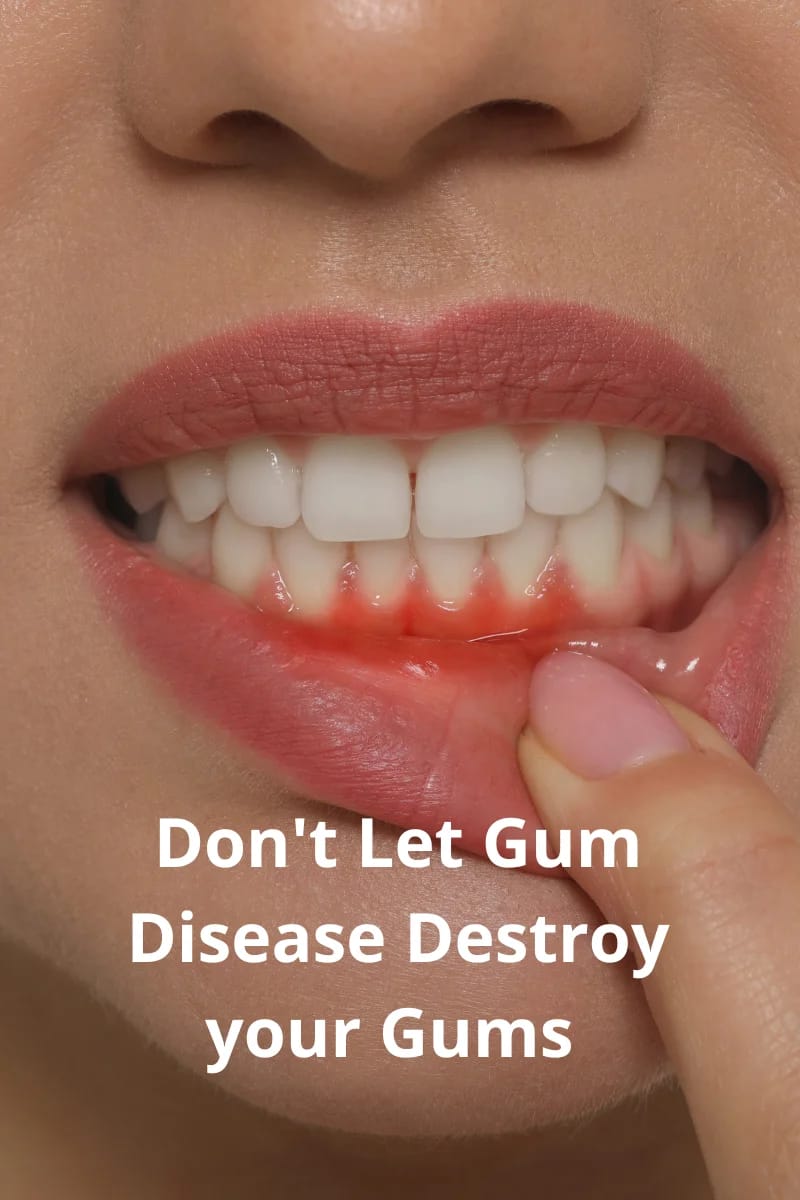
Chronic gum disease is a long-term condition involving irritation and inflammation of the gum tissues surrounding the teeth.
It typically develops when plaque and bacteria accumulate along the gumline and are not removed effectively through regular oral hygiene practices.
Over time, this buildup may contribute to:
Gum inflammation
Bleeding gums
Persistent bad breath
Gum sensitivity
Receding gums
Plaque accumulation
Deepened gum pockets
Because chronic gum disease often progresses slowly, many people do not recognize the condition until symptoms become more noticeable.
This makes daily oral care especially important for long-term gum health support.
Common Causes of Chronic Gum Disease
Several factors may contribute to chronic gum disease.
Plaque Buildup
Plaque is the most common cause of gum irritation. This sticky film of bacteria forms naturally on teeth every day and must be removed consistently through brushing and flossing.
Poor Oral Hygiene Habits
Skipping brushing or flossing allows bacteria and plaque to remain on oral surfaces longer.
Smoking and Tobacco Use
Tobacco use is frequently associated with gum irritation, oral dryness, and persistent bad breath.
Dry Mouth
Saliva plays a critical role in maintaining oral balance. Reduced saliva production may allow bacteria to accumulate more easily.
Stress
Stress can affect oral hygiene routines, sleep quality, hydration levels, and even contribute to teeth grinding.
Diet Choices
Frequent consumption of sugary foods and beverages may encourage plaque buildup and bacterial growth.
Irregular Dental Visits
Professional cleanings help remove tartar buildup that cannot be removed through brushing alone.
Common Symptoms of Chronic Gum Disease
Symptoms can vary from person to person but often include:
Bleeding while brushing or flossing
Swollen gums
Redness around the gumline
Persistent bad breath
Gum tenderness
Gum recession
Increased tooth sensitivity
Loose-feeling teeth
Discomfort while chewing
Many adults experience these symptoms gradually, making it easy to overlook them during the early stages.
Why Chronic Gum Disease Should Not Be Ignored
Chronic gum disease is not simply a cosmetic concern.
Healthy gums help support teeth, protect sensitive oral tissues, and contribute to overall oral comfort.
Ignoring ongoing gum irritation may lead to:
Greater oral discomfort
Increased plaque accumulation
More noticeable gum recession
Persistent bad breath
Difficulty maintaining oral hygiene
Reduced confidence in social situations
The earlier consistent care is implemented, the easier it may be to support healthier gums over time.
The Connection Between Gum Health and Overall Wellness
Oral health is closely connected to daily wellness.
When gums are irritated or uncomfortable, it may affect:
Eating habits
Oral hygiene consistency
Confidence
Comfort while speaking
Overall quality of life
Healthy gums support a cleaner oral environment and often encourage better overall self-care habits.
Maintaining gum health is an important part of supporting long-term oral wellness.
The Best Daily Routine for Managing Chronic Gum Disease
A successful routine focuses on consistency rather than complexity.
Morning Routine
Starting the day with good oral hygiene helps reduce plaque accumulation and supports fresher breath.
Step 1: Brush Thoroughly
Use a soft-bristled toothbrush and brush for two full minutes.
Focus on cleaning along the gumline using gentle circular motions rather than aggressive scrubbing.
Step 2: Clean Between Teeth
Use dental floss, interdental brushes, or a water flosser to remove plaque and food debris from hard-to-reach areas.
Step 3: Use an Alcohol-Free Oral Rinse
A gentle oral rinse can help support oral freshness and complement your brushing and flossing routine.
Step 4: Drink Water
Hydration supports saliva production, which helps naturally cleanse the mouth throughout the day.
Midday Habits That Support Gum Health
Oral health is not only about morning and evening routines.
Small habits throughout the day can also support healthier gums.
Stay Hydrated
Water helps maintain oral comfort and supports the mouth's natural cleansing processes.
Rinse After Meals
Rinsing with water after eating may help remove food particles and reduce residue around the teeth and gums.
Limit Sugary Snacks
Frequent sugary foods may contribute to plaque accumulation and bacterial growth.
Avoid Tobacco Products
Reducing tobacco use may help support healthier gum tissue and fresher breath.
Evening Routine
The evening routine is especially important because bacteria can remain on oral surfaces overnight if plaque is not removed effectively.
Step 1: Brush Carefully
Brush for two minutes before bed using a soft-bristled toothbrush.
Pay special attention to the gumline and difficult-to-reach areas.
Step 2: Floss Thoroughly
Removing debris between teeth helps support a cleaner oral environment overnight.
Step 3: Use a Gentle Oral Rinse
An alcohol-free rinse can help complete your nightly oral care routine while supporting gum health.
Step 4: Avoid Late-Night Sugary Foods
Limiting sugar before bed may help reduce overnight plaque buildup.
Choosing the Right Products for Chronic Gum Disease
People managing chronic gum disease often benefit from products that are effective yet gentle.
Look for products that are:
Easy to use consistently
Comfortable for sensitive gums
Alcohol-free when possible
Designed to support gum health
Suitable for long-term daily use
The goal is to encourage consistency while minimizing irritation.
How PeriActive Oral Rinse Supports Daily Gum Care
For adults looking to enhance their gum care routine, PeriActive Oral Rinse may be a valuable addition.
PeriActive Oral Rinse is a gentle, alcohol-free, dentist-trusted oral rinse designed to support gum health and help maintain a cleaner-feeling mouth. Because it does not contain alcohol, many users find it comfortable for daily use, particularly when dealing with sensitive or irritated gums.
When incorporated into a complete oral hygiene routine that includes brushing, flossing, hydration, and professional dental care, PeriActive Oral Rinse may help support healthier gums and long-term oral comfort.
For additional information about supportive oral care solutions, visit www.getperiactive.com.
Lifestyle Habits That Support Healthier Gums
Daily oral hygiene is essential, but lifestyle choices can also influence gum health.
Prioritize Sleep
Quality sleep supports overall wellness and may help improve consistency with self-care routines.
Manage Stress
Stress can affect oral habits and may contribute to behaviors such as teeth grinding.
Eat a Balanced Diet
Foods rich in vitamins, minerals, and fiber support overall health and may contribute to healthier oral habits.
Stay Consistent
The most effective oral care routine is one you can maintain every day.
Small actions performed consistently often provide the greatest long-term benefits.
When to Contact a Dental Professional
Even with excellent home care, professional evaluation remains important.
Consider scheduling a dental appointment if you experience:
Persistent bleeding gums
Significant swelling
Ongoing bad breath
Gum recession
Loose teeth
Pain while chewing
Symptoms that continue despite good oral hygiene
Routine professional care helps monitor gum health and provides guidance tailored to your individual needs.
Final Thoughts
Managing chronic gum disease successfully requires a consistent and realistic daily routine. While there is no single product or habit that can do all the work, combining proper brushing, daily flossing, hydration, healthy lifestyle choices, and regular dental visits can help support healthier gums over time.
Choosing gentle oral care products can also make a meaningful difference in comfort and long-term consistency. An alcohol-free option such as PeriActive Oral Rinse can complement a complete oral care routine while helping maintain a cleaner-feeling mouth and supporting gum health.
If you are looking for supportive oral care solutions designed for daily use, visit www.getperiactive.com to learn more.

Healthy Gums in 60 Days
Heals gingivitis, bleeding gums, gum disease,
periodontitis, post-surgical wounds, mouth sores
$36(2 month Supply)


See other posts like this one:


Friday, February 24, 2023
What is the best mouthwash for gingivitis? Natural mouthwash to prevent gum disease

Tuesday, February 14, 2023
What are the signs of receding Gums? What are the signs of receding Gums?

Thursday, February 09, 2023
Mouthwash for Gum Health: Rinsing to help prevent and manage Gum disease


Wednesday, February 08, 2023
