Get Ready to
Enjoy PeriActive
Launching Feb 2023
Sign up now to get an alert when the product is available and get a special 10% off!
SiSign up now to get an alert when the product is available and get a special 10% off!

Manage, Heal & Prevent
Gingivitis, Bleeding Gums, Sore Gums, Periodontitis, Post surgical wounds, Mouth Sores and Oral Inflammation
Friday, October 16, 2026
Can Gingivitis Cause Bad Breath? Short Blog Summary
Yes, gingivitis can contribute to bad breath because plaque and bacteria can accumulate around the teeth and gumline, causing inflammation and unpleasant odors. Learn how gum disease affects breath, what symptoms to watch for, and how daily oral care and professional dental treatment can help.

Have you ever brushed your teeth, used mouthwash, and still noticed that your breath does not feel fresh? Persistent bad breath can be frustrating, especially when you are already trying to maintain good oral hygiene.
One possible cause is gingivitis, an early form of gum disease.
Gingivitis develops when plaque builds up around the teeth and gumline, irritating the surrounding gum tissue. The bacteria associated with plaque can also contribute to unpleasant mouth odors. This means that bad breath may sometimes be a sign that your gums need more attention.
However, gingivitis is not the only possible cause of bad breath. Dry mouth, food particles, tongue coating, tooth decay, certain foods, and other health conditions can also play a role.
Understanding the connection between gingivitis and bad breath can help you choose the right oral-care habits and recognize when it is time to see a dental professional.
Can Gingivitis Cause Bad Breath?
Yes, gingivitis can contribute to bad breath.
Gingivitis is inflammation of the gums, most commonly associated with plaque buildup. Plaque contains bacteria that interact with food debris and substances in the mouth. Some oral bacteria produce unpleasant-smelling compounds that can affect breath.
When plaque remains along the gumline and between teeth, bacteria can continue to accumulate in areas that may be difficult to clean thoroughly.
As a result, you may experience:
Persistent bad breath
An unpleasant taste in your mouth
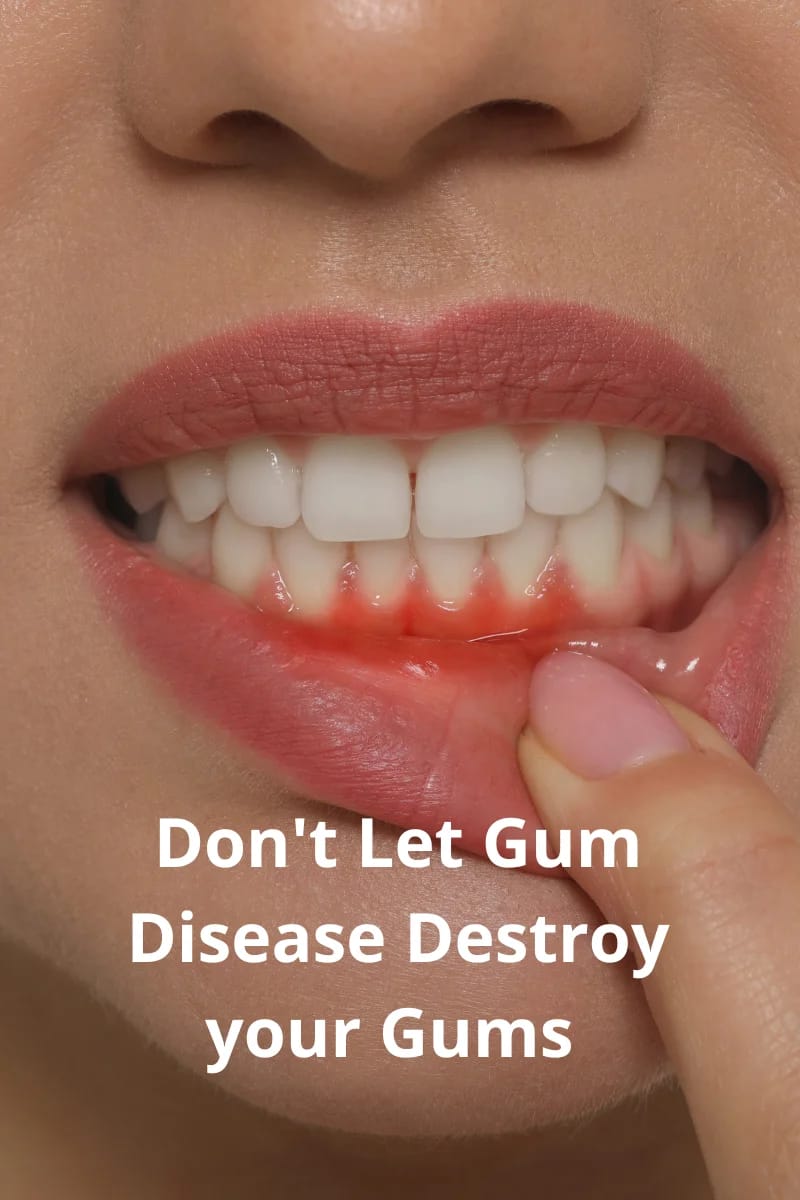
Red or swollen gums
Bleeding when brushing or flossing
Gum tenderness
Not everyone with gingivitis will have noticeable bad breath, and bad breath does not automatically mean you have gum disease.
If your breath remains unpleasant despite consistent oral hygiene, a dental examination can help identify the cause.
What Is Gingivitis?
Gingivitis is an early form of gum disease that causes inflammation of the gingiva, the tissue surrounding the teeth.
It commonly develops when plaque is not removed effectively through daily brushing and cleaning between the teeth.
Common signs include:
Red or swollen gums
Bleeding during brushing or flossing
Tender gum tissue
Persistent bad breath
Changes in the appearance of the gumline
Gingivitis may cause little or no pain, so some people do not realize they have it.
The good news is that gingivitis is often manageable with effective plaque removal and appropriate professional dental care.
However, it should not be ignored. In some cases, untreated gum inflammation can progress to periodontitis, which affects the tissues and bone supporting the teeth.
Why Does Gingivitis Cause Bad Breath?
Several factors can explain the connection between gum inflammation and unpleasant breath.
1. Plaque Buildup
Plaque is a sticky film that forms naturally on teeth throughout the day.
When it accumulates around the gumline, bacteria within the plaque can irritate the gums and contribute to inflammation.
The same bacterial activity may produce compounds that create unpleasant odors.
Brushing twice daily and cleaning between the teeth helps remove plaque before it accumulates excessively.
2. Bacteria Between the Teeth
The spaces between teeth can trap food particles and plaque that are difficult to reach with a toothbrush alone.
When these areas are not cleaned regularly, bacterial buildup can contribute to bad breath and gum irritation.
Flossing or using another suitable interdental cleaning tool once a day can help clean these spaces.
3. Bleeding and Inflamed Gum Tissue
Gingivitis can make gum tissue more likely to bleed during brushing or flossing.
Inflammation and the surrounding oral environment may contribute to unpleasant breath, although bleeding itself does not always cause noticeable odor.
If your gums bleed regularly, focus on gentle, effective plaque removal and arrange a dental appointment if the bleeding continues.
4. Tartar Buildup
When plaque remains on the teeth, it can harden into tartar, also called calculus.
Tartar creates a rough surface where additional plaque may accumulate. It cannot be adequately removed with ordinary brushing alone.
A dental professional can remove tartar during a professional cleaning and help you improve your home-care technique.
5. More Advanced Gum Disease
Although gingivitis affects the gums, more advanced gum disease—called periodontitis—can create deeper spaces around the teeth where bacteria and debris may accumulate.
These areas can contribute to persistent bad breath.
If you have ongoing odor along with gum recession, loose teeth, or other changes around your gums, professional dental evaluation is important.
What Are the Signs That Bad Breath May Be Related to Gingivitis?
Bad breath can have several causes, so it is useful to look for other symptoms that may point toward gum inflammation.
Bleeding Gums
If you notice blood when brushing or flossing, plaque-related gum inflammation may be contributing.
However, bleeding can have other causes, so persistent symptoms should be evaluated.
Red or Swollen Gums
Healthy gums generally should not remain swollen or irritated.
If your gums look redder than usual, appear puffy, or feel tender, consider arranging a dental examination.
A Persistent Unpleasant Taste
Some people with gum problems notice an unpleasant taste in their mouth.
This symptom can also occur with dry mouth, dental infections, or other oral-health conditions.
Bad Breath That Returns Quickly
If unpleasant breath returns soon after brushing, plaque buildup, tongue coating, dry mouth, or gum disease may be involved.
Brushing alone may not address every source of odor, particularly if you are not cleaning between your teeth or your tongue.
Visible Tartar
Hard, yellowish, or brownish deposits near the gumline may be tartar.
A dental professional can confirm whether the deposits are tartar and remove them safely.
Can Bad Breath Be the Only Sign of Gingivitis?
It is possible for someone to notice bad breath without obvious gum symptoms, but bad breath alone cannot confirm gingivitis.
Gingivitis may also cause little or no discomfort, which means visible symptoms can be easy to overlook.
If you have persistent bad breath, consider reviewing your entire oral-care routine:
Are you brushing twice a day?
Are you cleaning between your teeth daily?
Are you gently cleaning your tongue?
Do you experience dry mouth?
Have you noticed gum bleeding or swelling?
Have you had a recent dental examination?
If the problem continues despite good oral hygiene, a dental professional can examine your gums and teeth to determine what may be causing it.
How to Get Rid of Bad Breath Caused by Gingivitis
The most effective approach is to address the underlying cause rather than simply masking the odor.
1. Brush Twice a Day
Brush for two minutes using a soft-bristled toothbrush and fluoride toothpaste.
Pay attention to the gumline, where plaque commonly accumulates.
Use gentle pressure rather than scrubbing aggressively.
2. Floss or Clean Between Your Teeth Daily
Cleaning between the teeth helps remove plaque and trapped food particles that a toothbrush cannot easily reach.
Traditional floss, interdental brushes, or other tools may be appropriate depending on the spaces between your teeth and any dental appliances you use.
If you are unsure which method to choose, ask your dentist or dental hygienist.
3. Clean Your Tongue
The tongue can collect bacteria, debris, and a coating that contributes to bad breath.
Gently clean your tongue with a toothbrush or tongue cleaner as part of your daily routine.
Avoid scraping aggressively, which can irritate the surface.
4. Stay Hydrated
Saliva helps clear food particles and maintain a comfortable oral environment.
Drinking water regularly can help when your mouth feels dry, although it may not address the underlying cause of persistent dry mouth.
If your mouth frequently feels dry, speak with your dentist or healthcare provider.
5. Consider an Appropriate Oral Rinse
An oral rinse can complement brushing and interdental cleaning, depending on its formulation and intended purpose.
For adults who prefer an alcohol-free option, PeriActive Oral Rinse is designed to support gum health as part of a daily oral-care routine.
It should not be used as a replacement for brushing, cleaning between the teeth, or professional care for existing gum problems.
6. Schedule a Professional Dental Cleaning
If tartar has accumulated, brushing and flossing alone will not remove it.
A dental professional can remove hardened deposits, examine your gums, and recommend ways to improve your daily routine.
If gingivitis is present, appropriate professional care and effective plaque control can help manage the inflammation.
Can Mouthwash Help With Bad Breath From Gingivitis?
Mouthwash may help freshen breath, and some formulations are designed to help control plaque or gingivitis.
However, not all mouthwashes have the same ingredients or intended purpose.
A cosmetic rinse may temporarily mask unpleasant odors without addressing the cause. A therapeutic rinse may offer specific benefits depending on its formulation.
For that reason, it is important to choose a rinse based on your oral-health needs rather than its flavor or strength alone.
Mouthwash cannot replace physically removing plaque through brushing and cleaning between the teeth.
If bad breath is related to gum inflammation, a complete routine and appropriate dental care are more useful than relying on rinsing alone.
Is Alcohol-Free Mouthwash a Good Choice for Gum Health?
Some people prefer alcohol-free mouthwash because they find it more comfortable than products with a strong burning sensation.
A comfortable oral-care routine may make it easier to maintain consistent habits.
However, alcohol-free does not automatically mean that a mouthwash treats gingivitis or eliminates bad breath.
Its benefits depend on the complete formulation and intended use.
If you have sensitive gums, ongoing bad breath, or signs of gum disease, ask your dentist which type of rinse is appropriate for you.
How PeriActive Fits Into a Daily Gum-Care Routine
For adults looking for an additional step in daily gum care, PeriActive Oral Rinse is an alcohol-free oral rinse designed to support gum health.
It can complement a routine focused on controlling plaque and maintaining a clean mouth.
A simple routine may look like this:
Morning
Brush your teeth for two minutes.
Clean your tongue gently if needed.
During the day
Drink water regularly.
Be mindful of frequent sugary snacks and drinks.
Evening
Clean between your teeth.
Brush with fluoride toothpaste.
Use an appropriate oral rinse according to its product directions.
Regularly
Visit your dentist for examinations and professional cleaning when recommended.
PeriActive is a supporting part of this routine, not a cure for gingivitis or a substitute for dental treatment.
To learn more about PeriActive Oral Rinse, visit www.getperiactive.com.
How Long Does It Take for Bad Breath From Gingivitis to Improve?
The time it takes for bad breath to improve depends on its cause, the severity of gum inflammation, and the care required.
If plaque buildup is the main contributor, consistent plaque removal and appropriate professional cleaning may help improve the situation.
However, there is no single timeline that applies to everyone.
If bad breath persists despite good oral hygiene, the cause may involve tartar, periodontitis, dry mouth, tooth decay, or another condition.
Do not keep changing mouthwash products indefinitely without seeking advice if the problem continues.
How to Prevent Gingivitis and Bad Breath
Prevention begins with consistent oral hygiene and regular professional care.
Helpful habits include:
Brush twice daily with fluoride toothpaste.
Clean between your teeth every day.
Gently clean your tongue.
Drink water regularly.
Avoid tobacco.
Limit frequent sugary snacks and drinks.
Use an appropriate oral rinse if it suits your needs.
Keep regular dental appointments.
These habits help control plaque and reduce common contributors to gum inflammation and bad breath.
If you have braces, bridges, dental implants, or a history of periodontal disease, ask your dental professional whether you need a more specialized cleaning routine.
When Should You See a Dentist?
Persistent bad breath deserves attention, particularly when it occurs alongside other symptoms.
Arrange a dental appointment if you notice:
Gum bleeding that continues
Red or swollen gums
Persistent bad breath despite good oral hygiene
Gum recession
Tooth pain or sensitivity
Loose teeth
Unpleasant taste that does not improve
Bleeding or swelling around dental implants
A dental professional can check for gingivitis, periodontitis, tooth decay, and other potential causes.
If you develop facial swelling, severe pain, fever with dental symptoms, or difficulty swallowing or breathing, seek urgent medical or dental care.
Final Thoughts
Can gingivitis cause bad breath? Yes, it can. Plaque buildup and bacteria associated with gum inflammation may contribute to unpleasant odors, especially when plaque remains along the gumline and between the teeth.
However, bad breath can have many causes, so it is important not to assume that gingivitis is responsible without considering other possibilities.
Brush twice a day, clean between your teeth daily, gently clean your tongue, and maintain regular dental appointments. If bad breath or gum bleeding continues, seek professional advice to identify the cause.
For adults who want an additional step in their daily routine, PeriActive Oral Rinse offers an alcohol-free option designed to support gum health alongside consistent oral hygiene.
The key is to address the cause of the problem rather than simply masking the smell. With a consistent routine and appropriate dental care, you can work toward healthier gums and fresher breath.

Healthy Gums in 60 Days
Heals gingivitis, bleeding gums, gum disease,
periodontitis, post-surgical wounds, mouth sores
$36(2 month Supply)


See other posts like this one:


Friday, February 24, 2023
What is the best mouthwash for gingivitis? Natural mouthwash to prevent gum disease

Tuesday, February 14, 2023
What are the signs of receding Gums? What are the signs of receding Gums?

Thursday, February 09, 2023
Mouthwash for Gum Health: Rinsing to help prevent and manage Gum disease


Wednesday, February 08, 2023
