Get Ready to
Enjoy PeriActive
Launching Feb 2023
Sign up now to get an alert when the product is available and get a special 10% off!
SiSign up now to get an alert when the product is available and get a special 10% off!

Manage, Heal & Prevent
Gingivitis, Bleeding Gums, Sore Gums, Periodontitis, Post surgical wounds, Mouth Sores and Oral Inflammation
Friday, April 24, 2026
What Causes Dry Mouth and How Does It Affect Gum Health?
Dry mouth is more than just an uncomfortable feeling it can directly impact your gum health and overall oral wellness. Understanding its causes and effects can help you take simple, effective steps to protect your smile. This guide explains everything you need to know and offers practical solutions you can start today.

What Is Dry Mouth?
Dry mouth, also known as xerostomia, occurs when your mouth does not produce enough saliva to stay properly moist. While it might seem like a minor inconvenience at first, saliva plays a crucial role in maintaining oral health. It helps wash away food particles, neutralize acids, and protect teeth and gums from harmful bacteria.
When saliva production decreases, your mouth becomes more vulnerable to irritation, plaque buildup, and gum issues. Many people dismiss dry mouth as temporary, but when it persists, it can lead to more serious oral health concerns especially involving the gums.
Why Saliva Matters for Gum Health
Before diving into the causes of dry mouth, it’s important to understand why saliva is essential. Saliva acts as your mouth’s natural defense system. It helps:
Cleanse the oral environment
Balance bacteria levels
Support tissue healing
Protect gums from inflammation
Without enough saliva, harmful bacteria can multiply more easily along the gumline. This increases the risk of gum irritation, sensitivity, and long-term damage if not addressed early.
Common Causes of Dry Mouth
Dry mouth can develop for many different reasons, and often, it’s caused by a combination of factors rather than a single issue.
1. Medications
One of the most common causes of dry mouth is medication use. Many prescription and over-the-counter drugs list dry mouth as a side effect, including:
Antihistamines
Antidepressants
Blood pressure medications
Pain relievers
These medications can reduce saliva production, leaving your mouth feeling dry and uncomfortable throughout the day.
2. Dehydration
Not drinking enough water can quickly lead to dry mouth. Dehydration reduces your body’s ability to produce saliva, especially in hot climates or after physical activity.
3. Aging
As people get older, they may experience reduced saliva flow. This isn’t always due to aging itself, but often related to increased medication use or underlying health conditions.
4. Lifestyle Habits
Certain daily habits can contribute to dry mouth, such as:
Smoking or tobacco use
Drinking alcohol frequently
High caffeine intake
These habits can dry out the mouth and irritate gum tissues over time.
5. Mouth Breathing
Breathing through your mouth, especially while sleeping, can dry out oral tissues and reduce saliva effectiveness.
6. Medical Conditions
Some health conditions can affect saliva production, including autoimmune disorders and conditions that impact the salivary glands.
Signs and Symptoms of Dry Mouth
Dry mouth doesn’t always feel the same for everyone, but there are common symptoms to watch for:
A sticky or dry feeling in the mouth
Frequent thirst
Cracked lips or dry tongue
Difficulty chewing or swallowing
Bad breath
A burning or tingling sensation
You may also notice your gums becoming more sensitive, red, or prone to bleeding especially during brushing or flossing.
How Dry Mouth Affects Gum Health
Dry mouth and gum health are closely connected. When saliva is limited, your gums lose an important layer of protection. Here’s how dry mouth can affect your gums over time:
Increased Plaque Buildup
Saliva helps wash away food particles and bacteria. Without it, plaque can build up more easily along the gumline. This creates an environment where harmful bacteria thrive.
Gum Irritation and Inflammation
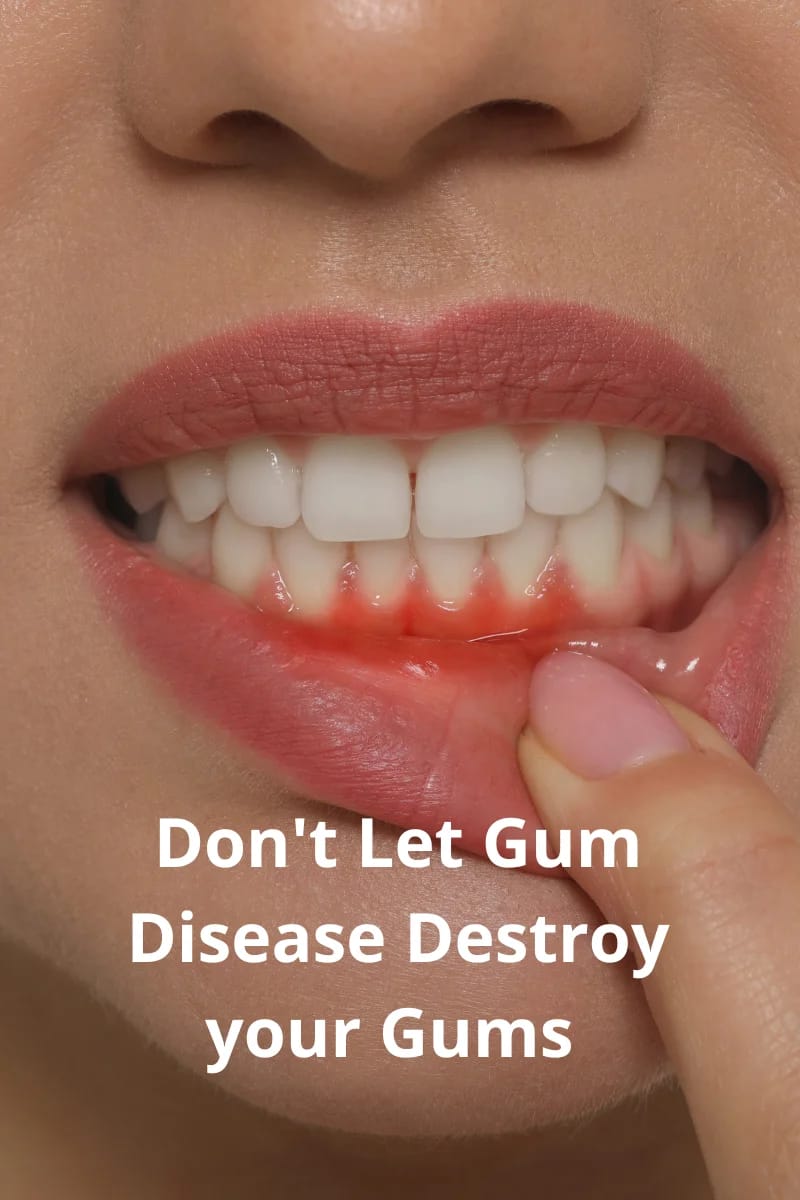
A dry mouth can cause your gum tissues to become irritated. Without proper moisture, gums may appear red, swollen, or tender.
Higher Risk of Gum Disease
If dry mouth persists, it can contribute to the development of gum disease. Early signs may include bleeding gums, while more advanced stages can affect the structures that support your teeth.
Slower Healing
Saliva supports tissue repair. When saliva levels are low, gums may take longer to heal after minor irritation or dental procedures.
Why You Should Not Ignore Dry Mouth
It’s easy to overlook dry mouth, especially if it seems mild. However, ignoring it can lead to a cycle of worsening oral health. When saliva is consistently low:
Bacteria multiply more easily
Gum inflammation increases
Oral discomfort becomes more frequent
The risk of long-term gum problems rises
Addressing dry mouth early can help prevent these issues and support a healthier, more comfortable mouth.
The Connection Between Oral Health and Overall Health
Your oral health is closely linked to your overall well-being. When your gums are irritated or inflamed, it can affect more than just your mouth.
Healthy gums act as a barrier, protecting your body from harmful bacteria. When this barrier is weakened, it may contribute to broader health concerns. While dry mouth itself is not a disease, it can create conditions that make it harder to maintain a balanced and healthy oral environment.
Taking care of your gums isn’t just about your smile it’s part of maintaining your overall health.
Practical Daily Care Tips for Managing Dry Mouth
Managing dry mouth doesn’t have to be complicated. Small daily habits can make a big difference in keeping your mouth comfortable and your gums healthy.
Stay Hydrated
Drink water regularly throughout the day. Sipping water helps keep your mouth moist and supports saliva production.
Maintain a Gentle Oral Care Routine
Brush your teeth at least twice a day using a soft-bristled toothbrush. Be gentle around the gums to avoid irritation.
Don’t Skip Flossing
Flossing removes plaque from areas your toothbrush can’t reach, especially along the gumline.
Limit Drying Substances
Try to reduce intake of alcohol and caffeine, which can contribute to dryness. If you smoke, consider reducing or quitting to support better oral health.
Use Moisture-Supporting Products
Choosing oral care products designed for sensitive or dry mouths can help maintain comfort and support gum health.
Supporting Gum Health with the Right Oral Rinse
Adding a gentle oral rinse to your routine can be especially helpful if you’re dealing with dry mouth and gum sensitivity. Not all rinses are the same some contain alcohol, which may further dry out your mouth.
A more suitable option is an alcohol-free rinse that helps maintain moisture while supporting gum health.
PeriActive Oral Rinse is a dentist-trusted, alcohol-free option designed to support oral comfort and gum health. Its gentle formula helps reduce inflammation and promotes a balanced oral environment without causing additional dryness.
Using a rinse like this as part of your daily routine can complement brushing and flossing, especially if your gums feel sensitive or irritated due to dry mouth.
If you’d like to learn more about how it works and how it fits into a daily routine, you can visit www.getperiactive.com
for additional information.
Building a Consistent Routine
Consistency is key when managing dry mouth and protecting your gums. A simple daily routine might look like this:
Morning: Brush and rinse to start the day fresh
Throughout the day: Stay hydrated and avoid drying habits
Evening: Brush, floss, and use a gentle oral rinse
Over time, these small habits can help maintain a healthier oral environment and reduce discomfort.
When to Seek Professional Advice
If your dry mouth symptoms persist or worsen, it’s a good idea to speak with a dental professional. They can help identify underlying causes and recommend solutions tailored to your needs.
Signs you shouldn’t ignore include:
Persistent dryness despite hydration
Frequent gum bleeding
Ongoing bad breath
Difficulty eating or speaking
Early guidance can help prevent more serious issues and keep your gums in better condition.
Dry mouth is more than just an inconvenience it’s a condition that can significantly affect your gum health if left unmanaged. By understanding its causes and recognizing the symptoms early, you can take proactive steps to protect your oral health.
Simple changes, like staying hydrated, maintaining a gentle oral care routine, and using supportive products like PeriActive Oral Rinse, can make a noticeable difference over time.
Your gums play an essential role in your overall health, and taking care of them starts with addressing the small signs like dry mouth before they become bigger concerns.

Healthy Gums in 60 Days
Heals gingivitis, bleeding gums, gum disease,
periodontitis, post-surgical wounds, mouth sores
$36(2 month Supply)


See other posts like this one:


Friday, February 24, 2023
What is the best mouthwash for gingivitis? Natural mouthwash to prevent gum disease

Tuesday, February 14, 2023
What are the signs of receding Gums? What are the signs of receding Gums?

Thursday, February 09, 2023
Mouthwash for Gum Health: Rinsing to help prevent and manage Gum disease


Wednesday, February 08, 2023
