Get Ready to
Enjoy PeriActive
Launching Feb 2023
Sign up now to get an alert when the product is available and get a special 10% off!
SiSign up now to get an alert when the product is available and get a special 10% off!

Manage, Heal & Prevent
Gingivitis, Bleeding Gums, Sore Gums, Periodontitis, Post surgical wounds, Mouth Sores and Oral Inflammation
Wednesday, April 12, 2023
Post Surgical Care for Your Gums
Post-surgical care for your gums is an essential part of the healing process. After any gum surgery, your gums will be vulnerable and sensitive, and it is crucial to follow proper aftercare instructions to prevent infection, reduce pain and swelling, and promote quick healing. Here are some tips on how to take care of your gums post-surgery:

Follow your dentist's instructions
Your dentist will provide you with specific aftercare instructions that are tailored to your specific surgery. It is crucial to follow these instructions carefully and ask any questions you may have. These instructions may include how to care for the surgical site, what foods to avoid, and any medication you may need to take.
Manage pain and swelling
After gum surgery, it is common to experience some pain and swelling. To manage the pain and swelling, you can take over-the-counter pain relievers like ibuprofen or acetaminophen, as prescribed by your dentist. Applying an ice pack to your cheek near the surgical site for 15-20 minutes at a time can also help reduce swelling.
Read More: Best Alternative to Chlorhexidine Mouthwash
Take care of your diet
Your diet is essential in the healing process of your gums. For the first few days after surgery, stick to soft foods that are easy to chew and swallow. Avoid hard, crunchy, or sticky foods that can irritate the surgical site or dislodge any stitches. Eat a healthy, well-balanced diet to promote healing.
Avoid smoking and alcohol
Smoking and alcohol can delay the healing process and increase the risk of infection. Avoid smoking or using any tobacco products for at least 24 hours after surgery, and try to avoid alcohol for the first few days after surgery.
Maintain good oral hygiene
While it may be tempting to avoid brushing or flossing near the surgical site, it is essential to maintain good oral hygiene to prevent infection. Brush and floss gently and PeriActive Mouthwash around the surgical site, using a soft-bristled toothbrush and non-alcoholic mouthwash. Avoid using an electric toothbrush or mouthwash containing alcohol, as this can irritate the surgical site.
Rinse with PeriActive Mouthwash
Rinsing with PeriActive Mouthwash can help reduce swelling and promote healing. We recommend rinsing a few times a day after surgery. PeriActive is healing as well as soothing so feel free to rinse as needed. PeriActive is safe to use long term and we recommend to use PeriActive everyday even after your mouth has healed to keep your gums healthy.
Rest and relax
It is essential to rest and relax after gum surgery to allow your body to heal. Avoid any strenuous activity or exercise for at least 24 hours after surgery, and try to get plenty of rest for the first few days after surgery.
Attend follow-up appointments
Your dentist will likely schedule a follow-up appointment to monitor your healing progress and remove any stitches if necessary. Attend these appointments and follow any additional aftercare instructions your dentist may provide.
In conclusion, taking care of your gums post-surgery is critical to promote healing and prevent infection. Follow your dentist's aftercare instructions carefully, manage pain and swelling, maintain good oral hygiene, rinse with PeriActive mouthwash, rest and relax, and attend follow-up appointments. With proper aftercare, you can expect a smooth and successful recovery after gum surgery.
Try PeriActive Risk Free https://www.getperiactive.com/

Healthy Gums in 60 Days
Heals gingivitis, bleeding gums, gum disease,
periodontitis, post-surgical wounds, mouth sores
$36(2 month Supply)


See other posts like this one:

Tuesday, October 27, 2026
Is Bleeding When Flossing Normal? Causes, Prevention, and When to See a Dentist

Monday, October 26, 2026
What Should You Look for in a Gum Health Rinse? A Guide to Choosing the Right Oral Rinse

Friday, October 23, 2026
Why Can't I Get Rid of Bad Breath? Common Causes and How to Find Lasting Relief
Thursday, October 22, 2026
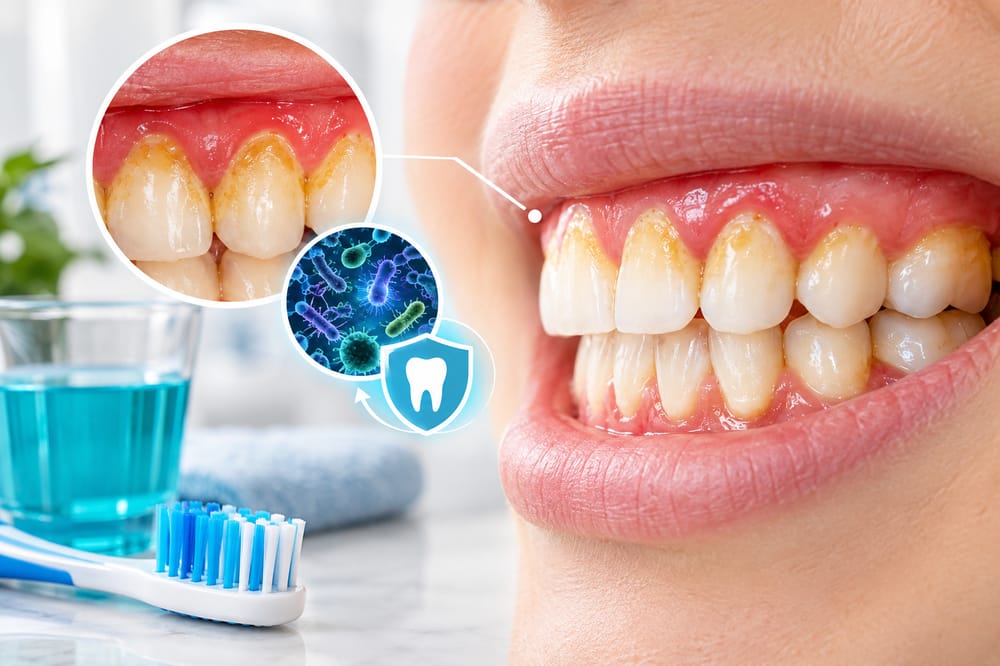
How Does Plaque Affect Your Gums? Causes, Warning Signs, and Prevention

Wednesday, October 21, 2026
What Are the Early Signs of Gingivitis? Symptoms, Causes, and Prevention


Monday, October 19, 2026


