Get Ready to
Enjoy PeriActive
Launching Feb 2023
Sign up now to get an alert when the product is available and get a special 10% off!
SiSign up now to get an alert when the product is available and get a special 10% off!

Manage, Heal & Prevent
Gingivitis, Bleeding Gums, Sore Gums, Periodontitis, Post surgical wounds, Mouth Sores and Oral Inflammation
Monday, November 16, 2026
Can Mouthwash Help With Gum Inflammation? Benefits, Causes & Care Tips
Red, swollen, or bleeding gums can be signs of inflammation that should not be ignored. While mouthwash may help support gum health and complement your daily oral hygiene routine, it is important to understand what causes gum inflammation and how to address it properly. Discover how mouthwash works, which ingredients to look for, and practical ways to maintain healthier gums.

Can Mouthwash Help With Gum Inflammation?
Have you noticed that your gums look red, feel swollen, or bleed when you brush or floss? Gum inflammation is a common oral health concern that can make everyday activities uncomfortable. Even something as simple as eating, drinking, or brushing your teeth may become unpleasant when your gums are irritated.
One question many people ask is whether mouthwash can help with gum inflammation.
The answer is yes, certain mouthwashes can support gum health by helping manage oral bacteria, freshen breath, and complement regular brushing and flossing. However, not all mouthwashes work the same way, and using an oral rinse alone may not be enough to address the underlying cause of inflamed gums.
In many cases, gum inflammation develops because plaque accumulates around the teeth and gumline. Without proper cleaning, this bacterial buildup can irritate the surrounding tissues and contribute to gingivitis, an early form of gum disease.
Understanding what causes inflammation and choosing the right oral care habits can help you maintain healthier gums.
In this guide, we will explain how mouthwash may help with gum inflammation, common symptoms to watch for, ingredients to consider, and practical ways to improve your daily oral hygiene routine.
What Is Gum Inflammation?
Gum inflammation occurs when the soft tissues surrounding your teeth become irritated and swollen.
Healthy gums generally appear firm and pink, although their natural color can vary depending on individual characteristics. When inflammation develops, the affected area may become redder, swollen, tender, or more sensitive than usual.
One of the most common causes is plaque buildup.
Plaque is a sticky film containing bacteria that naturally forms on the surfaces of your teeth. When it is not removed regularly through brushing and cleaning between teeth, it can accumulate along the gumline.
The bacteria in plaque can irritate gum tissue, triggering an inflammatory response.
This condition is often associated with gingivitis, the earliest stage of gum disease.
The good news is that plaque-related gingivitis can often be improved with proper oral hygiene and professional dental care. However, if inflammation is ignored, it may progress to a more serious condition called periodontitis.
This is why recognizing early symptoms and maintaining consistent gum care are important.
Can Mouthwash Help Reduce Gum Inflammation?
Mouthwash can be a helpful addition to an oral hygiene routine, particularly when it contains ingredients formulated to support gum health.
Depending on its formulation, an oral rinse may help reduce certain oral bacteria, support plaque control, and provide additional cleaning in areas that are difficult to reach through brushing alone.
Some mouthwashes are also designed to help manage gingivitis when used as directed.
However, it is important to understand that mouthwash works best as a complement to proper brushing, flossing, and professional dental care.
It cannot physically remove all plaque deposits, eliminate hardened tartar, or treat advanced periodontal disease.
If your gums are inflamed because of plaque accumulation, addressing the buildup is essential.
A suitable mouthwash may support your efforts, but the most effective approach involves identifying the cause of inflammation and following a consistent oral care routine.
7 Common Causes of Gum Inflammation
Before choosing a mouthwash, it helps to understand why your gums may be inflamed in the first place.
Several factors can contribute to gum irritation and swelling.
1. Plaque Buildup Along the Gumline
Plaque is one of the leading contributors to gum inflammation.
It forms continuously as bacteria combine with saliva and food debris inside your mouth.
When plaque remains around the gumline, the bacteria can irritate the surrounding tissue.
Over time, this may cause redness, swelling, tenderness, and bleeding during brushing or flossing.
Daily brushing and interdental cleaning help remove plaque before it causes more significant irritation.
2. Inconsistent Brushing and Flossing
Skipping brushing sessions or avoiding flossing can allow plaque and food particles to accumulate.
Even people who brush regularly may miss areas between their teeth or along the gumline.
These overlooked spaces can become places where bacteria collect.
A complete oral hygiene routine should include brushing twice daily, cleaning between teeth once a day, and gently cleaning the tongue.
3. Gingivitis
Gingivitis is an early form of gum disease that develops when plaque irritates the gum tissue.
Common signs include red gums, swelling, tenderness, and bleeding when brushing or flossing.
Some people may also notice persistent bad breath.
Gingivitis is generally reversible with appropriate care, including effective plaque removal and professional dental evaluation when needed.
If left untreated, it can progress to periodontitis in some individuals.
4. Smoking and Tobacco Use
Smoking and tobacco use can negatively affect gum health.
Tobacco may interfere with normal gum tissue function and healing while increasing the risk of periodontal disease.
It can also contribute to unpleasant breath and make maintaining a healthy oral environment more challenging.
Reducing or quitting tobacco use can support better oral health.
5. Hormonal Changes
Hormonal fluctuations can make gum tissue more sensitive to plaque.
Some people experience increased gum tenderness or swelling during pregnancy, menstruation, or other periods of hormonal change.
This does not mean inflammation should automatically be considered harmless.
Maintaining proper oral hygiene and consulting a dentist about persistent symptoms remain important.
6. Dry Mouth
Saliva helps wash away food particles, neutralize acids, and maintain balance within the mouth.
When saliva production decreases, bacteria and debris may accumulate more easily.
Dry mouth can be associated with dehydration, certain medications, mouth breathing, and some medical conditions.
People with dry mouth may experience discomfort, unpleasant breath, and increased difficulty maintaining oral cleanliness.
Drinking water regularly and discussing persistent dryness with a healthcare professional can help.
7. Poorly Fitting Dental Appliances or Irritation
Braces, dentures, retainers, and other dental appliances may sometimes irritate the surrounding gum tissue.
If an appliance does not fit properly, it can create pressure or friction that contributes to discomfort and inflammation.
Food and plaque may also accumulate around dental appliances when cleaning is difficult.
A dentist can check the fit and recommend appropriate cleaning methods.
Signs That Your Gums May Be Inflamed
Gum inflammation does not always cause severe discomfort. In fact, some people notice changes only when brushing or flossing.
Here are common symptoms to watch for:
Red or darker-looking gums: Inflamed gums may appear redder than their usual color, depending on your natural gum pigmentation.
Swelling: The gum tissue may look puffy or enlarged, especially around the base of the teeth.
Bleeding during brushing or flossing: Bleeding can be a sign of gum inflammation, particularly when plaque has accumulated.
Tenderness or sensitivity: Your gums may feel uncomfortable when touched or while eating.
Persistent bad breath: Bacteria associated with plaque buildup and gum disease can contribute to unpleasant breath.
Changes in gum appearance: In more advanced gum disease, you may notice gum recession or spaces developing between your teeth and gums.
If these symptoms persist, schedule a dental examination to determine the cause.
What Should You Look for in a Mouthwash for Gum Inflammation?
Choosing a mouthwash can be confusing because different products are formulated for different purposes.
Some focus primarily on freshening breath, while others contain ingredients intended to help manage plaque or gingivitis.
If your goal is to support healthier gums, consider the following factors.
1. Alcohol-Free Formulation
Alcohol-free mouthwash may be a suitable option for people who experience dryness, irritation, or an uncomfortable burning sensation with certain traditional mouthwashes.
An alcohol-free formulation can provide a gentler-feeling rinsing experience.
However, alcohol-free does not automatically mean that a product is more effective. The overall formulation and active ingredients matter.
2. Ingredients That Support Gum Health
Look for mouthwashes that clearly explain their intended benefits and ingredients.
Some formulations contain ingredients designed to help reduce oral bacteria and manage plaque-associated gingivitis.
For example, cetylpyridinium chloride and essential oil formulations are used in certain therapeutic mouthwashes.
Chlorhexidine is another ingredient that may be prescribed by dentists for specific gum concerns, generally for limited periods because it can cause side effects such as tooth staining and changes in taste.
Always follow the product instructions and your dentist's recommendations.
3. A Comfortable Daily Rinse
A mouthwash should be comfortable enough to use as directed.
If you have sensitive gums or dislike strong burning sensations, you may prefer a gentler, alcohol-free option.
Pay attention to how your mouth feels after rinsing.
If a product consistently causes irritation, discontinue use and ask your dentist about alternatives.
4. Clear Purpose and Product Information
Choose a mouthwash that clearly identifies its intended use.
If you are concerned about gum inflammation, look for products specifically formulated to support gum health rather than relying only on strong mint flavors or temporary freshness.
Remember that product claims should not replace professional dental advice.
8 Practical Ways to Reduce Gum Inflammation at Home
Along with choosing an appropriate mouthwash, several everyday habits can help support healthier gum tissue.
1. Brush Gently Twice a Day
Brush your teeth for two minutes in the morning and before bedtime.
Use a soft-bristled toothbrush and fluoride toothpaste.
Position the toothbrush at a slight angle toward the gumline and use gentle circular movements.
Avoid brushing aggressively because excessive pressure can irritate gum tissue and contribute to gum recession.
2. Floss Every Day
Brushing alone cannot effectively clean every surface between your teeth.
Use dental floss or an appropriate interdental cleaning tool once a day to remove plaque and trapped food particles.
Guide the floss gently around each tooth rather than snapping it against your gums.
If your gums bleed frequently, do not ignore the symptom. Persistent bleeding should be evaluated by a dentist.
3. Use an Appropriate Mouthwash
A suitable oral rinse can complement brushing and flossing.
Depending on its formulation, it may provide additional support for plaque control, gum health, and breath freshness.
Choose a product that matches your needs and follow its directions.
Avoid using mouthwash as a substitute for physically removing plaque.
4. Drink Enough Water
Staying hydrated helps support normal saliva production.
Saliva helps keep your mouth comfortable and naturally washes away food particles.
Drink water regularly, especially when your mouth feels dry.
5. Avoid Tobacco Products
Smoking and tobacco use can contribute to gum problems and interfere with healthy oral tissue.
Reducing or quitting tobacco use can be beneficial for your gums and overall health.
6. Maintain a Balanced Diet
Your diet plays a role in maintaining healthy teeth and gums.
Include fruits, vegetables, whole grains, and nutrient-rich foods in your meals.
Limit frequent consumption of sugary snacks and drinks, which can contribute to plaque-related dental problems.
7. Do Not Ignore Bleeding Gums
Bleeding gums are not something you should automatically accept as normal.
Although improper flossing or brushing can cause irritation, recurring bleeding may indicate gingivitis or another dental concern.
Pay attention to accompanying symptoms such as redness, swelling, tenderness, and persistent bad breath.
8. Visit Your Dentist Regularly
Professional dental examinations help identify gum problems before they become more serious.
Your dentist can evaluate your gum tissue, measure periodontal pockets when appropriate, and recommend professional cleaning or treatment.
Hardened tartar cannot be removed through ordinary brushing or mouthwash alone.
How PeriActive Oral Rinse Can Support Your Gum Care Routine
When dealing with gum inflammation, choosing an oral rinse that complements your daily oral hygiene habits can be an important consideration.
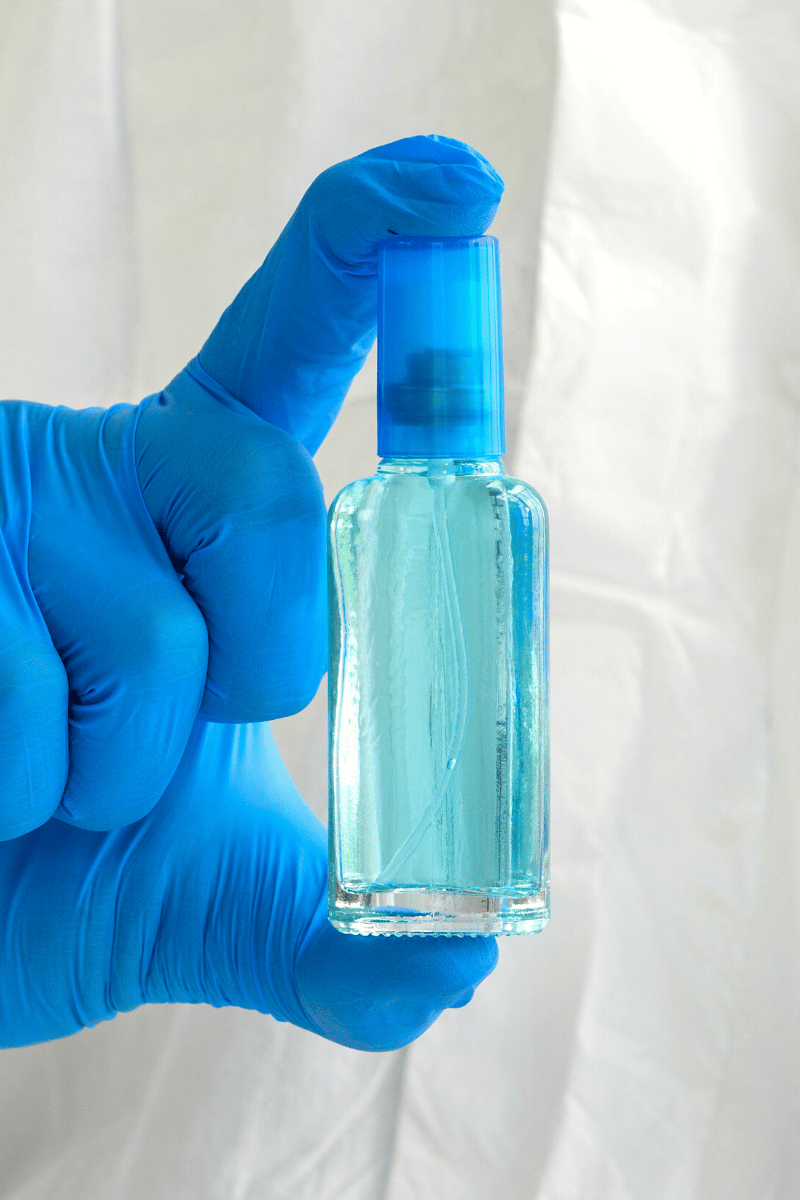
PeriActive Oral Rinse offers a gentle, alcohol-free, dentist-trusted option designed to support everyday gum care.
Powered by botanicals, its formulation is designed to help reduce bleeding and inflammation while supporting gum health.
Its alcohol-free formulation may also appeal to people who prefer a gentler-feeling oral rinse as part of their daily routine.
Why does this matter?
Gum health involves more than simply keeping your breath fresh. Maintaining a clean oral environment and managing plaque buildup are important parts of caring for the tissues that support your teeth.
PeriActive can complement a consistent routine that includes brushing twice daily, flossing every day, and regular dental examinations.
It is important to remember that an oral rinse is not a replacement for professional dental treatment. If you have persistent gum swelling, significant bleeding, or signs of advanced gum disease, consult your dentist to determine the appropriate treatment.
To learn more about PeriActive Oral Rinse and its approach to everyday gum care, visit www.getperiactive.com.
Can Mouthwash Cure Gingivitis?
Mouthwash may help manage plaque and gingivitis when it contains appropriate ingredients and is used as directed.
However, mouthwash alone should not be considered a cure for gum disease.
Gingivitis develops when plaque irritates the gum tissue. Removing plaque through proper brushing, interdental cleaning, and professional dental care is essential.
Some therapeutic mouthwashes may provide additional support, but they cannot remove hardened tartar.
If gingivitis is already present, your dentist may recommend a professional cleaning and improvements to your home oral hygiene routine.
More advanced gum disease may require specialized periodontal treatment.
The important takeaway is that mouthwash can be part of the solution, but it should not be the only step you take.
When Should You See a Dentist for Inflamed Gums?
Mild gum irritation may improve when you correct your brushing technique and maintain consistent oral hygiene.
However, persistent or worsening inflammation deserves professional attention.
Schedule a dental appointment if you experience recurring bleeding, swollen or tender gums, persistent bad breath, or changes in the appearance of your gumline.
You should also seek dental care if your gums begin pulling away from your teeth or if you notice loose teeth.
Severe pain, pus around the gums, facial swelling, or fever requires prompt assessment.
A dentist can determine whether your symptoms are related to gingivitis, periodontitis, an infection, irritation, or another condition.
Early evaluation can help prevent minor concerns from developing into more serious oral health problems.
Frequently Asked Questions About Mouthwash and Gum Inflammation
Can mouthwash reduce swollen gums?
Certain mouthwashes may help support gum health and manage plaque-related inflammation, depending on their ingredients. However, persistent swelling should be evaluated by a dentist.
How often should I use mouthwash for gum inflammation?
Follow the directions on your chosen product. Some mouthwashes are designed for daily use, while therapeutic rinses may have specific instructions and treatment periods.
Is alcohol-free mouthwash better for inflamed gums?
Alcohol-free mouthwash may be more comfortable for people who experience dryness or irritation with alcohol-containing products. However, effectiveness depends on the formulation and ingredients.
Can mouthwash stop gums from bleeding?
Some therapeutic mouthwashes may help manage plaque-associated gingivitis, which can contribute to bleeding. However, bleeding gums need proper evaluation and plaque removal rather than relying on mouthwash alone.
How long does gum inflammation take to improve?
Mild plaque-related gingivitis may improve within days to a couple of weeks with effective oral hygiene and professional cleaning when needed. More advanced gum problems may require longer-term treatment.
Should I use mouthwash before or after brushing?
Either order may be appropriate depending on the product and its instructions. Some mouthwashes are best used at a different time from brushing, especially when you want to avoid rinsing away fluoride from toothpaste immediately after brushing.
Can I use mouthwash every day?
Many mouthwashes are formulated for daily use. However, some therapeutic products should only be used for a limited period. Always follow the label and your dentist's guidance.
Final Thoughts: Healthy Gums Start With Consistent Daily Care
Gum inflammation can be uncomfortable, but understanding its causes is the first step toward managing it.
Plaque buildup, inconsistent brushing and flossing, dry mouth, and gum disease are among the common factors that contribute to red, swollen, or bleeding gums.
So, can mouthwash help with gum inflammation?
Yes, the right mouthwash can complement your oral hygiene routine and provide additional support for gum health. However, lasting improvement depends on addressing the underlying cause through proper cleaning habits and professional dental care when necessary.
Brush gently twice daily, floss consistently, stay hydrated, and choose an oral rinse that fits your needs.
A gentle, alcohol-free option such as PeriActive Oral Rinse can be incorporated into your everyday gum care routine.
For more information, visit www.getperiactive.com.
Remember: A healthier smile begins with healthier gums. Give your gums the attention they deserve through consistent care, informed choices, and regular dental checkups.

Healthy Gums in 60 Days
Heals gingivitis, bleeding gums, gum disease,
periodontitis, post-surgical wounds, mouth sores
$36(2 month Supply)


See other posts like this one:

Friday, February 23, 2024